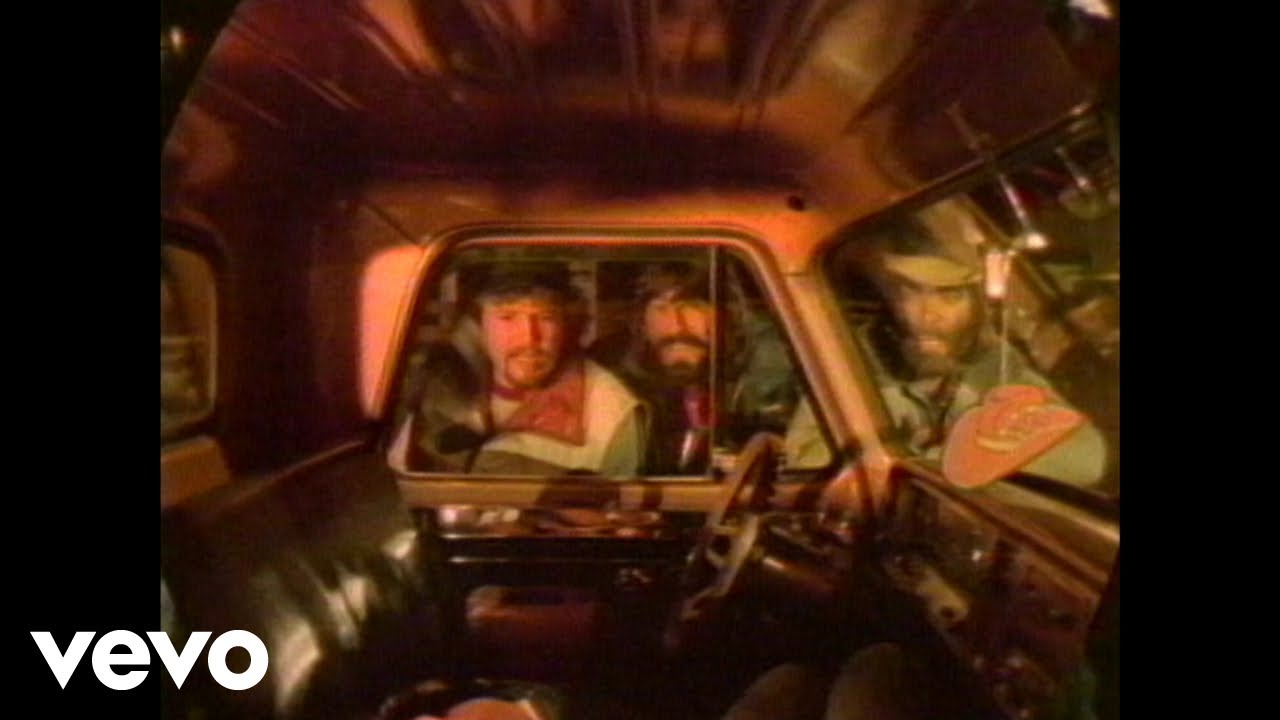
Alabama’s “Dixieland Delight”: A Deep Dive into a Timeless Classic
When it comes to country music, few bands have made as lasting an impact as Alabama. With a career spanning over five decades, this iconic group has been responsible for some of the most beloved and enduring songs in the genre. Among their extensive catalog, one song stands out for its unique blend of storytelling, catchy melody, and cultural significance: “Dixieland Delight.” Released in 1983, “Dixieland Delight” not only topped the charts but also cemented Alabama’s status as country music legends. This song’s influence extends beyond its commercial success, representing a pivotal moment in the evolution of country music and leaving an indelible mark on the genre. In this article, we will delve into the world of “Dixieland Delight,” exploring its historical context, musical composition, lyrical themes, and the lasting legacy it has etched in the hearts of music lovers worldwide.
Alabama: A Cornerstone of Music History
Alabama’s journey to stardom began in the late 1960s when three cousins, Randy Owen, Teddy Gentry, and Jeff Cook, came together to form a band. Initially known as Wildcountry, they later changed their name to Alabama, reflecting their roots and pride in their home state. Over the years, the band’s unique sound, which blended traditional country with elements of rock and pop, captivated audiences and helped define the country-rock genre. With the addition of Mark Herndon on drums in 1979, Alabama’s lineup was complete, and they were ready to take the world by storm. Their influence on country music cannot be overstated, as they paved the way for future generations of country artists and bands, proving that country music could be both rootsy and commercially viable on a large scale.
Throughout their career, Alabama has been recognized with numerous awards and accolades, including multiple Grammy nominations, several Country Music Association Awards, and induction into the Country Music Hall of Fame. Their contribution to music extends beyond their own discography, as they have inspired a wide range of artists, from country legends to rock and pop musicians, who have covered their songs or cited them as an influence. This broad appeal is a testament to the universal language of music and Alabama’s ability to craft songs that transcend genres and generations.
The Origin and Composition of “Dixieland Delight”
“Dixieland Delight” was written by Ronnie Rogers, a songwriter from Fort Payne, Alabama, who drew inspiration from his own life experiences and observations of the world around him. The song tells the story of a man’s romantic escapades in the South, with the narrator reflecting on his past loves and the memories that linger. The title itself, “Dixieland Delight,” refers to the joys and charms of the Southern United States, encapsulating the essence of Southern culture and the warmth of its people.
The composition of “Dixieland Delight” is noteworthy for its catchy, upbeat melody and its use of storytelling, a hallmark of country music. The song’s narrative is woven together with vivid imagery and relatable characters, making it easy for listeners to immerse themselves in the story. The songwriting process for “Dixieland Delight” was a collaborative effort, with Rogers working closely with Alabama to ensure the song fit their style and sound. This partnership resulted in a song that not only resonated with Alabama’s fan base but also appealed to a broader audience, crossing genre lines and becoming a staple of 80s country music.
In the Studio: Recording and Production
The recording of “Dixieland Delight” took place in 1983 at the famed Sound Stage Studios in Nashville, Tennessee, under the production guidance of Harold Shedd and the band itself. The production quality of the song is characterized by its crisp, clear sound, which was a hallmark of Alabama’s recordings during this period. The band’s use of a combination of traditional country instruments, such as the fiddle and pedal steel guitar, alongside more contemporary elements like synthesizers, gave “Dixieland Delight” a distinctive and modern sound that stood out on country radio.
Randy Owen’s vocal delivery on “Dixieland Delight” is particularly noteworthy, bringing a sense of authenticity and warmth to the song’s narrative. His ability to convey emotion through his voice, coupled with the band’s tight harmonies, added depth and complexity to the track. The vocal arrangements were carefully crafted to highlight the story’s emotional peaks and valleys, drawing the listener into the world of the song. This meticulous attention to detail in both the recording and production phases of “Dixieland Delight” contributed significantly to its success and enduring popularity.
Lyrical and Thematic Analysis
The lyrics of “Dixieland Delight” offer a glimpse into a bygone era, painting a picture of Southern life, love, and longing. The song’s narrative is filled with references to the beauty of the South, from the magnolias to the Mississippi River, evoking a sense of place and regional pride. At its core, “Dixieland Delight” is a love song, but it’s also a tribute to the South and its people, capturing the essence of a region steeped in history and tradition.
The themes explored in “Dixieland Delight” are timeless, dealing with love, loss, and the passage of time. The song’s protagonist looks back on past loves and experiences, reflecting on the delights and disappointments of life. This introspective tone gives the song a universal appeal, as listeners can relate to the emotions and memories that the narrator is recalling. The lyrics are also notable for their storytelling quality, a trait that has always been central to country music. By weaving a compelling narrative, “Dixieland Delight” draws the listener in, making the song feel both personal and accessible.
Musical Structure and Emotional Resonance
Musically, “Dixieland Delight” is structured around a memorable melody that sticks in the listener’s head long after the song has ended. The use of a simple, repetitive melody line allows the listener to focus on the story being told, while the chorus provides a catchy, sing-along moment that has become iconic in country music. The harmony and rhythm sections of the song are equally well-crafted, with the band’s vocal harmonies adding a rich, layered sound to the track.
The emotional resonance of “Dixieland Delight” stems from its ability to evoke a sense of nostalgia and longing in the listener. The song’s themes of love, memory, and the passage of time are universal, touching on emotions that listeners can easily relate to. The song’s upbeat, energetic tempo belies a deeper emotional complexity, making “Dixieland Delight” a song that can be enjoyed on multiple levels. Whether listened to as a fun, catchy tune or a poignant reflection on life and love, “Dixieland Delight” has something to offer every listener.
Chart Performance and Global Reception
“Dixieland Delight” was a massive commercial success, reaching the top of the Billboard Hot Country Songs chart in 1983. The song’s popularity was not limited to the United States, as it also gained significant airplay and recognition internationally, introducing Alabama to a global audience. The song’s chart performance was a testament to the band’s broad appeal and the quality of their music, which transcended geographical and cultural boundaries.
The global reception of “Dixieland Delight” was overwhelmingly positive, with the song receiving praise from critics and fans alike. The song’s unique blend of country, rock, and pop elements made it accessible to a wide range of listeners, contributing to its crossover success. “Dixieland Delight” has been certified platinum by the RIAA, recognizing its sales of over one million copies in the United States alone. This level of success is a rare achievement for any song, underscoring the impact and popularity of “Dixieland Delight” in the music world.
Cultural Legacy and Enduring Impact
The cultural legacy of “Dixieland Delight” is profound, with the song becoming an anthem for the South and a symbol of regional pride. The song’s influence can be heard in the work of subsequent country and rock artists, who have covered or referenced “Dixieland Delight” in their own music. The song’s impact extends beyond the music world, as well, with “Dixieland Delight” becoming a part of the cultural fabric of the South, evoking memories and emotions in those who hear it.
Alabama’s “Dixieland Delight” has endured as a classic of country music, a song that continues to be played and enjoyed by new generations of music fans. The song’s timeless themes and memorable melody have ensured its place in the pantheon of country music’s greatest songs, alongside other classics of the genre. As a testament to the power of music to transcend time and culture, “Dixieland Delight” remains a beloved and iconic song, its influence and popularity showing no signs of fading.
Conclusion: Why “Dixieland Delight” Still Matters Today
In conclusion, “Dixieland Delight” is more than just a song – it’s a cultural touchstone, a reflection of the South and its people, and a testament to the enduring power of music. The song’s impact on country music and beyond is undeniable, with “Dixieland Delight” influencing a wide range of artists and genres. As a work of art, “Dixieland Delight” continues to resonate with listeners, its themes of love, memory, and the passage of time remaining as relevant today as they were when the song was first released.
Alabama’s “Dixieland Delight” is a song that has stood the test of time, a true classic of country music that continues to delight audiences with its catchy melody, memorable lyrics, and timeless themes. As a cultural artifact, “Dixieland Delight” offers a glimpse into the past, a window into the world of the 1980s and the South during that era. As a work of music, it remains a powerful and enduring expression of the human experience, a song that will continue to be enjoyed and celebrated by music lovers for generations to come.
—