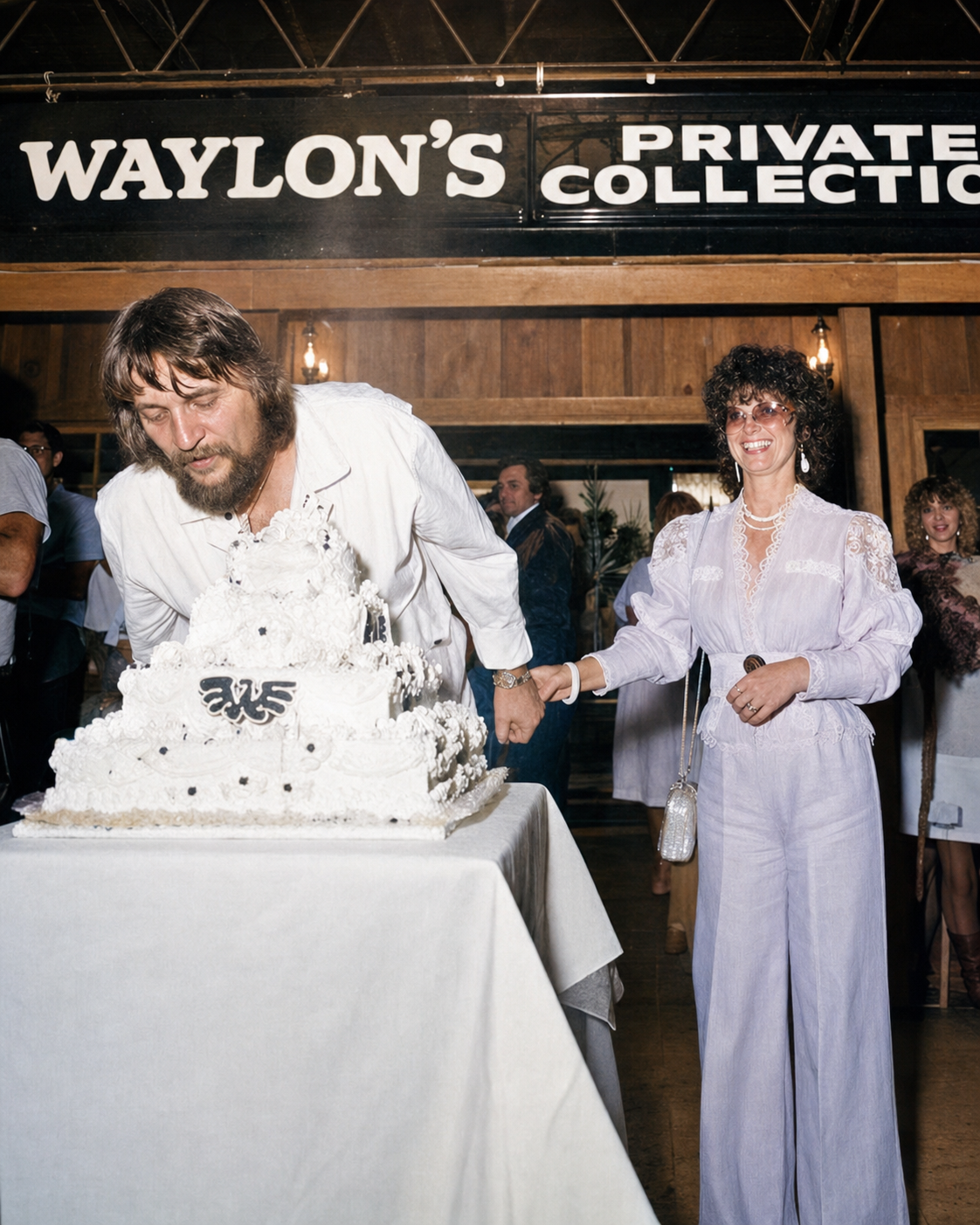
I HAD AS MUCH STAR QUALITY AS AN OLD SHOE
In the late 1950s, the world of music was undergoing a seismic shift, yet few could have predicted the profound impact that one young DJ from Lubbock, Texas, would have on the genre of country music. Waylon Jennings, then just 21 years old, was still grappling with his identity as an artist, a far cry from the outlaw country legend he would later become. With cotton dust under his fingernails and self-doubt in his heart, Waylon was on the brink of an encounter that would change his life forever.
A Meeting of Musical Minds
Enter Buddy Holly—a 22-year-old rock-and-roll prodigy whose brilliance shone brightly even in an era dominated by burgeoning rock sounds. Holly was not just a visionary; he was a connoisseur of talent, capable of discerning potential in others long before they could see it in themselves. When Buddy Holly first crossed paths with Waylon Jennings, he recognized something special in the young DJ: a deep voice, a raw instinct, and a spirit that demanded to be expressed.
In a moment that would become pivotal in both their careers, Holly chose to invest in Waylon Jennings, taking him under his wing as his very first solo artist project. Holly understood that Waylon needed more than just encouragement; he required mentorship. He gifted him new clothes, coached him on performance techniques, and instilled in him the confidence to embrace his artistry. This mentorship culminated in the production of Waylon’s first single, “Jole Blon,” a moment that marked the beginning of Jennings’ journey into the music industry.
The Winter Dance Party Tour
In early 1959, Holly’s faith in Jennings reached new heights when he hired Waylon to play bass for the Winter Dance Party Tour. Despite the fact that Waylon had limited experience with the instrument, Buddy saw promise and was determined to give him a platform. This was more than a job; it was an open door into the world of music—a world filled with late nights, packed venues, and the unrelenting pursuit of artistic expression.
For Waylon, joining the tour was a dream come true, albeit one that came with its own set of insecurities. He was still learning the ropes, both musically and personally. Yet, Buddy Holly believed in him, treating him as an equal in the burgeoning scene of rock and roll. The camaraderie between them was palpable, and for Waylon, it felt like standing on the precipice of a future he had yet to fully imagine.
The Tragic Turn of Events
However, just weeks into the tour, tragedy struck. Buddy Holly died in a plane crash at the young age of 22, leaving behind a legacy of music and an indelible mark on those who loved him. Waylon Jennings, now just 21, faced an unfathomable loss. The man who had first believed in him had vanished almost overnight, leaving a silence that resonated deeply within Waylon’s heart.
In the wake of Holly’s passing, Jennings found himself at a crossroads. Stricken by grief, he didn’t record another song for two years, retreating to Lubbock and returning to the radio booth. The vibrant world of music he had just begun to explore seemed to fade away, replaced by a profound sense of loss. Yet, in his heart, Waylon carried the memory of Buddy Holly, a beacon of hope that would eventually guide him back to music.
Legacy and Remembrance
Waylon’s tribute to Buddy Holly extended beyond music; he named one of his sons Buddy, a poignant reminder of the impact Holly had on his life. This choice was not merely a sentimental gesture; it was a way of keeping the spirit of his mentor alive within his family, a testament to the bond they had shared. Waylon himself would go on to become a defining figure in country music, yet he never forgot the first person who believed in him.
Two decades later, on Waylon Jennings’ 42nd birthday, a remarkable event took place that would leave him speechless. Buddy Holly’s old bandmates arrived bearing a gift that encapsulated the essence of their friendship—a piece of Buddy himself. Imagine Waylon standing in that hotel room, reflecting on the journey he had taken from a young DJ to a respected artist, now receiving a tangible reminder of the man who once championed him. In that moment, the past and present converged, reigniting the flame of inspiration that Buddy had ignited all those years ago.
Conclusion: The Power of Belief
The story of Waylon Jennings and Buddy Holly is a poignant reminder of the profound influence that one artist can have on another. Behind every legend lies a mentor, someone who saw the spark of potential before the world did. For Waylon Jennings, that was Buddy Holly—a friend, a guide, and the first person to treat him like an artist long before fame arrived.
As we celebrate the legacy of Waylon Jennings, we must also honor the friendships and connections that shape our journeys. The confidence that Buddy Holly bestowed upon Waylon continues to resonate through every note Jennings played, every song he wrote, and every mile he traveled. Their bond reminds us that belief can be a powerful catalyst for greatness, forever echoing in the annals of music history.