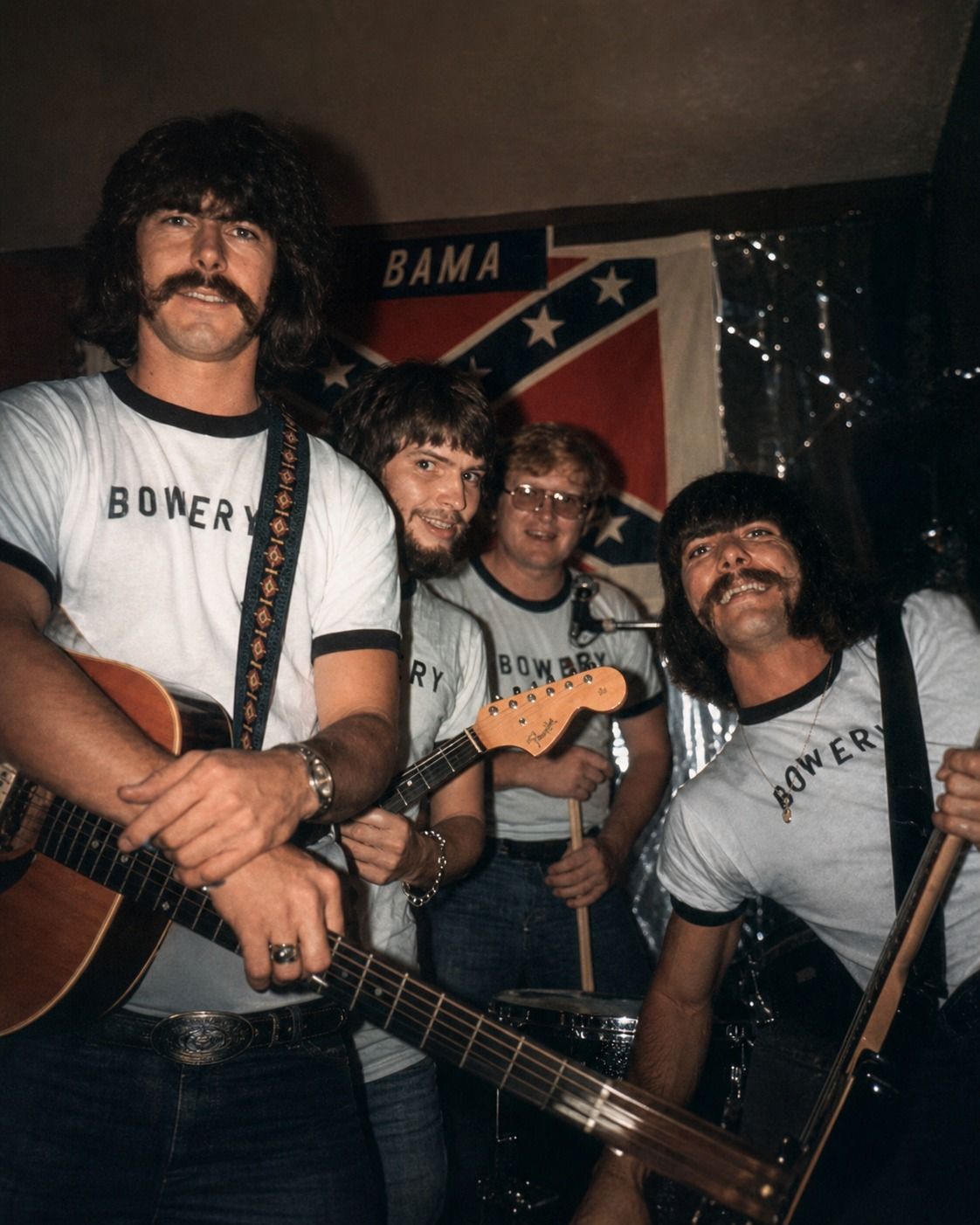
Alabama: The Country Band That Defied the Odds
In an industry often dominated by solo acts, the story of Alabama stands as a testament to perseverance and the power of familial bonds. Comprised of three cousins from Fort Payne, Alabama—Randy Owen, Teddy Gentry, and Jeff Cook—this band carved their place in music history against all odds, transforming rejection into a remarkable legacy.
Roots in Fort Payne: A Harmonious Beginning
Growing up in the picturesque backdrop of Lookout Mountain, Randy, Teddy, and Jeff were raised in a culture steeped in music and hard work. The cotton farms that surrounded them served not only as a source of livelihood but also as a backdrop for their early musical endeavors. They sang in church before they could even shave, learning the value of patience and dedication long before the bright lights of the music industry beckoned.
From the outset, their vision was clear: they wanted to create music as a cohesive band rather than as individual artists. However, this ambition proved to be a stumbling block. The Nashville music scene in the early 1970s was not welcoming to groups. Executives echoed a singular sentiment: country music was meant for solo performers, and bands were simply too risky to market.
The Door That Would Not Open
Despite their passion and talent, Alabama faced seven long years of rejection. Every label they approached turned them away, each delivering the same message cloaked in different phrases: “Not now. Not here. Not you.” For many aspiring musicians, such relentless dismissal would have been enough to extinguish their dreams. Yet, the cousins didn’t succumb to disappointment. Instead, they sought a different stage where they could hone their craft away from the boardroom’s indifference.
In 1973, Alabama made a pivotal decision to relocate to Myrtle Beach, South Carolina, where they took a house band gig at a small club known as The Bowery. Nestled in the heart of this bustling tourist destination, the venue was far from glamorous. It was crowded, sweaty, and filled with vacationers looking to unwind after a long day in the sun. Here, they played six nights a week for tips, performing five hours each night, and they did so for seven consecutive summers.
Building a Foundation: The Promise That Held Alabama Together
Amidst the grueling performance schedule and financial uncertainty, Alabama made a silent promise to each other in their modest $56-a-month apartment in Anniston: they would stay together as a band, keep playing, and not allow Nashville to dictate their fate. This commitment was crucial during the quiet years when crowds were sparse, phone calls went unanswered, and doubt crept in. While other bands may have shifted their styles or disbanded altogether, Alabama remained steadfast in their resolve.
When Nashville Finally Listened
By 1980, the music landscape had shifted, and the same Nashville that had once dismissed Alabama could no longer ignore their undeniable talent. RCA Records finally signed the band, leading to an explosive rise that seemed almost surreal given their arduous journey. They were not a manufactured act; they arrived seasoned from years of relentless performances. The hit songs that followed were imbued with the weight of their experiences at The Bowery and the long road from Fort Payne.
A Legacy Earned: The Numbers Tell a Story
Alabama’s success was not a mere stroke of luck. It was a culmination of hard work, loyalty, and an unyielding belief in their music. Their first single shot to number one, and astonishingly, they followed that success with 21 consecutive number-one hits—a record that remains unbroken across all genres. To date, Alabama has sold over 73 million albums, solidifying their status as one of the most successful country bands in history.
More than just numbers, Alabama’s story is a reflection of their authenticity. In an age where social media can catapult artists to stardom overnight, Alabama’s journey feels almost nostalgic. They built their reputation the hard way, earning their audience one night at a time. Their rise serves as a reminder that true artistry requires time, grit, and a relentless spirit.
The Enduring Impact of Alabama
What makes Alabama’s story particularly compelling is not just their remarkable achievements but the heart behind their music. They were told they did not fit the mold, yet rather than conforming to industry expectations, they became impossible to ignore. The band’s ability to resonate with audiences stems from their genuine commitment to their craft and their deep-rooted understanding of what it takes to connect with people.
As we reflect on Alabama’s incredible journey, it becomes clear that the biggest stories in country music often emerge from the very places that initially say no. Randy Owen, Teddy Gentry, and Jeff Cook did not wait for permission to carve out their path. Instead, they kept showing up, kept singing, and ultimately proved that the spirit of country music is alive and well in bands that dare to dream big.
As they continue to inspire new generations of musicians, Alabama remains not just a band but a symbol of resilience and the enduring power of music. Their legacy is a beacon for all artists who dare to chase their dreams, no matter how many doors are shut in their faces.