TWO HEART ATTACKS. ONE TRIPLE BYPASS. AND HE STILL CLOSED THE OPRY PAST MIDNIGHT
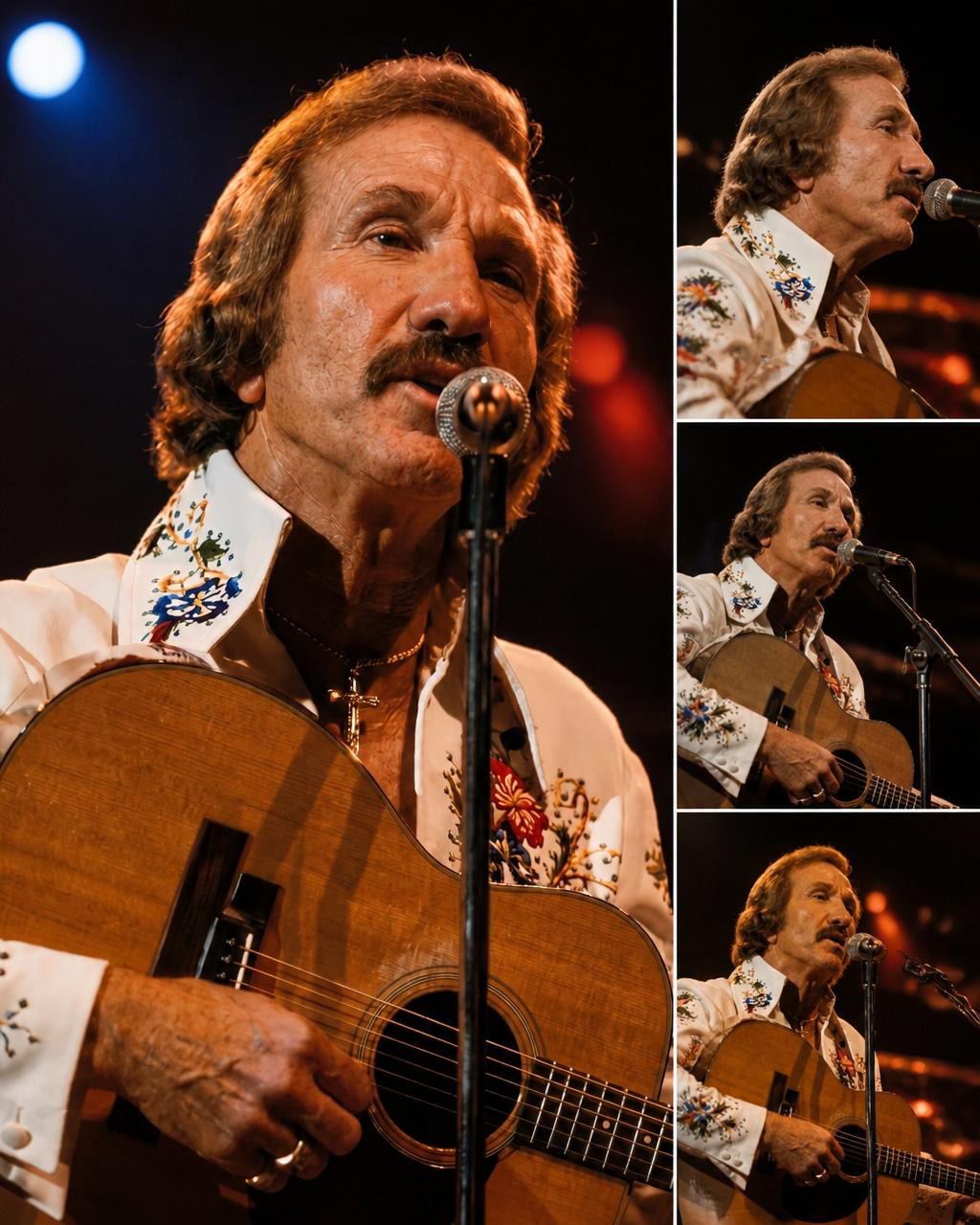
On August 28, 1982, the Grand Ole Opry stage welcomed a familiar face—Marty Robbins. With his calm smile, embroidered cowboy suit, and effortless charm that had graced the Ryman Auditorium for nearly three decades, Robbins stepped into the spotlight without fanfare. He hosted the 11:30 segment, just as he had countless times before. Little did the audience know, they were witnessing the closing of one of country music’s most cherished chapters.
A Legacy of Song and Story
For almost thirty years, Marty Robbins had been a cornerstone of the Grand Ole Opry. His ability to transform a cowboy ballad into a vivid narrative, or to turn a country song into an intimate conversation, made him a beloved figure in the genre. Robbins had an uncanny talent for connecting with his audience, often making them feel as if they were part of an exclusive club. He had a unique blend of humor, warmth, and musical prowess that resonated deeply with fans.
However, by 1982, Robbins was living on borrowed time. Having survived a heart attack in 1969, he became one of the early high-profile patients to undergo triple bypass surgery. Despite doctors’ warnings to slow down, Robbins continued to perform, record, and even race NASCAR cars at breakneck speeds on weekends. His refusal to yield to the fragility of his health only added to the complexity of his character—he was both gentle and fearless, a man who embodied the spirit of country music.
The Midnight Tradition
That fateful night in August, Robbins did what his fans had come to expect; he stretched his performance past midnight. This was not an act of rebellion but rather a playful acknowledgment of the bond he shared with his audience. Over the years, this late-night extension had become a cherished Opry tradition, a testament to Robbins’ commitment to his craft and his fans. Those extra minutes mattered—they were a gift, a chance for one more song, one more laugh, one final connection before the night concluded.
There is something poignant about the image of Robbins, already battling a fragile heart, standing beneath the Opry lights, choosing to give more than required. No one could have possibly known how little time he had left.
The Final Goodbye
Just three months later, on December 8, 1982, Marty Robbins passed away following another heart attack, leaving the country music community in shock. At just 57 years old, Robbins seemed too vibrant to be gone, too full of life to be reduced to memory. His absence felt like a void that could never be filled, as he had left behind a legacy that transcended time.
Robbins was renowned for classics such as “El Paso” and “Big Iron,” which continue to resonate with new generations of listeners. His storytelling ability and emotional depth in songwriting solidified his place in the annals of country music history. However, it is not just the songs that he left behind but also the indelible memories he created on stage, treating the Grand Ole Opry like his second home.
A Haunting Final Song
The most haunting aspect of Robbins’ legacy lies in the story behind his final recorded song. This poignant track tells the tale of a fading country singer striving to make one last record before time runs out—an eerily fitting metaphor for Robbins’ own life. Whether viewed as coincidence or a deeper artistic instinct, the parallels between the song and his life are striking.
Throughout his career, Robbins had the remarkable ability to encapsulate complex emotions and vivid characters in his music—portraying the brave, the wounded, the lonely, and the stubborn. As he approached the end of his own story, the last echoes of his artistry seemed to mirror his relentless quest for one final song, even as the clock was ticking against him.
The Enduring Impact of Marty Robbins
The significance of that August 28 performance goes beyond mere nostalgia; it serves as a testament to a man who loved music and connection above all else. Marty Robbins did not bid farewell with solemnity; instead, he chose to sing, smile, and extend the magic of the night well past midnight. In doing so, he left us with a powerful reminder that sometimes legends depart not with grand speeches, but with one last song—one final gift to an audience that adored him.
As we reflect on the life and legacy of Marty Robbins, we celebrate a man who lived passionately, embracing every moment on stage and off. His contributions to country music remain timeless, and his spirit continues to inspire artists and fans alike. Through his unforgettable performances and poignant storytelling, Marty Robbins has secured his place in the heart of country music—a legacy that will never fade.