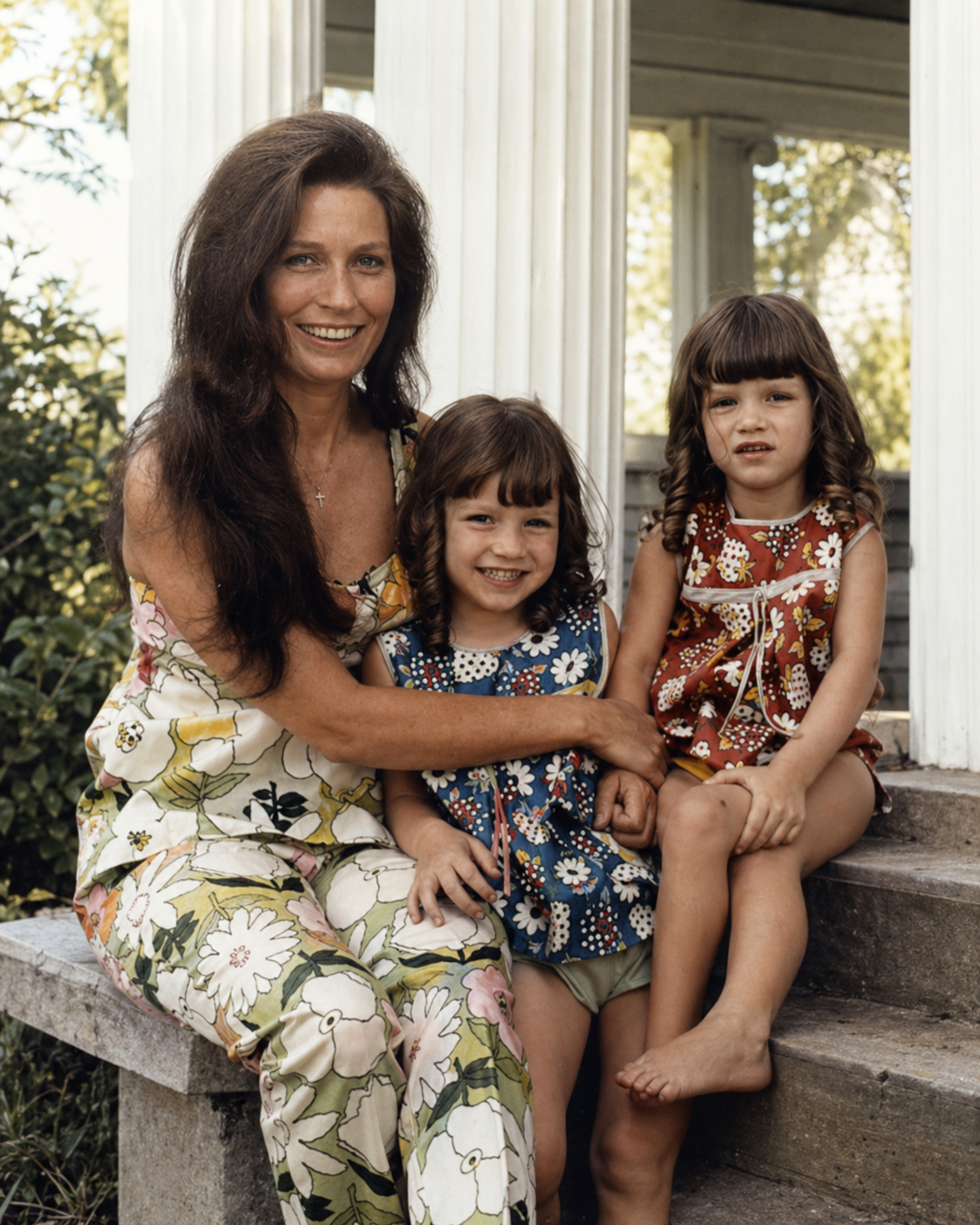
The Unyielding Voice of Loretta Lynn: A Look Back at “The Pill” and Its Impact
In the annals of country music history, few moments resonate as powerfully as Loretta Lynn’s performance of “The Pill” at the Grand Ole Opry in 1975. A song that challenged societal norms and sparked controversy, “The Pill” encapsulated a woman’s struggle for autonomy and choice in a world where such topics were often swept under the rug.
Breaking Barriers with Bold Lyrics
On that fateful night, Loretta Lynn took the Opry stage, unaware of the seismic reactions her song would provoke. “The Pill” was not just a catchy tune; it was a declaration of independence for women who had long been confined to the expectations of motherhood and traditional roles. Lynn’s lyrics articulated the transformative power of birth control, a subject that was largely taboo in the conservative landscape of Nashville.
Decca Records had initially recorded “The Pill” in 1972 but hesitated to release it for three years, fearing backlash. The song’s frank discussion of contraception was groundbreaking yet intimidating for an industry that often shunned candid conversations about female agency. When the song finally hit the airwaves in February 1975, it was met with swift and severe pushback, leading to bans from sixty radio stations across the country.
The Power of Controversy
Despite the attempts to silence her, the controversy surrounding “The Pill” only amplified its reach. A preacher in Lynn’s home state of Kentucky publicly condemned her, urging his congregation to shun the song. Ironically, this only fueled interest, with many churchgoers leaving the sermon to purchase the record.
In the wake of its release, “The Pill” became a cultural touchpoint, resonating with women who understood the weight of Lynn’s words. It was more than just a song; it was a voice for those who had struggled in silence, a celebration of agency that had rarely been echoed in the genre.
A Secret Meeting of Giants
What makes this story even more compelling is the revelation that soon followed Lynn’s performance at the Opry. A week later, she discovered that the Grand Ole Opry had held a clandestine three-hour meeting to decide whether she should be banned from performing “The Pill” again. This was not just a discussion about a single song; it was a reflection of the deep-rooted tensions within the country music community regarding women’s issues.
When a reporter later asked Lynn how she would have reacted if the Opry had chosen to silence her, her response was emblematic of her fearless spirit: “If they hadn’t let me sing the song, I’d have told them to shove the Grand Ole Opry.” This sentiment encapsulated not only her defiance but also her commitment to speaking truths that others were too afraid to acknowledge.
The Life Behind the Lyrics
Lynn’s own life experiences lent authenticity to “The Pill.” Born to a coal miner in Kentucky, she married at a young age and became a mother of four before her twenties. Lynn was intimately familiar with the struggles of women who felt trapped by societal expectations. In her music, she wielded her life story as a weapon, challenging norms and advocating for the rights of women everywhere.
“The Pill” was not an isolated incident; it was part of a larger narrative in Lynn’s career, one that often highlighted the raw truths of womanhood. Her willingness to tackle taboo subjects set her apart in a genre that frequently favored conformity over candor.
Legacy of “The Pill” and Beyond
Despite facing bans and backlash, “The Pill” reached the Top 5 on the country charts and even crossed over to pop radio, solidifying its place in music history. Lynn became a cultural icon, not just for her musical talent but for her role as a pioneer who dared to speak out about controversial issues. Over the years, “The Pill” has continued to be referenced and celebrated, serving as an anthem of empowerment for women across generations.
Lynn’s legacy is one of resilience and authenticity. She understood that her music could challenge the status quo, and she used her platform to amplify the voices of women who felt unheard. Years later, she humorously remarked, “If I’d had the pill back when I was havin’ babies, I’d have taken ’em like popcorn,” a statement that encapsulated her unapologetic approach to life and art.
Conclusion
The story of Loretta Lynn and “The Pill” is a testament to the power of music as a medium for social change. It exemplifies how one artist’s courage can spark conversations that resonate far beyond the stage. The three-hour meeting that sought to silence her only served to amplify her message, leaving an indelible mark on country music and paving the way for future generations of women artists to tell their own truths. In choosing to sing “The Pill,” Loretta Lynn did much more than entertain; she ignited a movement, proving that the voice of women in country music is both powerful and necessary.