The Legacy of Marty Robbins: A Moment of Sacrifice
On October 6, 1974, at the Charlotte Motor Speedway, the world bore witness to a moment that transcended the boundaries of music and racing—a moment that defined the character of a man named Marty Robbins. Known for his velvet voice and chart-topping hits, Robbins was more than just a country music star; he was a man living on borrowed time, facing life’s fragility with courage and conviction.
A Star in Two Realms
Marty Robbins was not merely another name in the NASCAR lineup; to millions of fans, he was a musical icon. With sixteen #1 country hits to his name, including the timeless classic “El Paso,” Robbins had captivated audiences with songs that spoke of longing, danger, and the rugged spirit of the American West. His performances at the Grand Ole Opry—often running from 11:30 PM to midnight—were legendary, melding the worlds of country music and high-speed racing in a way few could imagine.
By the time of the Charlotte 500, Robbins had already overcome significant health challenges. In 1969, he suffered a heart attack that led to a triple bypass surgery, a groundbreaking procedure that few had undergone at the time. The doctors warned him that his future was uncertain and that he would need to slow down. Yet, three months post-surgery, Robbins was back behind the wheel of a NASCAR stock car, demonstrating an unwavering passion for both music and racing.
The Day of Reckoning
On that fateful day in October, the atmosphere was charged with adrenaline as cars roared around the track at breakneck speeds. As the race progressed, young driver Richard Childress found himself in a precarious position. His car had stalled, sitting broadside across the track—a situation that could lead to catastrophic consequences at racing speeds. Robbins was approaching the stalled vehicle at around 160 miles per hour, faced with a harrowing choice: risk a collision with Childress or veer into the unforgiving concrete wall.
The decision came down to mere seconds. “If Marty hadn’t turned into the wall, it’s highly likely I might not be here today,” Childress later reflected. In that split second, Robbins chose the wall, a decision that would leave lasting scars—both physical and emotional.
The Cost of Valor
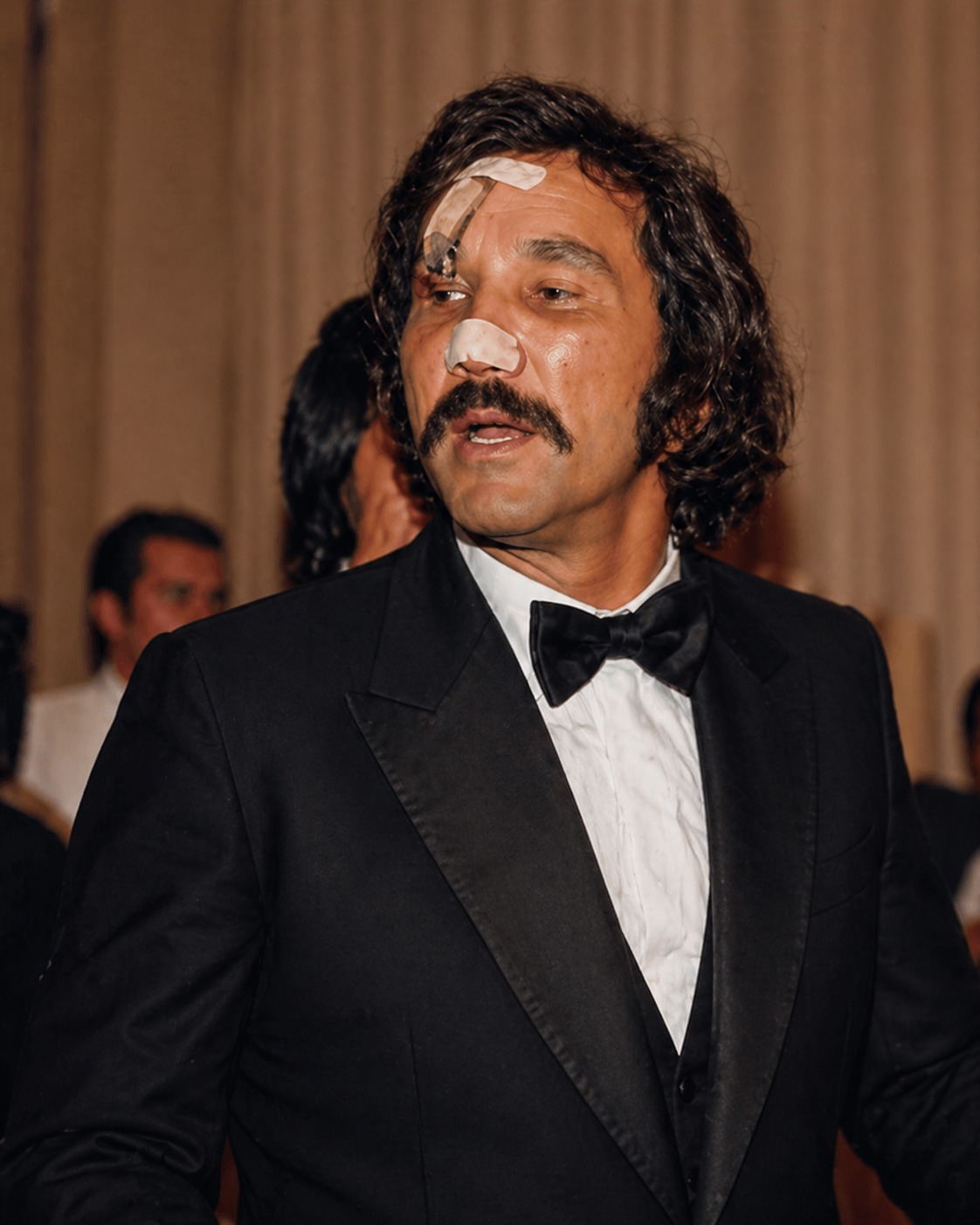
The crash was violent, resulting in severe injuries for Robbins, including 37 stitches across his face, broken ribs, a broken tailbone, and two black eyes. The scar between his eyes remained a permanent testament to that day—a symbol of sacrifice and bravery. Despite the pain he endured, Robbins’s choice saved Childress’s life, allowing him to go on to become a pivotal figure in NASCAR history, establishing Richard Childress Racing and becoming synonymous with the legendary Dale Earnhardt and the iconic number 3 car.
A Man Beyond Music
While Marty Robbins is often celebrated for his musical accomplishments, the events of that day reveal a deeper layer of his character. In a moment that demanded instinct and selflessness, Robbins acted not as a celebrity or a hitmaker, but as a man willing to risk his own life for a stranger. This act of courage speaks volumes about the kind of person he was—one who understood the fragility of life and chose to protect another’s even when his own was uncertain.
Enduring Legacy
The legacy of Marty Robbins extends far beyond the charts and the racetrack. His music continues to resonate, with “El Paso” often regarded as one of the greatest country songs of all time. However, it is the story of his split-second decision on that October afternoon that truly encapsulates the essence of who he was. It stands as a powerful reminder of the choices we make when faced with life-altering moments.
What does a man owe a stranger when time is not on his side? On that day, Robbins answered with an act of valor that would echo through the annals of both country music and NASCAR history. His decision not only altered the trajectory of one man’s life but also etched his legacy into the fabric of American culture.
As we remember Marty Robbins, let us celebrate not just his contributions to music but also his extraordinary character—the man who turned the wheel, hit the wall, and in doing so, became a hero.