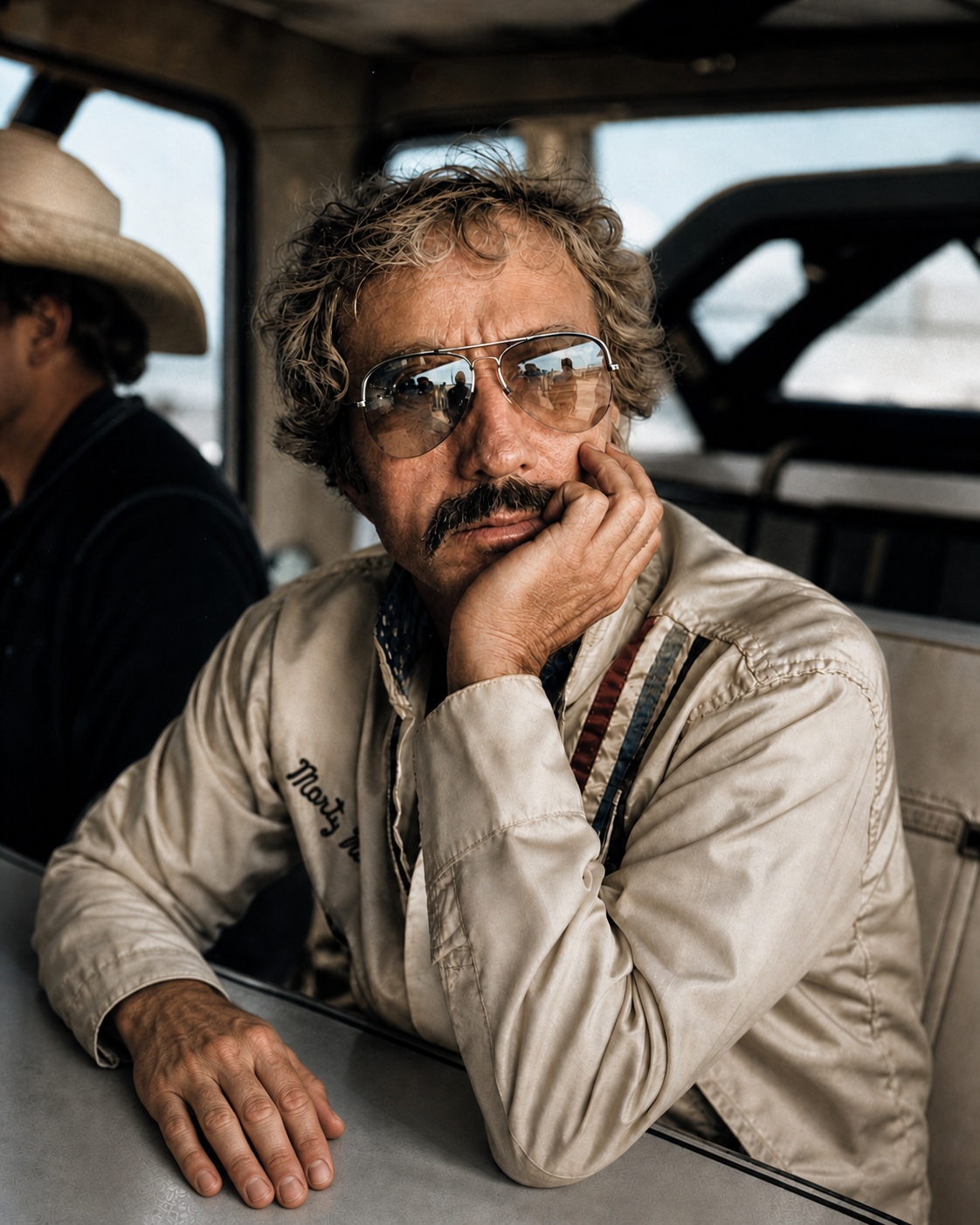
The Legacy of Marty Robbins: A Life Driven by Music and Courage
Marty Robbins is a name that resonates deeply within the annals of country music history. A voice that transcended genres, Robbins was not merely a singer; he was a storyteller whose narratives captivated audiences far beyond the honky-tonks of Nashville. His life, filled with remarkable highs and devastating lows, tells a tale of passion, determination, and, ultimately, sacrifice.
A Humble Beginning
Born Martin Robinson in Glendale, Arizona, Marty Robbins was the second of nine children in a family that faced financial hardships. Growing up in a poverty-stricken household, he learned the value of hard work early on, often picking cotton before school to save pennies for Gene Autry movies. These cowboy films ignited a dream within him—a desire to create his own stories that mirrored the wide-open landscapes and moral dilemmas of the West.
El Paso: The Song They Told Him to Cut
In 1959, Robbins penned one of the most iconic songs in country music history: “El Paso.” At over four minutes long, it defied the conventional expectations of radio-friendly hits at the time. Columbia Records urged him to shorten it, fearing that no station would dare play such an extended ballad. However, Robbins stood his ground, declaring, “No.” He understood that some stories cannot be told in a mere few minutes without losing their essence.
And so, “El Paso” emerged—a Western ballad rich with themes of love, jealousy, regret, pursuit, and consequence. The public embraced it wholeheartedly. The song soared to number one on both the country and pop charts, earning Robbins two Grammy Awards and solidifying his legacy as one of the finest country singers of all time. The smooth, golden tone of his voice, combined with his ability to weave intricate tales, allowed him to transcend the genre and reach mainstream success.
Racing: A Passion Beyond Music
While Robbins is primarily remembered for his musical contributions, he had another passion that fueled his spirit: auto racing. Unlike many celebrities who dabble in motorsports for publicity, Robbins pursued racing with genuine enthusiasm. He bought a stock car and embraced the thrill of speed, often balancing his racing career with performances at the Grand Ole Opry. The image of Robbins rushing from the racetrack to the stage is vivid and emblematic of his relentless drive.
The Defining Moment
In 1974, during a high-stakes race, Robbins faced a split-second decision that would define his character far beyond the world of music. As another driver’s car stalled directly in front of him on a high-speed straightaway, Robbins had a clear path to avoid disaster. Instead, he yanked the wheel hard to the right and crashed into the concrete wall, sacrificing himself to spare the life of the stalled driver ahead.
This act of bravery was more than a decision in a race; it was a testament to the man Robbins was at his core. Days before his passing, following his fourth heart attack and induction into the Country Music Hall of Fame, he reflected on that fateful moment. His choice demonstrated an extraordinary capacity for empathy and courage, resonating far beyond the confines of the racetrack.
A Lasting Legacy
Tragically, Marty Robbins passed away at the young age of 57, leaving behind a rich tapestry of music and a poignant story of heroism. His legacy extends beyond his chart-topping hits and accolades; it embodies the spirit of a man who pursued his passions with relentless fervor while remaining deeply compassionate toward others.
Fans remember Robbins not just for “El Paso” or his other sixteen number-one hits but for the life lessons woven into his songs. He sang of heroes and heartache, and in a moment that truly mattered, he became a hero himself. His story serves as a reminder that true greatness lies not in the accolades one garners but in the choices one makes when it matters most.
Conclusion
Marty Robbins could have been content to chase victory on the racetrack or bask in the glory of his musical achievements. Instead, he chose a path of mercy, demonstrating that sometimes, the most significant moments in life come not from the race to the finish line but from the courage to protect another. Robbins remains unforgettable, a shining example of how music and humanity can intertwine in the most extraordinary ways.