The Legacy of Marty Robbins: A Hero on and off the Track
On October 6, 1974, the Charlotte Motor Speedway was the backdrop for a moment that would forever intertwine the worlds of country music and NASCAR. Behind the wheel of a stock car, legendary country singer Marty Robbins faced a split-second decision that would define his legacy. As he sped towards a stalled vehicle driven by a young Richard Childress, Marty had mere seconds to choose between his own survival and that of a stranger. The choice he made that day not only saved a life but also reshaped how we remember him—not just as a celebrated musician, but as a man of profound courage.
A Life Intertwined with Music and Speed
Marty Robbins was not your typical race car driver. To millions of fans, he was the velvet voice behind timeless hits like “El Paso,” a Grand Ole Opry star, and an icon in the country music genre. By 1974, he had amassed an impressive repertoire that included sixteen number-one country hits, showcasing his ability to tell stories of longing, danger, and the human experience through song.
But Robbins was more than a singer; he was a man who thrived on adrenaline. Racing was in his blood, and despite the risks, he couldn’t resist the thrill of the track. This passion for speed was juxtaposed with a life marked by health struggles. In 1969, Marty suffered a heart attack that was a wake-up call. Doctors discovered severe blockages in three major arteries and warned him he had only a year to live unless he underwent a risky triple bypass surgery. Defying the odds, Robbins became one of the first patients to undergo the procedure. Just three months later, he was back racing, a testament to his resilience and refusal to be confined by fear.
The Fateful Day at Charlotte Motor Speedway
The Charlotte 500 was a race that many would remember for its intensity, but for Robbins, it became the stage for a life-altering choice. As he navigated the track at a staggering speed of 160 mph, he found himself facing an unimaginable dilemma. Richard Childress’s car had stalled broadside across the track, leaving Robbins with a harrowing decision: crash into Childress’s vehicle, potentially killing him, or veer into the concrete wall and sacrifice his own safety.
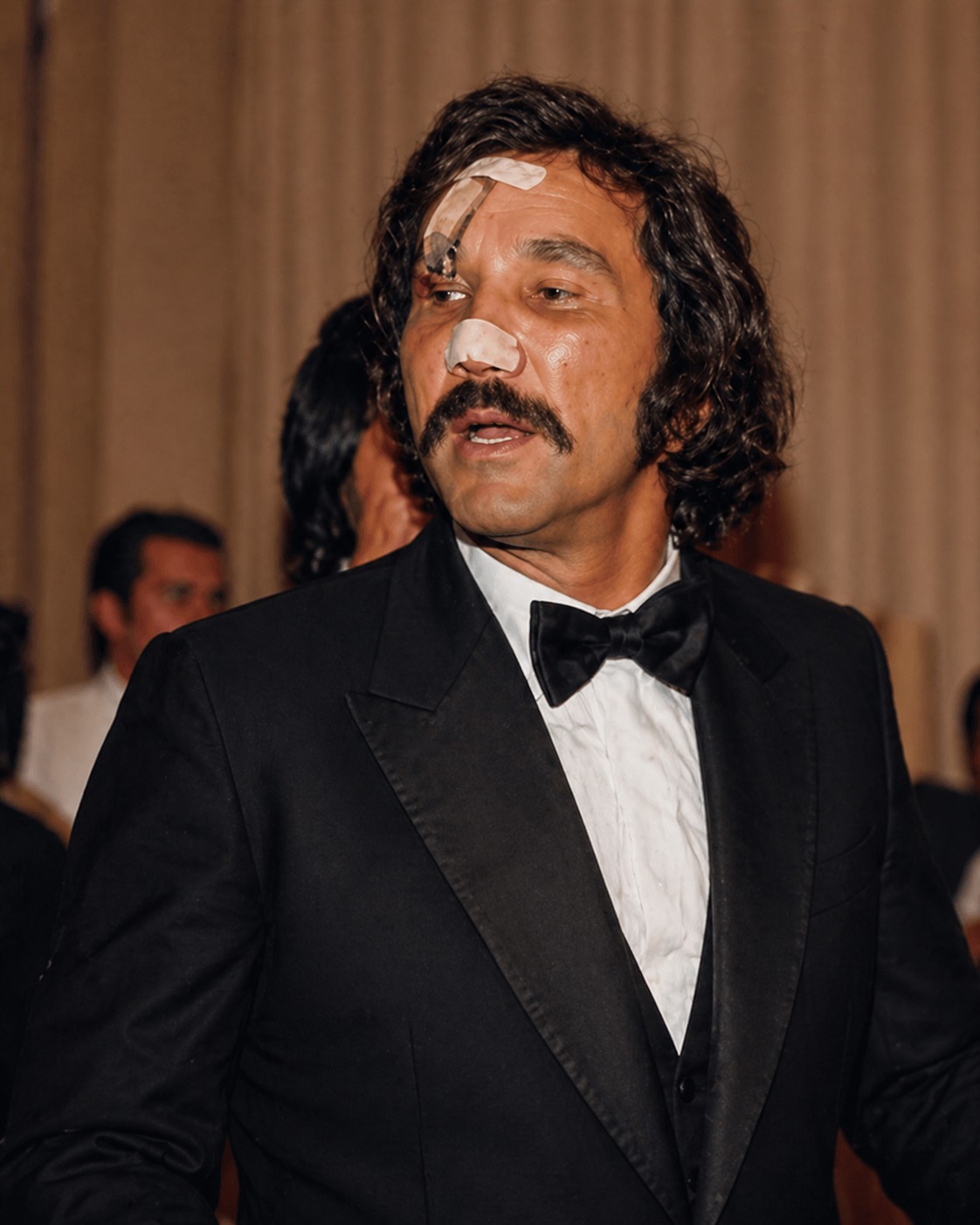
In those crucial moments, time seemed to stand still. As Richard Childress later reflected, “If Marty hadn’t turned into the wall, it’s highly likely I might not be here today.” The choice was clear to Robbins; he turned the wheel, opting for the wall and the injuries that would follow over the life of another. This instinctive act of bravery resulted in a violent crash, leaving him with 37 stitches across his face, two black eyes, broken ribs, and a shattered tailbone. The scar between his eyes remained a permanent reminder of that day, a testament to his selflessness.
The Aftermath: A Life Reshaped
The consequences of that fateful day were felt long after the race concluded. Richard Childress would go on to become one of the most significant figures in NASCAR history, founding Richard Childress Racing and shaping the future of the sport. Meanwhile, Marty Robbins returned to the stage and the track, but the impact of his decision lingered. He continued to record and perform, but the events of that day added a layer of depth to his legacy.
For many, Marty Robbins will forever be remembered for his contributions to country music, particularly his hauntingly beautiful ballad “El Paso,” which tells a story of love, loss, and the longing for a distant place. However, his actions on that October afternoon reveal a different facet of his character—a man willing to make the ultimate sacrifice for a stranger, even when he himself was living on borrowed time.
A Hero Beyond Music
The story of Marty Robbins is not just one of musical success but also of profound humanity. It raises questions about the nature of sacrifice and the moral obligations we have towards one another, especially when faced with life-or-death situations. What does one owe a stranger when time is running out? Robbins answered that question not with words, but with a courageous act that has echoed through the years.
As we reflect on the life of Marty Robbins, we see a man who lived fully and fiercely, embracing both the highs of music and the thrills of racing. His legacy is a rich tapestry of melodies that continue to resonate, interwoven with a singular moment of courage that transcends the confines of fame. On that day in 1974, he was not just a country music legend or a race car driver; he was a hero. And though he passed away in 1982, the story of his bravery at Charlotte Motor Speedway remains a poignant reminder of what it means to truly live for others.