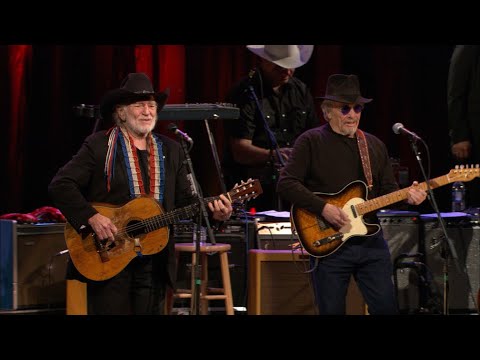
Merle Haggard’s “Okie from Muskogee”: A Timeless Classic in Music History
“Okie from Muskogee,” a song by the legendary Merle Haggard, is not just a piece of music; it’s a cultural statement that encapsulates the spirit of a generation. Released in 1969, this song became an anthem for traditional American values during a tumultuous time in the United States. Haggard’s poignant lyrics and authentic delivery resonated with many, making it a timeless classic that still holds relevance today.
Merle Haggard: A Cornerstone of Music
Born on April 6, 1937, in Oildale, California, Merle Haggard emerged from a background marked by hardship and rebellion. His life experiences, including time spent in prison, shaped his perspective on the world and informed his songwriting. Haggard’s unique blend of country, rock, and folk elements helped define the genre, earning him a place among the pantheon of great American musicians. With a career spanning over five decades, Haggard produced numerous hit songs, but “Okie from Muskogee” remains one of his most iconic tracks, capturing the essence of his artistry and the struggles of everyday Americans.
The Era of “Okie from Muskogee”
The late 1960s were a time of significant social upheaval in the United States. The Vietnam War was raging, civil rights movements were gaining momentum, and countercultural movements were challenging traditional values. Against this backdrop, Haggard penned “Okie from Muskogee,” a song that seemingly took a stand for the values of rural America. Haggard’s lyrics spoke to the frustrations of those who felt marginalized by the changing landscape of society. The song’s portrayal of Muskogee, Oklahoma, as a bastion of conservative values resonated with many listeners who yearned for simpler times amid societal chaos.
Songwriting Credits and Significance
“Okie from Muskogee” was co-written by Merle Haggard and his band member Roy Edward Burris. The song emerged from Haggard’s own experiences and observations, serving as both a celebration and a critique of American life. The songwriting duo managed to encapsulate a complex emotional landscape in just a few verses, addressing themes of pride, resistance, and nostalgia. The song’s significance lies not only in its commercial success but also in its ability to provoke thought about the cultural divide in America during the 1960s.
The Storyline of “Okie from Muskogee”
The narrative of “Okie from Muskogee” unfolds through the perspective of a narrator who identifies as an “Okie,” a term historically used to describe migrants from Oklahoma during the Great Depression. The song paints a vivid picture of life in Muskogee, contrasting the values of its residents with those of the counterculture. Lines like “We don’t smoke marijuana in Muskogee” and “We don’t take our trips on LSD” serve as declarations of a lifestyle that rejects the excesses and changes embraced by the youth of the time. Ultimately, the song tells the story of a community that prides itself on its traditional values and way of life, while simultaneously highlighting the tension with the rapidly evolving social landscape.
Lyrical and Thematic Analysis
The lyrics of “Okie from Muskogee” are straightforward yet deeply resonant, encapsulating the pride and defiance of its narrator. Haggard’s use of colloquial language adds authenticity, allowing listeners to connect with the sentiments expressed. Thematically, the song explores issues of identity, cultural pride, and resistance to change. Haggard’s choice to focus on the everyday experiences of people in Muskogee highlights the struggles and triumphs of working-class Americans. The juxtaposition of traditional values against the backdrop of a changing society invites listeners to reflect on what it means to belong and the importance of cultural heritage.
Vocal Delivery and Emotional Interpretation
Merle Haggard’s vocal delivery in “Okie from Muskogee” is one of its most compelling aspects. His voice carries a sense of authenticity and conviction, embodying the character of the narrator. Haggard’s phrasing and inflection convey a mix of pride and defiance, inviting listeners to feel the weight of the words. The emotion in his delivery transforms the song from a mere narrative into a powerful expression of identity and belonging. Haggard’s ability to connect with his audience on an emotional level is a testament to his talent, and it is this quality that has allowed “Okie from Muskogee” to endure over the years.
Instrumentation and Production Style
Chart Performance and Cultural Impact
“Okie from Muskogee” was a commercial success, reaching number one on the Billboard Hot Country Singles chart and remaining there for four weeks. The song’s popularity transcended the country music genre, making it a cultural phenomenon. Its release sparked conversations about the values and beliefs of rural America, positioning Haggard as a voice for many who felt alienated by the counterculture movement of the 1960s. The song’s enduring popularity has led to its inclusion in various media, further cementing its place in American cultural history.
Legacy within Classic Music
The legacy of “Okie from Muskogee” extends far beyond its initial release. The song has been covered by numerous artists, highlighting its influence on subsequent generations of musicians. Haggard’s work, particularly this song, has been recognized for its cultural significance, with many citing it as an essential part of the American music canon. Its themes of identity, pride, and resistance continue to resonate, making it a relevant piece of art in contemporary discussions about culture and values. As we reflect on Haggard’s contributions to music, “Okie from Muskogee” stands as a testament to his ability to capture the complexities of the human experience in a way that is both relatable and timeless.
—