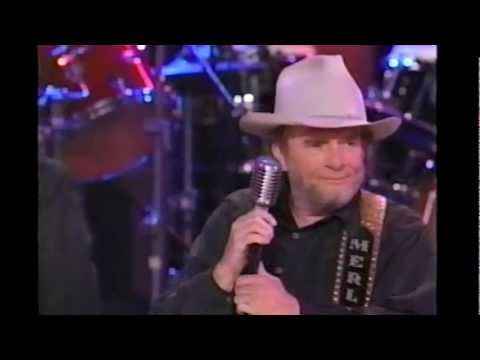
Merle Haggard’s “Okie from Muskogee”: A Timeless Classic in Music History
“Okie from Muskogee” stands as one of the defining anthems of country music, encapsulating the spirit and sentiments of a generation. Released in 1969, this iconic song by Merle Haggard not only showcases his exceptional songwriting and vocal talent but also serves as a cultural touchstone that reflects the social dynamics of America during a time of great change. This article delves into the various facets of this enduring classic, examining its significance within the broader context of music history.
Merle Haggard: A Cornerstone of Music
Born on April 6, 1937, in Oildale, California, Merle Haggard emerged from humble beginnings to become one of the most influential figures in country music. His life story is as compelling as his music; having experienced the struggles of poverty, incarceration, and the loss of his father at a young age, Haggard channeled these experiences into songs that spoke to the heart of the working class. Often referred to as the “Poet of the Common Man,” Haggard’s unique perspective and authentic storytelling resonated deeply with audiences, making him a revered figure in the genre.
The Era of “Okie from Muskogee”
The late 1960s were a tumultuous period in American history, characterized by civil rights movements, anti-war protests, and a cultural revolution that challenged traditional values. In the backdrop of this social upheaval, “Okie from Muskogee” emerged as a counter-narrative, celebrating the values of small-town America and the simple pleasures of life. The song was released at a time when the country music landscape was beginning to shift, with artists like Haggard leading the way in defining the genre’s new sound, which would later influence the emergence of the Outlaw Country movement.
Songwriting Credits and Significance
Written by Merle Haggard and his longtime collaborator Roy Edward Burris, “Okie from Muskogee” reflects Haggard’s personal experiences and observations of life in Muskogee, Oklahoma. The song’s straightforward narrative style, combined with its catchy melody, made it a standout track on Haggard’s album “Okie from Muskogee,” which was released in 1969. The song quickly became one of Haggard’s signature pieces, solidifying his status as a top-tier songwriter and performer. Its significance lies not only in its commercial success but also in its ability to encapsulate the ethos of a specific demographic during a pivotal moment in American history.
The Storyline of “Okie from Muskogee”
The storyline of “Okie from Muskogee” revolves around a narrator who proudly identifies as an “Okie” from Muskogee, a term that historically referred to the migrants from Oklahoma who moved westward during the Dust Bowl era. The song paints a vivid picture of life in a small town, highlighting the values of hard work, patriotism, and a sense of community. It contrasts the narrator’s traditional lifestyle with the counterculture movements of the time, often addressing themes of pride and resistance against the societal changes that many viewed as a threat to their way of life. The narrator’s defiance and pride resonate with listeners, making the song a celebration of regional identity and cultural heritage.
Lyrical and Thematic Analysis
The lyrics of “Okie from Muskogee” are both simple and profound, encapsulating a range of emotions and themes. The song opens with a catchy refrain that immediately draws listeners in, establishing a sense of familiarity and camaraderie. The verses provide a series of observations about life in Muskogee, emphasizing values such as hard work, respect for authority, and traditional family structures. Haggard’s use of colloquial language adds authenticity to the narrative, making it relatable to listeners across the country. Thematically, the song tackles the tension between traditional values and the emerging counterculture, positioning the narrator as a voice for those who felt alienated by the rapid changes occurring in society.
Vocal Delivery and Emotional Interpretation
Merle Haggard’s vocal delivery in “Okie from Muskogee” is a masterclass in emotional interpretation. His rich, gravelly voice conveys a sense of sincerity and authenticity that resonates deeply with listeners. Haggard’s phrasing and timing lend a conversational quality to the performance, making it feel as though he is sharing a personal story rather than simply singing a song. The emotional weight of the lyrics is enhanced by his ability to convey pride, nostalgia, and defiance in equal measure. This nuanced vocal delivery is one of the reasons why “Okie from Muskogee” has remained a beloved classic, as it captures the essence of the sentiments expressed in the lyrics.
Instrumentation and Production Style
The instrumentation of “Okie from Muskogee” is characterized by traditional country elements that contribute to its timeless appeal. The song features a steady rhythm driven by acoustic guitars, bass, and drums, creating a strong foundation for Haggard’s vocals. The use of steel guitar adds a distinct country flavor, while the incorporation of fiddle elevates the track’s authenticity. The production style is straightforward, allowing the narrative and emotional weight of the song to take center stage. This simplicity in instrumentation reflects the values of the era, emphasizing the importance of storytelling in country music.
Chart Performance and Cultural Impact
Legacy within Classic Music
The legacy of “Okie from Muskogee” endures not only within the realm of country music but also in popular culture at large. It has been covered by numerous artists across various genres, showcasing its wide-reaching influence. The song has found its way into films, television shows, and even political discourse, further cementing its status as a cultural touchstone. Haggard’s work, particularly “Okie from Muskogee,” has inspired countless musicians and songwriters, serving as a benchmark for storytelling within the genre. As a testament to its lasting impact, the song continues to be celebrated and revisited by new generations, ensuring that the spirit of Haggard’s message remains alive and well in the fabric of American music.
—