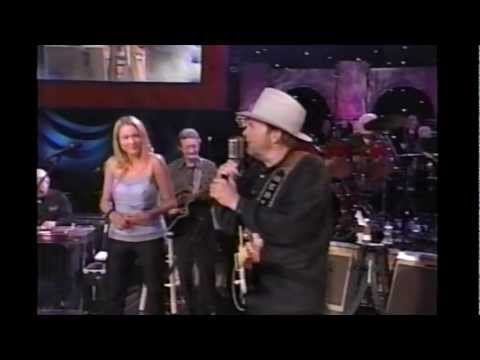
Merle Haggard’s “Silver Wings”: A Timeless Classic in Music History
In the pantheon of country music, few artists have left as indelible a mark as Merle Haggard. With a career that spanned decades, Haggard’s music often drew from his own life experiences, capturing the essence of American life through poignant storytelling. One of his most enduring songs, “Silver Wings,” stands out as a testament to his songwriting prowess and emotional depth. Released in 1969, “Silver Wings” not only showcases Haggard’s unique style but also encapsulates the themes of longing and loss that are prevalent in his work.
Merle Haggard: A Cornerstone of Music
Born on April 6, 1937, in Oildale, California, Merle Haggard emerged from humble beginnings to become one of the most influential figures in country music. His early life was marked by hardship, including the death of his father, which led to a troubled youth and subsequent brushes with the law. However, music became his sanctuary, and he honed his craft in prison, where he became inspired by the likes of Johnny Cash and Lefty Frizzell. Haggard’s sound is often characterized by a blend of honky-tonk, rockabilly, and traditional country, earning him the title of one of the founders of the “Bakersfield Sound.” His songs frequently reflect the struggles and triumphs of the working class, making him a voice for the voiceless. As an artist, Haggard penned numerous hits, including “Okie from Muskogee,” “Mama Tried,” and, of course, “Silver Wings.”
The Era of “Silver Wings”
“Silver Wings” was released during a transformative period in American music. The late 1960s saw a shift in cultural norms, with the rise of counterculture movements and a burgeoning interest in authenticity in music. Country music was evolving, and artists were beginning to blend traditional sounds with contemporary themes. Haggard’s work during this time resonated with audiences who were both nostalgic for the past and eager for a reflection of their current realities. “Silver Wings,” with its haunting melody and heartfelt lyrics, encapsulates the emotional complexity of the era, making it a standout track on Haggard’s album “A Portrait of Merle Haggard.”
Songwriting Credits and Significance
The Storyline of “Silver Wings”
The narrative of “Silver Wings” revolves around the theme of separation and longing. The protagonist reflects on a love that is slipping away, symbolized by the silver wings of an airplane. The imagery evokes a sense of distance and heartache, as the protagonist grapples with the reality of their partner’s departure. Throughout the song, Haggard paints a vivid picture of yearning and regret, drawing listeners into a world where love is both beautiful and painful. This storyline reflects the universal feelings of separation that many can relate to, making “Silver Wings” a timeless classic.
Lyrical and Thematic Analysis
The lyrics of “Silver Wings” are rich with emotion and vivid imagery. Haggard’s use of metaphor is particularly striking; the “silver wings” serve as a powerful symbol of both freedom and loss. The juxtaposition of beauty and sadness is evident throughout the song, as the protagonist reflects on the bittersweet nature of love. Themes of loneliness and heartache are prevalent, as Haggard explores the emotional complexities of relationships. The simplicity of the lyrics allows for a deep connection with listeners, who can find their own experiences mirrored in Haggard’s words. This universality is what has allowed “Silver Wings” to resonate with audiences over the decades.
Vocal Delivery and Emotional Interpretation
Merle Haggard’s vocal delivery in “Silver Wings” is nothing short of masterful. His rich, baritone voice conveys a profound sense of yearning, drawing listeners into the emotional landscape of the song. Haggard’s phrasing and inflection add layers of meaning to the lyrics, making each line feel personal and relatable. His ability to convey vulnerability while maintaining a sense of strength is a hallmark of his style, and “Silver Wings” is no exception. As he navigates the highs and lows of the song’s emotional journey, Haggard’s interpretation captivates audiences, allowing them to feel the weight of the protagonist’s sorrow and longing.
Instrumentation and Production Style
The instrumentation in “Silver Wings” complements the emotional weight of the lyrics perfectly. The arrangement features traditional country elements, including steel guitar and fiddle, creating a sound that is both timeless and evocative. The production style, characteristic of Haggard’s work during this era, balances simplicity with sophistication. The instruments work harmoniously to support Haggard’s vocals, allowing the poignant lyrics to take center stage. The overall sound captures the essence of the late 1960s, blending classic country with a contemporary feel that appeals to a wide audience.
Chart Performance and Cultural Impact
Legacy within Classic Music
The legacy of “Silver Wings” within the realm of classic music is significant. As one of Merle Haggard’s signature songs, it exemplifies his ability to capture the human experience through music. The song’s emotional depth and lyrical craftsmanship have inspired countless artists across genres, influencing the trajectory of country music and beyond. Haggard’s work continues to be celebrated for its authenticity and relatability, and “Silver Wings” remains a poignant reminder of the power of music to evoke emotion and tell stories that transcend time. Haggard’s contributions to the genre have paved the way for future generations of musicians, ensuring that his influence will be felt for years to come.
“`
—