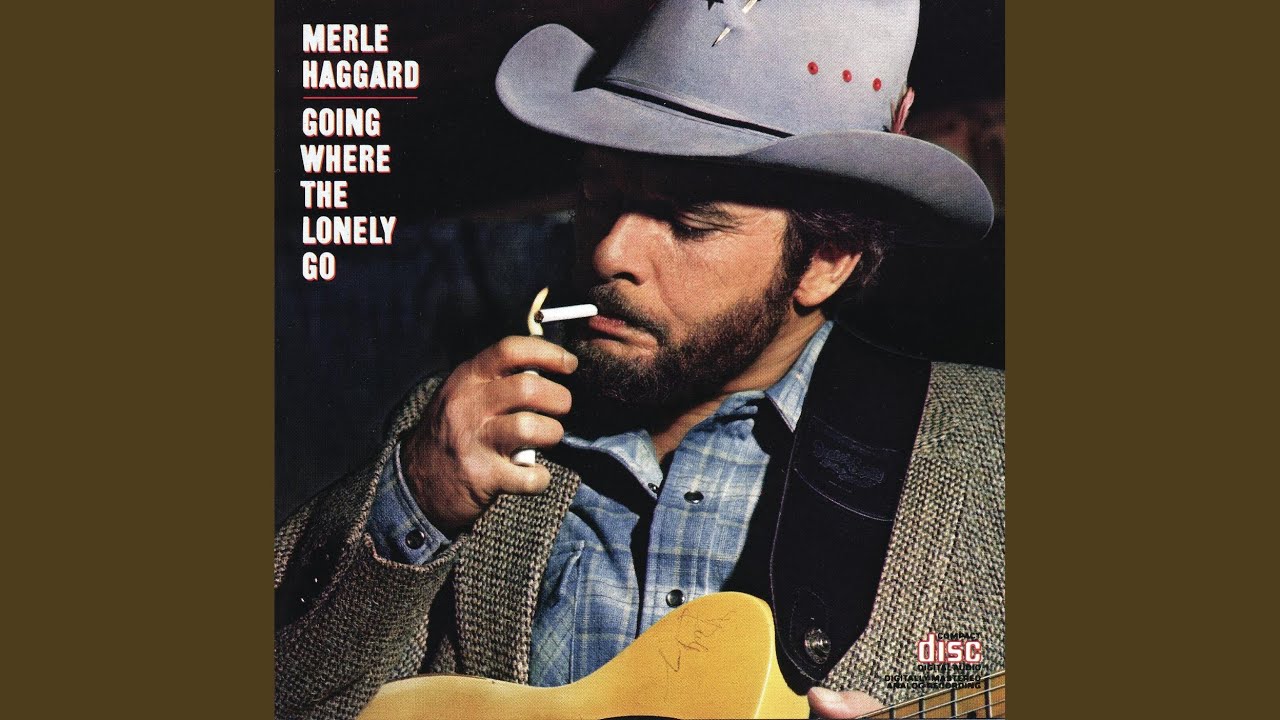
Merle Haggard’s “Going Where the Lonely Go”: A Deep Dive into a Timeless Classic
Merle Haggard’s “Going Where the Lonely Go” is a song that has etched its place in the annals of music history, leaving an indelible mark on the hearts of listeners across generations. Released in 1982, this poignant ballad has become synonymous with the very essence of country music, embodying the genre’s ability to tell stories that resonate deeply with the human experience. The song’s impact is multifaceted, touching upon themes of love, loss, and the unrelenting passage of time, all set against the backdrop of Haggard’s unmistakable baritone and the lush, pedal steel-infused instrumentation that defines the era. As we delve into the intricacies of “Going Where the Lonely Go,” it becomes clear that this is more than just a song; it’s a reflection of the artist’s own life journey, a testament to the power of music to transcend time, and a reminder of the enduring legacy of one of country music’s most revered figures.
The song’s ability to evoke a sense of longing and nostalgia is unparalleled, with its soaring chorus and the haunting pedal steel guitar that weaves in and out of the melody, creating a sense of space and desolation that perfectly complements the song’s themes. It’s a masterclass in songwriting, production, and vocal delivery, standing as a prime example of how country music, at its core, is about storytelling and connecting with the listener on a profound level. As we explore the depths of “Going Where the Lonely Go,” we’re not just examining a song; we’re uncovering the layers of an artist’s soul, laid bare through the medium of music.
Merle Haggard: A Cornerstone of Music History
Merle Haggard, born on April 6, 1937, in Oildale, California, was the embodiment of the American dream, albeit one fraught with challenges and hardships. His early life was marked by poverty and instability, with his father passing away when Merle was just nine years old. This tumultuous beginning would later influence his music, as Haggard often drew upon his personal experiences of struggle and perseverance. Before becoming one of the most iconic figures in country music, Haggard spent time in San Quentin State Prison for burglary, an experience that would later shape his perspective and inform his songwriting.
Haggard’s entry into music was somewhat serendipitous, influenced by the likes of Jimmie Rodgers and Bob Wills, among others. His unique voice and style, which blended elements of country, blues, and folk, quickly gained attention, leading to his first single, “Singing My Heart Out,” in 1962. However, it was his 1965 song “Okie from Muskogee” that catapulted him to national prominence, its anti-hippie, pro-American stance resonating with a segment of the population disillusioned with the social changes of the 1960s. Throughout his career, Haggard remained true to his roots, never shying away from addressing the realities of American life, whether it was the plight of the working class, the disillusionment of war, or the simple, often overlooked stories of everyday people.
Merle Haggard’s influence on country music is immeasurable. He, along with artists like Willie Nelson and Waylon Jennings, was part of the outlaw country movement, a rebellion against the slick, polished sound that had become synonymous with Nashville. This movement sought to reclaim the raw, honest essence of country music, and Haggard, with his rugged, unapologetic style, was at its forefront. His legacy extends beyond his own music, as he paved the way for future generations of country and Americana artists, inspiring them with his unwavering commitment to his art and his unflinching honesty.
The Origin and Composition of “Going Where the Lonely Go”
“Going Where the Lonely Go” was written by Merle Haggard, a testament to his skill as a songwriter and his ability to craft narratives that are both deeply personal and universally relatable. The song, as with much of Haggard’s work, is rooted in his own experiences and observations, reflecting his capacity to find beauty and pathos in the mundane aspects of life. The composition is characterized by its simple yet powerful melody, which provides a stark backdrop for Haggard’s emotive vocals and the poignant lyrics that explore themes of loneliness, heartache, and the passage of time.
The story behind “Going Where the Lonely Go” is one of reflection and melancholy, with Haggard drawing upon his own feelings of isolation and disconnection. The song’s narrative is somewhat abstract, inviting listeners to interpret its themes and messages in a personal way. This ambiguity is part of the song’s enduring appeal, as it allows “Going Where the Lonely Go” to become a highly individualized experience, with each listener able to find their own story within its melancholic melodies and heartfelt lyrics.
In the Studio: Recording and Production
The recording of “Going Where the Lonely Go” took place in 1982, a period marked by significant changes in the music industry, with the rise of new technologies and production techniques. Despite these advancements, the song’s production remains remarkably straightforward, with a focus on traditional instruments such as the pedal steel guitar, fiddle, and Haggard’s own acoustic guitar playing. This approach not only grounded the song in the country music tradition but also added to its sense of intimacy and immediacy.
The vocal arrangements on “Going Where the Lonely Go” are equally noteworthy, with Haggard’s baritone taking center stage. His voice, worn from years of smoking and hard living, adds a layer of authenticity to the song, lending credibility to the emotions and stories he conveys. The backing vocals, subtle yet effective, provide a gentle contrast to Haggard’s lead, enhancing the overall sense of melancholy and longing that pervades the song.
The iconic sounds that define “Going Where the Lonely Go,” from the opening strains of the pedal steel to the haunting fiddle solos, were the result of meticulous production. The song’s producers aimed to create a sparse, uncluttered sound that would allow Haggard’s voice and the song’s narrative to take precedence. This minimalist approach paid dividends, as the song’s simple, elegant arrangement has become one of its defining features, contributing significantly to its timeless appeal.
Lyrical and Thematic Analysis
The lyrics of “Going Where the Lonely Go” are a masterpiece of storytelling, weaving a complex tapestry of emotions and themes that are at once deeply personal and universally relatable. The song’s narrative is characterized by its sense of melancholy and longing, as Haggard explores the pain of lost love and the desolate landscapes of the human heart. Through his lyrics, Haggard paints vivid pictures of isolation and disconnection, inviting listeners to reflect on their own experiences of loneliness and heartache.
One of the most compelling aspects of “Going Where the Lonely Go” is its exploration of the human condition. The song touches upon fundamental themes such as love, loss, and the passage of time, reminding us of the shared experiences that bind us together. Haggard’s lyrics are remarkable for their honesty and vulnerability, offering a glimpse into the artist’s own soul and the emotions that drove him to create music that continues to resonate with listeners today.
The song’s thematic depth is also reflected in its use of imagery and metaphor. Haggard’s descriptions of landscapes, both physical and emotional, are evocative and powerful, drawing the listener into the world of the song. The imagery is often stark and unromantic, reflecting the harsh realities of life and love, yet it is also infused with a sense of beauty and wonder, underscoring the complexity and richness of human experience.
Musical Structure and Emotional Resonance
The musical structure of “Going Where the Lonely Go” is deceptively simple, with a melody that is at once haunting and memorable. The song’s harmony is characterized by its use of minor keys, which adds to the overall sense of melancholy and longing. The rhythm, driven by a combination of acoustic guitar and subtle percussion, provides a sense of forward motion, underscoring the song’s themes of journey and exploration.
The vocal delivery on “Going Where the Lonely Go” is one of the song’s most striking features, with Haggard’s baritone conveying a sense of gravitas and emotional depth. His voice, with its distinctive timbre and phrasing, is perfectly suited to the song’s narrative, bringing the lyrics to life with a sense of conviction and authenticity. The emotional resonance of the song is further enhanced by the backing vocals, which provide a subtle yet effective counterpoint to Haggard’s lead, adding depth and texture to the overall sound.
The melody of “Going Where the Lonely Go” is equally noteworthy, with its soaring chorus and haunting verse melodies creating a sense of tension and release. The song’s use of pedal steel guitar is particularly effective, with the instrument’s mournful tones perfectly capturing the song’s sense of longing and despair. The fiddle solos, too, are memorable, adding a touch of elegance and sophistication to the song’s arrangement.
Chart Performance and Global Reception
“Going Where the Lonely Go” was a significant commercial success upon its release, reaching the top of the Billboard Hot Country Songs chart in 1982. The song’s success was not limited to the United States, as it also gained traction internationally, introducing Haggard’s music to a new and appreciative audience. The song’s global reception was marked by widespread critical acclaim, with reviewers praising its emotional depth, lyrical complexity, and Haggard’s powerful vocals.
The chart performance of “Going Where the Lonely Go” was a testament to Haggard’s enduring popularity and the timeless appeal of his music. The song’s success also reflected the changing landscape of country music in the 1980s, as the genre continued to evolve and incorporate new styles and influences. Despite these changes, “Going Where the Lonely Go” remained true to the traditional values of country music, with its focus on storytelling, simple yet effective arrangements, and the unmistakable voice of its creator.
Cultural Legacy and Enduring Impact
The cultural legacy of “Going Where the Lonely Go” is profound, with the song influencing a wide range of artists and genres. Haggard’s music, and “Going Where the Lonely Go” in particular, has been cited as an inspiration by countless musicians, from traditional country artists to those working in the Americana and roots music genres. The song’s themes of love, loss, and longing have become archetypes in country music, with many artists drawing upon these universal emotions in their own work.
The enduring impact of “Going Where the Lonely Go” can be seen in its continued presence on playlists, radio stations, and in live performances. The song remains a staple of Haggard’s live shows, with its inclusion in setlists a testament to its enduring popularity and the special place it holds in the hearts of fans. The song’s influence can also be heard in the work of subsequent artists, who have drawn upon its melodies, harmonies, and lyrical themes in their own music, ensuring that the legacy of “Going Where the Lonely Go” continues to evolve and thrive.
Merle Haggard’s passing in 2016 marked the end of an era in country music, but his music, including “Going Where the Lonely Go,” continues to live on. The song’s cultural significance extends beyond the world of country music, speaking to fundamental aspects of the human experience that transcend genre boundaries. As a work of art, “Going Where the Lonely Go” stands as a powerful reminder of the impact that music can have on our lives, offering comfort, solace, and a deeper understanding of ourselves and the world around us.
Conclusion: Why “Going Where the Lonely Go” Still Matters Today
“Going Where the Lonely Go” is more than just a song; it’s a reflection of the human condition, a testament to the power of music to transcend time, and a reminder of the enduring legacy of one of country music’s most revered figures. As we look back on the song’s history and impact, it becomes clear that “Going Where the Lonely Go” is a timeless classic, a work of art that continues to resonate with listeners across generations.
The song’s themes of love, loss, and longing are as relevant today as they were upon its release, speaking to fundamental aspects of the human experience that remain unchanged despite the passage of time. The song’s influence can be heard in the work of countless artists, ensuring that its legacy continues to evolve and thrive. As a cultural artifact, “Going Where the Lonely Go” offers a glimpse into the past, a snapshot of a moment in time that continues to inform and inspire us today.
In the end, “Going Where the Lonely Go” is a song that will continue to matter, a testament to the enduring power of music to touch our hearts, minds, and souls. As we move forward in an ever-changing world, the song’s themes and messages remain a constant, a reminder of the shared experiences that bind us together and the music that has the power to transcend time, genre, and generations. Merle Haggard’s “Going Where the Lonely Go” is a timeless classic, a song that will continue to resonate with listeners for years to come, a powerful reminder of the impact that music can have on our lives and the world around us.