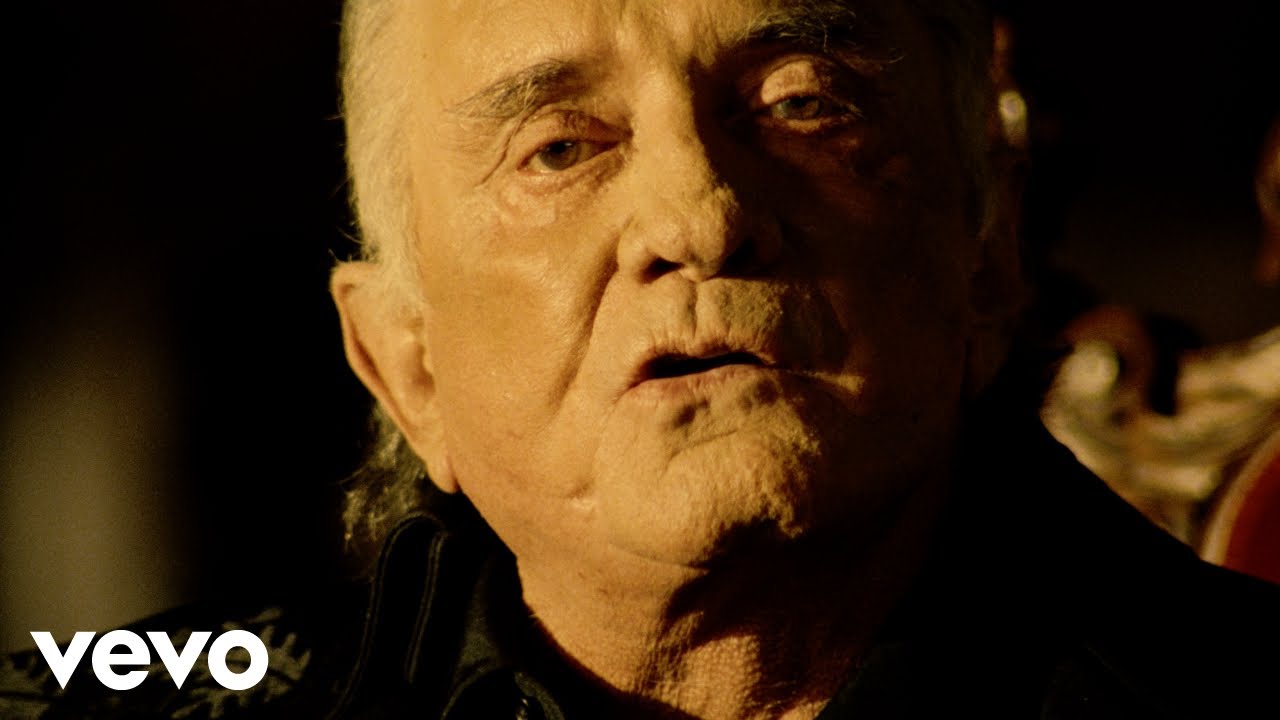
Johnny Cash – Hurt: A Deep Dive into a Timeless Classic
Johnny Cash’s rendition of “Hurt” is a masterpiece that has left an indelible mark on the music world. Released in 2003, this song is a poignant cover of the original by Nine Inch Nails, and it has become an iconic representation of Cash’s unparalleled ability to convey emotion through music. The song’s impact is multifaceted, resonating with listeners on a deeply personal level while also serving as a powerful commentary on the human experience. With its haunting melody, introspective lyrics, and Cash’s unmistakable baritone, “Hurt” is a song that transcends genres and generations, continuing to captivate audiences to this day. In this article, we will delve into the life and career of Johnny Cash, explore the origins and composition of “Hurt,” and examine the song’s musical structure, cultural legacy, and enduring impact.
Johnny Cash: A Cornerstone of Music History
Johnny Cash was a towering figure in American music, with a career spanning over four decades. Born on February 26, 1932, in Kingsland, Arkansas, Cash grew up in a poor farming family and was raised on a diet of gospel music, folk songs, and the blues. He began his music career in the 1950s, singing on local radio stations and eventually signing with Sun Records, where he released his debut single, “Hey Porter,” in 1955. Cash’s early success was marked by hits like “I Walk the Line,” “Folsom Prison Blues,” and “Big River,” which cemented his status as a country music icon.
Throughout his career, Cash was known for his distinctive voice, which was characterized by its deep, resonant tone and his ability to convey a sense of vulnerability and introspection. He was also a prolific songwriter, penning classics like “Sunday Mornin’ Comin’ Down” and “Man in Black,” which addressed social justice issues and the struggles of the common man. Cash’s music was not limited to country, as he explored genres like rock, blues, and gospel, collaborating with artists such as Bob Dylan, Willie Nelson, and Kris Kristofferson. His influence can be heard in a wide range of artists, from rockabilly pioneers like Carl Perkins to contemporary musicians like Chris Cornell and Dave Matthews.
The Origin and Composition of “Hurt”
The song “Hurt” was written by Trent Reznor, the founder and lead singer of Nine Inch Nails, and first appeared on the band’s 1994 album “The Downward Spiral.” The original version of “Hurt” is a brooding, industrial-tinged track that features Reznor’s distinctive vocals and a haunting melody. The song’s lyrics are a poignant exploration of themes such as self-destruction, regret, and the search for redemption. When Johnny Cash decided to cover “Hurt,” he was drawn to the song’s emotional intensity and its universal themes, which resonated deeply with his own life experiences.
Cash’s version of “Hurt” was produced by Rick Rubin, who had previously worked with the artist on his American Recordings series. The song was recorded in 2002, during a period when Cash was struggling with health issues and personal demons. Despite these challenges, Cash delivered a powerful and haunting performance, which was accompanied by a simple yet effective arrangement featuring acoustic guitar, piano, and a string section. The result was a song that was both deeply personal and universally relatable, with Cash’s vocals conveying a sense of vulnerability and introspection that was nothing short of breathtaking.
In the Studio: Recording and Production
The recording of “Hurt” took place at Cash’s home in Tennessee, with Rubin producing and engineering the session. The song was recorded live, with Cash singing and playing acoustic guitar, accompanied by a small ensemble of musicians. The arrangement was deliberately sparse, with a focus on creating a sense of intimacy and emotional intensity. The piano and string parts were added later, with the goal of enhancing the song’s melancholic atmosphere without overpowering Cash’s vocals.
One of the most striking aspects of “Hurt” is its use of space and silence. The song’s arrangement is characterized by long pauses and moments of quiet contemplation, which serve to heighten the emotional impact of Cash’s vocals. The production is also notable for its use of reverb and other audio effects, which create a sense of distance and isolation that adds to the song’s haunting atmosphere. Overall, the recording and production of “Hurt” were marked by a sense of simplicity and restraint, with the goal of creating a song that was both deeply personal and universally relatable.
Lyrical and Thematic Analysis
The lyrics of “Hurt” are a poignant exploration of themes such as regret, self-destruction, and the search for redemption. The song’s opening lines, “What have I become, my sweetest friend?” set the tone for a deeply personal and introspective journey, in which Cash confronts his own mortality and the consequences of his actions. Throughout the song, Cash’s vocals are marked by a sense of vulnerability and introspection, as he grapples with the complexities of his own life and the legacy he will leave behind.
One of the most striking aspects of “Hurt” is its use of imagery and symbolism. The song’s lyrics are filled with vivid descriptions of pain, suffering, and redemption, which serve to create a powerful and haunting atmosphere. The line “Everyone I know goes away in the end” is a particularly poignant example of this, as Cash confronts the reality of his own mortality and the impermanence of human relationships. Overall, the lyrics of “Hurt” are a masterpiece of songwriting, with a depth and complexity that rewards repeated listening and reflection.
Musical Structure and Emotional Resonance
The musical structure of “Hurt” is characterized by a simple yet effective arrangement, featuring acoustic guitar, piano, and a string section. The song’s melody is haunting and introspective, with a focus on creating a sense of emotional intensity and vulnerability. The rhythm is slow and deliberate, with a sense of restraint that serves to heighten the song’s emotional impact. Cash’s vocals are, as always, the centerpiece of the song, with a deep, resonant tone that conveys a sense of authority and conviction.
One of the most striking aspects of “Hurt” is its use of dynamics and contrast. The song’s arrangement is marked by long pauses and moments of quiet contemplation, which serve to create a sense of tension and release. The string section is used sparingly, with a focus on adding depth and texture to the song’s melancholic atmosphere. Overall, the musical structure of “Hurt” is a masterpiece of restraint and subtlety, with a focus on creating a sense of emotional intensity and vulnerability that is nothing short of breathtaking.
Chart Performance and Global Reception
“Hurt” was released in 2003, as part of Cash’s American IV: The Man Comes Around album. The song was a major commercial success, reaching the top 40 on the Billboard Hot 100 chart and earning critical acclaim from around the world. The song’s music video, which featured images of Cash’s life and career, was also widely praised, and won several awards, including a Grammy for Best Short Form Music Video.
The global reception of “Hurt” was overwhelmingly positive, with critics and audiences praising the song’s emotional intensity and vulnerability. The song was hailed as a masterpiece of contemporary music, with many regarding it as one of the greatest songs of the 21st century. The song’s impact was not limited to the music world, as it also resonated with audiences in the film and literary communities, with many citing it as an inspiration for their own work.
Cultural Legacy and Enduring Impact
The cultural legacy of “Hurt” is profound and far-reaching, with the song influencing a wide range of artists and genres. The song’s emotional intensity and vulnerability have made it a benchmark for contemporary music, with many artists citing it as an inspiration for their own work. The song’s use of imagery and symbolism has also been widely praised, with many regarding it as a masterpiece of songwriting.
The song’s enduring impact can be heard in a wide range of genres, from rock and pop to hip-hop and electronic music. Artists such as Chris Cornell, Dave Matthews, and Trent Reznor have all cited “Hurt” as an influence, and the song’s emotional intensity and vulnerability have made it a staple of contemporary music. The song’s music video has also been widely influential, with many artists citing it as an inspiration for their own visual work.
Conclusion: Why “Hurt” Still Matters Today
Johnny Cash’s “Hurt” is a song that continues to resonate with audiences today, over 15 years after its initial release. The song’s emotional intensity and vulnerability make it a powerful and haunting listening experience, with a depth and complexity that rewards repeated listening and reflection. The song’s cultural legacy is profound and far-reaching, with its influence heard in a wide range of genres and artists.
As a work of art, “Hurt” is a masterpiece of contemporary music, with a focus on creating a sense of emotional intensity and vulnerability that is nothing short of breathtaking. The song’s use of imagery and symbolism is vivid and powerful, with a depth and complexity that rewards repeated listening and reflection. The song’s musical structure is simple yet effective, with a focus on creating a sense of tension and release that is both haunting and introspective.
In conclusion, “Hurt” is a song that continues to matter today, with its emotional intensity and vulnerability making it a powerful and haunting listening experience. The song’s cultural legacy is profound and far-reaching, with its influence heard in a wide range of genres and artists. As a work of art, “Hurt” is a masterpiece of contemporary music, with a focus on creating a sense of emotional intensity and vulnerability that is nothing short of breathtaking. Whether you are a longtime fan of Johnny Cash or just discovering his music, “Hurt” is a song that is sure to leave a lasting impression, with its beauty, power, and emotional resonance continuing to inspire and influence audiences for generations to come.