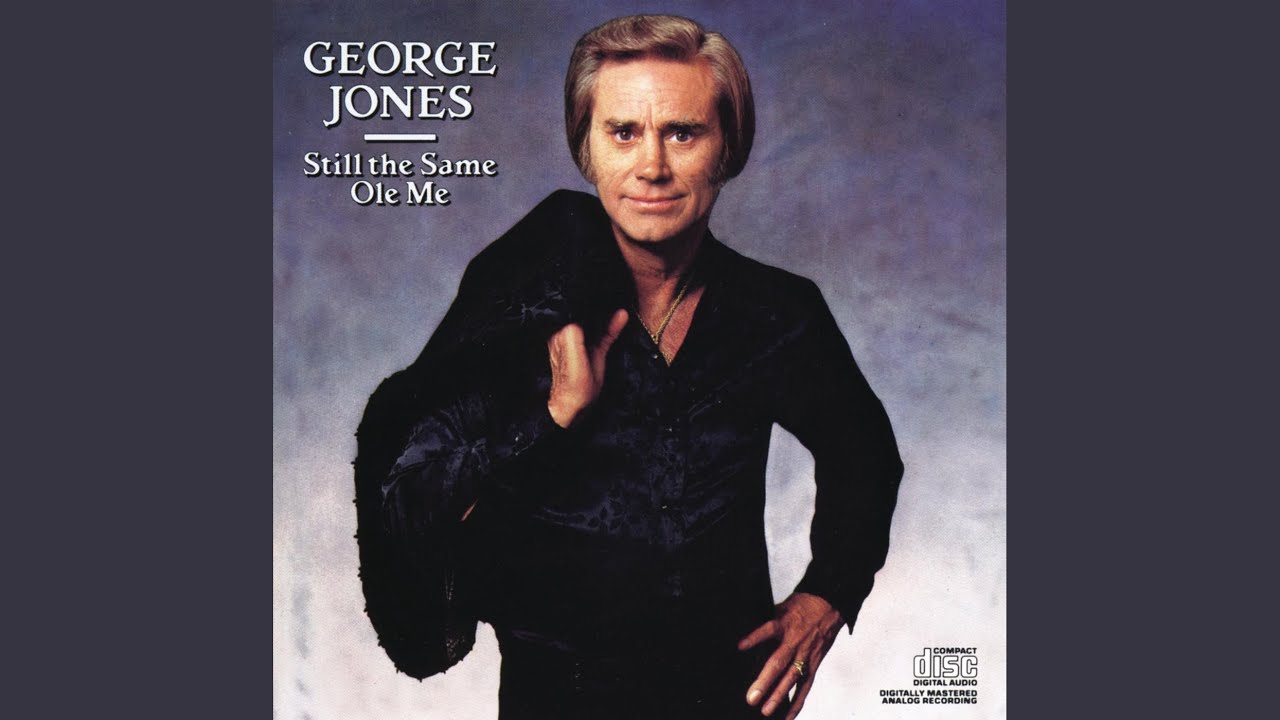
George Jones’ “Same Ole Me”: A Deep Dive into a Timeless Classic
George Jones’ “Same Ole Me” is a country music anthem that has been echoing through the hearts of music lovers for decades. Released in 1982, this song not only marked a significant milestone in Jones’ illustrious career but also cemented his status as one of the most iconic and influential country artists of all time. With its poignant lyrics, soaring melody, and Jones’ unmistakable vocals, “Same Ole Me” has become an integral part of country music’s rich heritage. In this article, we will delve into the world of George Jones, exploring his remarkable life, the origin and composition of “Same Ole Me,” and the song’s enduring legacy.
The impact of “Same Ole Me” can be felt across generations, with its themes of love, heartache, and perseverance resonating deeply with listeners from all walks of life. The song’s ability to transcend time and touch the hearts of people from different eras is a testament to Jones’ mastery of his craft and his unwavering dedication to creating music that speaks to the human experience. As we journey through the story of “Same Ole Me,” we will examine the historical context in which it was created, the musical elements that make it so timeless, and the lasting influence it has had on the music world.
George Jones: A Cornerstone of Music History
George Jones was born on September 12, 1931, in Saratoga, Texas, to a family of modest means. His early life was marked by hardship and struggle, but it was also during this time that he developed a passion for music, particularly country and blues. Jones’ musical journey began when he was given his first guitar at the age of nine, and he quickly became adept at playing and singing. After serving in the Marine Corps, Jones began his professional music career, performing on local radio stations and in bars and clubs throughout Texas.
Jones’ big break came in 1955 when he signed with Starday Records, a small independent label that would become a launching pad for his career. Over the next several years, Jones released a string of successful singles, including “Why Baby Why” and “What Am I Worth,” which helped establish him as a rising star in the country music scene. The 1960s and 1970s were particularly fruitful for Jones, with hits like “She Thinks I Still Care,” “The Window Up Above,” and “Golden Ring” (his iconic duet with Tammy Wynette) solidifying his position as one of country music’s leading artists.
Throughout his career, Jones was known for his unique, soulful voice, which was capable of conveying the deepest emotions with unparalleled authenticity. His ability to connect with listeners on a profound level was a hallmark of his music, and it is this quality that has made his songs, including “Same Ole Me,” enduring classics. Jones’ influence on country music is immeasurable, and he has inspired countless artists, including Willie Nelson, Waylon Jennings, and Alan Jackson, among many others.
The Origin and Composition of “Same Ole Me”
“Same Ole Me” was written by Paul Overstreet, a renowned country songwriter and musician. Overstreet, who has penned hits for artists like Randy Travis, Tanya Tucker, and Keith Whitley, was inspired to write “Same Ole Me” after reflecting on the ups and downs of his own life. The song’s themes of perseverance, love, and the passing of time resonated deeply with Jones, who was immediately drawn to the song’s emotional honesty and relatability.
The story behind “Same Ole Me” is one of hope and redemption, with the song’s narrator looking back on his life and acknowledging the mistakes of his past. Despite the challenges he has faced, the narrator remains committed to his values and the love of his life, and it is this unwavering dedication that gives the song its sense of timelessness and universality. Jones, who had experienced his own share of struggles and setbacks, was deeply moved by the song’s message, and he brought a sense of authenticity and conviction to his recording of “Same Ole Me.”
In the Studio: Recording and Production
The recording of “Same Ole Me” took place in 1982 at Nashville’s Columbia Recording Studios, with Jones working alongside producer Billy Sherrill. Sherrill, who had previously collaborated with Jones on several projects, was instrumental in shaping the song’s sound and arrangement, which featured a combination of acoustic guitar, pedal steel, and subtle percussion.
The session itself was marked by a sense of spontaneity and creativity, with Jones and the musicians working together to craft a performance that was both heartfelt and authentic. Jones’ vocals, which were recorded in a single take, are particularly noteworthy, with his voice conveying the full range of emotions expressed in the song’s lyrics. The resulting recording is a masterclass in understated elegance, with each element of the arrangement working together to create a sense of intimacy and emotional depth.
The production of “Same Ole Me” was characterized by a sense of restraint and subtlety, with Sherrill and Jones opting for a minimalist approach that allowed the song’s core elements to shine. The use of pedal steel, in particular, adds a sense of pathos and longing to the recording, while the acoustic guitar provides a sense of simplicity and directness. The overall effect is one of haunting beauty, with the song’s melody and lyrics working together to create a sense of timelessness and enduring appeal.
Lyrical and Thematic Analysis
The lyrics of “Same Ole Me” are a powerful exploration of the human experience, with the song’s themes of love, perseverance, and the passing of time resonating deeply with listeners. The song’s narrator, who is looking back on his life and acknowledging the mistakes of his past, is a deeply relatable figure, and his story is one that transcends generations and genres.
One of the key themes of “Same Ole Me” is the concept of personal growth and transformation. Despite the challenges he has faced, the song’s narrator remains committed to his values and the love of his life, and it is this sense of continuity and devotion that gives the song its sense of hope and redemption. The lyrics are also notable for their sense of humility and self-awareness, with the narrator acknowledging his own flaws and weaknesses, and expressing a deep sense of gratitude for the love and support of those around him.
The song’s exploration of the passing of time is another significant theme, with the narrator reflecting on the ways in which life has changed and evolved over the years. This theme is particularly poignant in the context of Jones’ own life, which was marked by both professional triumph and personal struggle. The song’s message of hope and perseverance is one that clearly resonated with Jones, and it is this sense of emotional authenticity that makes “Same Ole Me” such a powerful and enduring song.
Musical Structure and Emotional Resonance
The musical structure of “Same Ole Me” is characterized by a sense of simplicity and directness, with the song’s melody and harmony working together to create a sense of intimacy and emotional depth. The use of acoustic guitar and pedal steel adds a sense of warmth and texture to the recording, while Jones’ vocals bring a sense of authenticity and conviction to the song’s lyrics.
The song’s melody is particularly noteworthy, with its soaring chorus and poignant verse creating a sense of dynamic contrast and emotional range. The harmony is also notable for its sense of subtlety and restraint, with the use of minor chords and suspended chords adding a sense of tension and release to the song’s arrangement. The overall effect is one of haunting beauty, with the song’s melody and lyrics working together to create a sense of timelessness and enduring appeal.
The emotional resonance of “Same Ole Me” is a key aspect of its enduring appeal, with the song’s themes of love, perseverance, and the passing of time resonating deeply with listeners. The song’s sense of intimacy and emotional honesty is particularly noteworthy, with Jones’ vocals bringing a sense of authenticity and conviction to the song’s lyrics. The resulting recording is a masterclass in emotional storytelling, with the song’s melody, harmony, and lyrics working together to create a sense of depth and complexity that continues to inspire and move listeners to this day.
Chart Performance and Global Reception
“Same Ole Me” was a major commercial success, reaching the top of the Billboard Country charts in 1982 and staying there for several weeks. The song’s success was not limited to the United States, with “Same Ole Me” also charting in several other countries, including Canada and Australia.
The song’s global reception was overwhelmingly positive, with critics and listeners alike praising the song’s emotional honesty, poetic lyrics, and soaring melody. The song’s success helped to cement Jones’ status as one of country music’s leading artists, and it remains one of his most beloved and enduring songs. The song’s impact was also felt beyond the country music scene, with “Same Ole Me” influencing a wide range of artists and genres, from rock and pop to blues and folk.
Cultural Legacy and Enduring Impact
The cultural legacy of “Same Ole Me” is a profound and lasting one, with the song’s themes of love, perseverance, and the passing of time continuing to resonate with listeners around the world. The song’s influence can be heard in the music of countless artists, from Willie Nelson and Waylon Jennings to Alan Jackson and Chris Stapleton.
The song’s enduring impact is a testament to the power of country music to transcend generations and genres, and to the timeless appeal of Jones’ music. The song’s influence can also be seen in the wider cultural landscape, with “Same Ole Me” appearing in films, television shows, and commercials, and being covered by artists from a wide range of genres.
The song’s legacy is also reflected in its continued popularity, with “Same Ole Me” remaining one of Jones’ most beloved and enduring songs. The song’s themes and messages continue to resonate with listeners, and its influence can be heard in the music of countless artists. The song’s impact is a lasting tribute to Jones’ artistry and legacy, and a reminder of the enduring power of country music to inspire and move listeners.
Conclusion: Why “Same Ole Me” Still Matters Today
George Jones’ “Same Ole Me” is a timeless classic that continues to inspire and move listeners around the world. The song’s themes of love, perseverance, and the passing of time are as relevant today as they were when the song was first released, and its influence can be heard in the music of countless artists. The song’s enduring legacy is a testament to the power of country music to transcend generations and genres, and to the timeless appeal of Jones’ music.
The song’s impact on the music world is immeasurable, with “Same Ole Me” influencing a wide range of artists and genres. The song’s influence can be heard in the music of Willie Nelson, Waylon Jennings, and Alan Jackson, among many others, and its themes and messages continue to resonate with listeners today. The song’s legacy is a lasting tribute to Jones’ artistry and legacy, and a reminder of the enduring power of country music to inspire and move listeners.
In conclusion, “Same Ole Me” is a song that continues to matter today, with its themes and messages remaining as relevant and powerful as ever. The song’s enduring legacy is a testament to the timeless appeal of Jones’ music, and a reminder of the impact that country music can have on our lives. As we look back on the history of country music, “Same Ole Me” stands out as a classic that will continue to inspire and move listeners for generations to come.