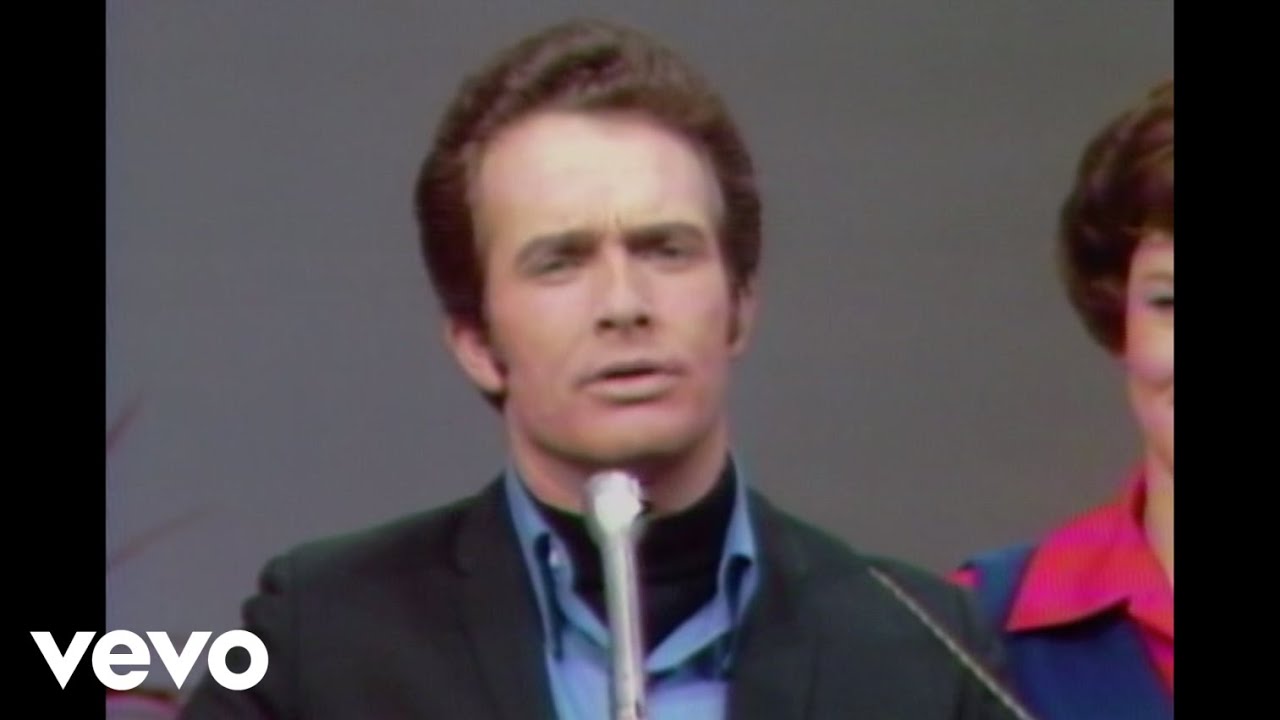
Merle Haggard’s “Okie from Muskogee”: A Deep Dive into a Timeless Classic
Merle Haggard’s “Okie from Muskogee” is a song that has been etched in the annals of music history, standing as a testament to the power of country music to capture the essence of a generation. Released in 1969, during a time of great social upheaval in the United States, “Okie from Muskogee” became an anthem for those who felt disillusioned with the counterculture movement and the changing values of the time. The song’s impact was immediate and profound, resonating with a wide audience and catapulting Merle Haggard to the forefront of the country music scene. With its catchy melody, straightforward lyrics, and unmistakable twang, “Okie from Muskogee” has become an iconic representation of American music, symbolizing the heartland values and the spirit of a bygone era.
The song’s significance extends beyond its chart-topping success, as it tapped into the cultural zeitgeist of the late 1960s, speaking to the concerns and anxieties of a nation torn apart by war, social unrest, and political division. As a cultural artifact, “Okie from Muskogee” offers a unique window into the complexities of American society during this pivotal moment, reflecting both the fears and the aspirations of a generation. This article will delve into the song’s history, analyzing its composition, production, and lyrical themes, as well as its enduring legacy and impact on the music world.
Merle Haggard: A Cornerstone of Music History
Merle Haggard was a country music legend, a singer-songwriter, and musician who played a pivotal role in shaping the genre. Born on April 6, 1937, in Oildale, California, Haggard grew up in a poor family and was exposed to music from an early age. His early life was marked by hardship and struggle, with his father passing away when Merle was just nine years old. This experience would later influence his music, as he often wrote about the struggles of the working class and the plight of the common man.
Haggard’s entry into the music world was far from conventional. He began his career in the 1950s, performing in local bars and clubs, and eventually landed a recording contract with Tally Records. However, it was not until the 1960s that he achieved mainstream success, with the release of his hit single “Sing Me Back Home.” This song, which tells the story of a man on death row, showcased Haggard’s unique ability to craft compelling narratives and his distinctive vocal style, which blended elements of country, blues, and folk music.
Throughout his career, Merle Haggard was known for his unwavering commitment to his art and his unapologetic approach to songwriting. He was a true original, unafraid to tackle tough subjects and challenge the status quo. His music reflected his roots in traditional country, but he was also willing to experiment and push the boundaries of the genre. This innovative spirit, combined with his incredible talent and dedication, earned him a place among the most influential country artists of all time.
The Origin and Composition of “Okie from Muskogee”
“Okie from Muskogee” was written by Merle Haggard and Roy Edward Burris, a songwriter and musician who had previously worked with Haggard. The song’s origins are often attributed to a conversation between Haggard and Burris, in which they discussed the growing divide between the counterculture movement and the traditional values of Middle America. Burris, who was from Oklahoma, shared his experiences of being ridiculed for his rural upbringing and his conservative views, and Haggard was inspired to write a song that would give voice to these sentiments.
The composition of “Okie from Muskogee” is notable for its simplicity and directness. The song features a straightforward melody, with a catchy chorus and a memorable hook. The lyrics, which speak to the pride and values of the common man, are both deeply personal and universally relatable. Haggard’s vocal delivery, with its distinctive twang and heartfelt conviction, brings the song to life, imbuing it with a sense of authenticity and sincerity.
The story behind “Okie from Muskogee” is also closely tied to the cultural context of the late 1960s. The song was written during a time of great social change, with the counterculture movement gaining momentum and the Vietnam War dividing the nation. Haggard, who had previously spoken out against the war and the excesses of the counterculture, saw “Okie from Muskogee” as an opportunity to express his own views and values. The song’s message, which celebrates the simplicity and honesty of rural life, can be seen as a reaction against the perceived decadence and nihilism of the urban counterculture.
In the Studio: Recording and Production
The recording of “Okie from Muskogee” took place in June 1969, at the Bradley’s Barn studio in Mount Juliet, Tennessee. The session was produced by Kelso Herston, who had previously worked with Haggard on several occasions. The band, which included Haggard’s longtime collaborators, the Strangers, featured a mix of seasoned musicians and younger players, all of whom were deeply committed to Haggard’s vision.
The production of “Okie from Muskogee” is notable for its use of traditional country instruments, including pedal steel guitar, fiddle, and banjo. The song’s arrangement, which features a simple but effective melody, allows Haggard’s vocal to take center stage. The recording process was characterized by a sense of spontaneity and creativity, with the band working together to craft a unique and memorable sound.
The vocal arrangements on “Okie from Muskogee” are also worthy of note. Haggard’s voice, with its distinctive twang and heartfelt conviction, is the perfect vehicle for the song’s message. The harmonies, which feature the Strangers’ vocalist, Bonnie Owens, add a sense of depth and richness to the recording, underscoring the song’s themes of community and solidarity.
Lyrical and Thematic Analysis
The lyrics of “Okie from Muskogee” are a powerful expression of the values and concerns of the common man. The song’s narrator, who proudly declares himself an “Okie from Muskogee,” speaks to the importance of traditional values, such as hard work, patriotism, and family. The lyrics also contain a sense of nostalgia and longing, as the narrator reflects on the changing times and the erosion of the values he holds dear.
One of the key themes of “Okie from Muskogee” is the concept of identity and belonging. The song’s narrator is deeply rooted in his community and his heritage, and he sees himself as part of a larger tradition of American values. This sense of identity is closely tied to the idea of place and geography, with the narrator proudly declaring his roots in Oklahoma and his connection to the land.
The song’s lyrics also contain a sense of social commentary, as the narrator reflects on the changing values and mores of the time. The line “we don’t smoke marijuana in Muskogee,” for example, is often seen as a reference to the growing counterculture movement and the perceived decadence of urban life. However, the song’s message is not simply one of reaction or conservatism; rather, it is a nuanced and complex exploration of the tensions between tradition and change.
Musical Structure and Emotional Resonance
The musical structure of “Okie from Muskogee” is characterized by a simple but effective melody, which features a catchy chorus and a memorable hook. The song’s harmony, which is built around a series of pedal steel guitar chords, adds a sense of depth and richness to the recording. The rhythm, which features a strong backbeat and a driving beat, underscores the song’s themes of energy and momentum.
The emotional resonance of “Okie from Muskogee” is deeply tied to the song’s lyrical themes and Haggard’s vocal delivery. The song’s message, which speaks to the values and concerns of the common man, is deeply relatable and authentic. Haggard’s voice, with its distinctive twang and heartfelt conviction, brings the song to life, imbuing it with a sense of sincerity and emotion.
The song’s melody, which is both catchy and memorable, is also a key factor in its emotional resonance. The melody, which features a series of simple but effective phrases, is perfectly suited to the song’s lyrical themes and Haggard’s vocal style. The use of pedal steel guitar, which adds a sense of pathos and longing to the recording, is also noteworthy, as it underscores the song’s themes of nostalgia and loss.
Chart Performance and Global Reception
“Okie from Muskogee” was a major commercial success, reaching the top of the Billboard country charts in 1969. The song’s success was not limited to the United States, as it also gained popularity in other countries, including Canada and Australia. The song’s global reception was characterized by a sense of curiosity and fascination, as listeners around the world were drawn to its unique blend of country music and social commentary.
The song’s chart performance was also notable for its longevity, as it remained on the Billboard charts for several months. The song’s success can be attributed to a combination of factors, including its catchy melody, memorable lyrics, and Haggard’s distinctive vocal style. The song’s production, which featured a mix of traditional country instruments and modern recording techniques, was also widely praised, as it helped to create a unique and memorable sound.
The global reception of “Okie from Muskogee” was also marked by a sense of controversy and debate. Some listeners saw the song as a reactionary and conservative statement, while others viewed it as a powerful expression of the values and concerns of the common man. The song’s message, which spoke to the tensions between tradition and change, was widely discussed and debated, as it tapped into the cultural zeitgeist of the late 1960s.
Cultural Legacy and Enduring Impact
“Okie from Muskogee” has had a profound and lasting impact on the music world, influencing a wide range of artists and genres. The song’s unique blend of country music and social commentary has inspired countless musicians, from outlaw country artists like Willie Nelson and Waylon Jennings to contemporary country-rock bands like Zac Brown Band and Jason Aldean.
The song’s cultural legacy extends beyond the music world, as it has become a cultural touchstone and a symbol of American values. The song’s message, which speaks to the importance of tradition, community, and patriotism, has resonated with listeners around the world, as it taps into a deep sense of nostalgia and longing for a simpler, more innocent time.
The song’s enduring impact can also be seen in its continued popularity and influence. “Okie from Muskogee” remains one of the most beloved and iconic country songs of all time, with its catchy melody and memorable lyrics continuing to inspire new generations of musicians and fans. The song’s influence can be heard in a wide range of musical genres, from country and rock to folk and Americana, as it continues to shape and inform the sound of American music.
Conclusion: Why “Okie from Muskogee” Still Matters Today
“Okie from Muskogee” is a song that continues to matter today, as its message and themes remain deeply relevant to contemporary American society. The song’s exploration of the tensions between tradition and change, its celebration of the values and concerns of the common man, and its powerful expression of nostalgia and longing all speak to a deep sense of uncertainty and dislocation in modern American life.
The song’s cultural legacy and enduring impact are a testament to the power of music to capture the essence of a generation and to inspire new generations of musicians and fans. “Okie from Muskogee” is a song that will continue to be celebrated and enjoyed for years to come, as its unique blend of country music and social commentary continues to resonate with listeners around the world.
In conclusion, “Okie from Muskogee” is a song that has left an indelible mark on the music world, as it continues to inspire and influence new generations of musicians and fans. The song’s message, which speaks to the importance of tradition, community, and patriotism, remains deeply relevant to contemporary American society, as it taps into a deep sense of nostalgia and longing for a simpler, more innocent time. As a cultural artifact, “Okie from Muskogee” offers a unique window into the complexities of American society during the late 1960s, reflecting both the fears and the aspirations of a generation. The song’s enduring impact is a testament to the power of music to capture the essence of a generation and to inspire new generations of musicians and fans.