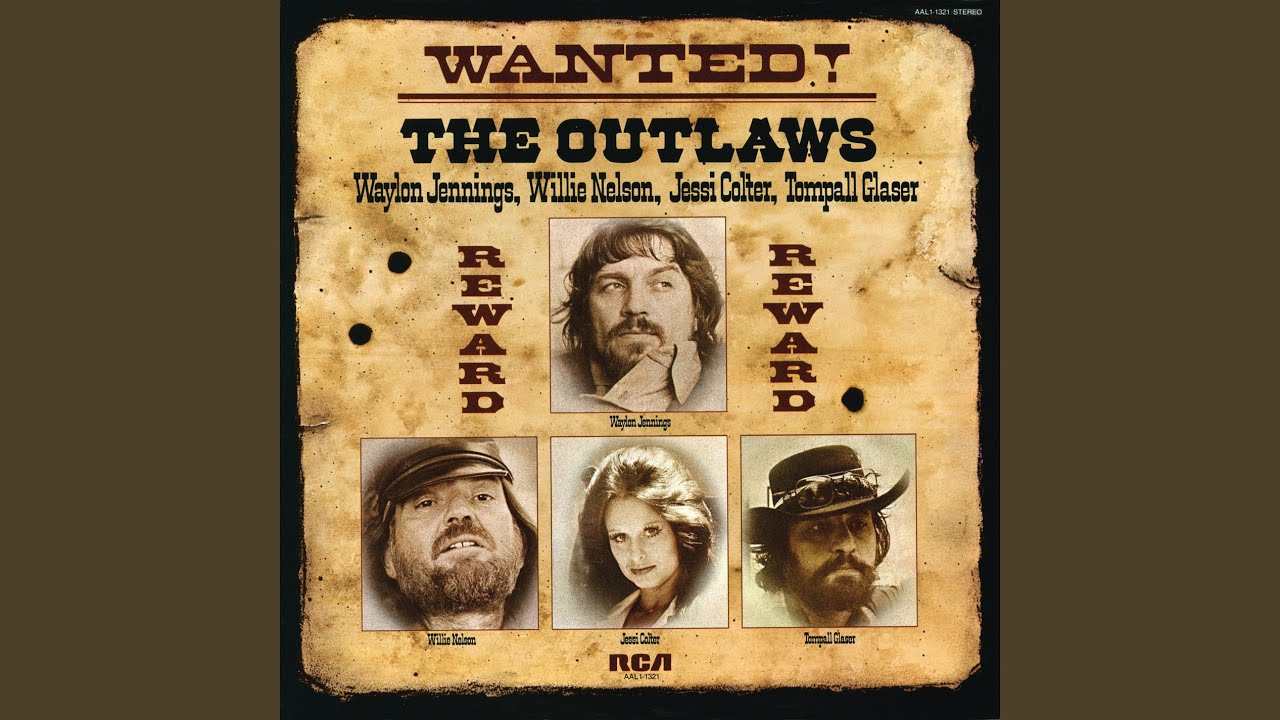
Waylon Jennings’ “Honky Tonk Heroes”: A Deep Dive into a Timeless Classic
In the pantheon of country music, few songs resonate as profoundly as Waylon Jennings’ “Honky Tonk Heroes.” Released in 1973 as the title track of his album, this song not only defined an era but also solidified Jennings’ status as one of the genre’s most influential voices. It encapsulates the spirit of the honky-tonk culture, weaving tales of heartbreak, resilience, and a love for music that transcends the mundane. As we explore the nuances of this song, it becomes evident why “Honky Tonk Heroes” remains a timeless classic, influencing generations of musicians and capturing the hearts of fans across the globe.
Waylon Jennings: A Cornerstone of Music History
Waylon Jennings was born on June 15, 1937, in Littlefield, Texas. His journey into music began at a young age, influenced by the sounds of country, rock, and blues that surrounded him. Jennings’ career took off in the 1950s when he began working as a disc jockey and recording artist. He was initially part of the Nashville Sound, a style that emphasized polished production and orchestration, but he soon rebelled against these conventions, leading to the creation of the Outlaw Country movement in the 1970s.
Alongside contemporaries like Willie Nelson, Johnny Cash, and Kris Kristofferson, Jennings forged a path that embraced authenticity and raw emotion, steering country music away from its mainstream constraints. His music often reflected the struggles and triumphs of everyday people, resonating deeply with audiences. “Honky Tonk Heroes” is a prime example of this ethos, encapsulating the essence of the working-class hero who finds solace in music and camaraderie.
The Origin and Composition of “Honky Tonk Heroes”
“Honky Tonk Heroes” was penned by the legendary songwriter Billy Joe Shaver, who was a pivotal figure in the Outlaw Country movement. Written in the early 1970s, the song emerged from Shaver’s own experiences and observations of life in honky-tonks across Texas. The narrative captures the essence of the honky-tonk lifestyle, with its late-night escapades, heartfelt ballads, and the unyielding spirit of those who inhabit these vibrant venues.
Shaver’s lyrics speak to the struggles of the working class, illustrating a world where music serves as both an escape and a lifeline. The song was recorded during a time when Jennings was looking to redefine his sound and image, and Shaver’s words provided the perfect canvas for this transformation. Jennings’ interpretation of “Honky Tonk Heroes” not only brought Shaver’s vision to life but also infused it with his own unique flair, making it an anthem for a generation.
In the Studio: Recording and Production
The recording of “Honky Tonk Heroes” took place at Hillbilly Central, a legendary studio in Nashville, Tennessee. Produced by the innovative and often controversial figure, Neil Resch, the session was characterized by a laid-back atmosphere that encouraged creativity and spontaneity. Jennings and his band, including renowned guitarist and producer, Tompall Glaser, sought to capture the raw energy of a live honky-tonk performance.
The production techniques used during the recording sessions were groundbreaking for their time. Jennings and his team aimed to strip down the overly polished sounds that were characteristic of the Nashville Sound, opting instead for a more authentic and gritty approach. The instrumentation featured traditional country elements, including electric guitars, steel guitars, and fiddles, all of which contributed to the song’s distinctive sound. Jennings’ raspy vocals, combined with the rich harmonies of his band, created a sonic landscape that felt both immediate and timeless.
Lyrical and Thematic Analysis
The lyrics of “Honky Tonk Heroes” paint a vivid picture of the honky-tonk lifestyle, filled with tales of heartache, resilience, and the camaraderie of fellow musicians. The song opens with the line, “Well, the honky tonk heroes, they’re the ones that I admire,” immediately establishing a sense of reverence for those who have come before. This line serves as a tribute to the artists who have shaped the honky-tonk genre, highlighting the importance of storytelling in country music.
Throughout the song, Jennings speaks to the struggles faced by these heroes, who often grapple with their own demons while finding solace in the music they create. The recurring theme of perseverance resonates deeply with listeners, as it captures the essence of human experience – the highs and lows that come with pursuing one’s passion. The lyrics also reflect a sense of nostalgia, evoking memories of late-night sing-alongs and the warm glow of neon lights in a honky-tonk bar.
Musical Structure and Emotional Resonance
Musically, “Honky Tonk Heroes” is structured around a classic verse-chorus format, which is a staple in country music. The melody is catchy yet soulful, embodying the spirit of the honky-tonk lifestyle. The verses feature a straightforward chord progression, allowing Jennings’ emotive vocals to take center stage. The chorus bursts forth with an anthemic quality, inviting listeners to sing along and immerse themselves in the experience.
The harmony in “Honky Tonk Heroes” is rich and layered, with the interplay between Jennings’ lead vocals and the backing harmonies creating a sense of depth. The instrumentation is equally compelling, with the twang of the electric guitar complementing the smooth tones of the steel guitar, producing a sound that is both nostalgic and fresh. The rhythm section drives the song forward, providing a steady pulse that mirrors the heartbeat of the honky-tonk scene.
Jennings’ vocal delivery is another highlight of the song. His signature raspy voice conveys a sense of authenticity and emotion, drawing listeners into the narrative. The way he phrases certain lines adds an extra layer of meaning, allowing the listener to feel the weight of the lyrics. This emotional resonance is a key factor in the song’s enduring appeal, as it speaks to universal experiences of love, loss, and the power of music to heal.
Chart Performance and Global Reception
Upon its release, “Honky Tonk Heroes” quickly gained traction on the charts, reaching number one on the Billboard Hot Country Songs chart. This success marked a significant turning point in Jennings’ career, solidifying his status as a leading figure in the Outlaw Country movement. The song’s popularity can be attributed not only to Jennings’ star power but also to the relatable themes and catchy melodies that resonated with audiences across the United States.
Internationally, “Honky Tonk Heroes” received acclaim as well, helping to introduce the Outlaw Country genre to audiences in Europe and beyond. Jennings’ raw and authentic style appealed to fans who were seeking a more genuine representation of country music, setting the stage for future artists to explore similar themes in their work.
Cultural Legacy and Enduring Impact
The impact of “Honky Tonk Heroes” on the country music landscape cannot be overstated. The song served as a blueprint for countless artists who followed in Jennings’ footsteps, inspiring a wave of musicians to embrace their individuality and tell their own stories. Its influence can be seen in the works of contemporary artists such as Sturgill Simpson, Chris Stapleton, and Kacey Musgraves, who have all drawn from the themes and sounds established by Jennings and his contemporaries.
Moreover, “Honky Tonk Heroes” has left an indelible mark on popular culture, frequently referenced in films, television shows, and various media. The song’s themes of resilience and the celebration of the working class continue to resonate with audiences today, providing a sense of comfort and solidarity in an increasingly complex world. Its timeless message invites new generations to discover and engage with the rich history of country music.
Conclusion: Why “Honky Tonk Heroes” Still Matters Today
In conclusion, Waylon Jennings’ “Honky Tonk Heroes” stands as a testament to the power of music to transcend time and connect people across generations. Its rich narrative, emotive delivery, and authentic sound encapsulate the essence of the honky-tonk lifestyle, making it a beloved classic in the realm of country music. As we reflect on its impact, it becomes clear that the song’s themes of resilience, camaraderie, and the love for music continue to resonate deeply with audiences today.
As new artists emerge and the landscape of country music evolves, “Honky Tonk Heroes” remains a cornerstone, reminding us of the genre’s roots and the enduring spirit of those who dare to tell their stories. Waylon Jennings’ legacy lives on through this timeless classic, serving as an inspiration for all who seek to find their voice in the world of music.