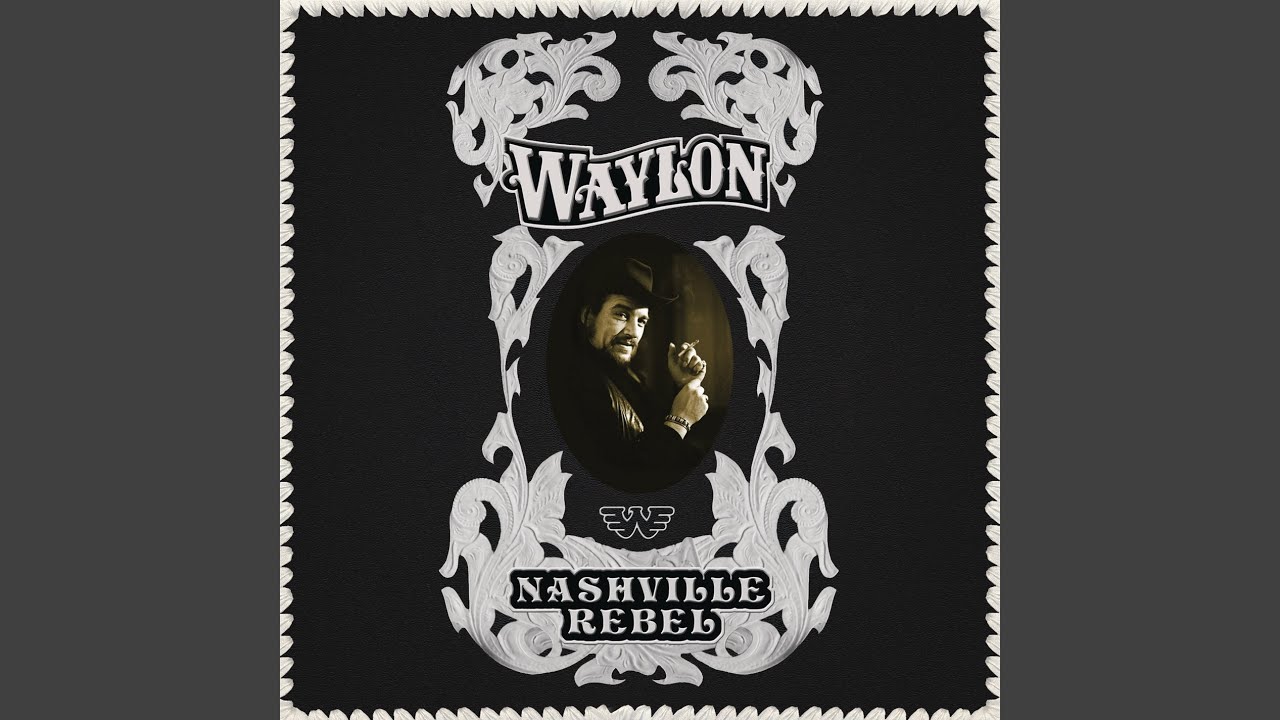
Waylon Jennings’ “Waymore’s Blues”: A Deep Dive into a Timeless Classic
In the pantheon of American country music, few songs resonate with the same raw authenticity and emotional depth as Waylon Jennings’ “Waymore’s Blues.” Released in 1975 as part of the album “Dreaming My Dreams,” this track encapsulates the spirit of rebellion and the quest for freedom that defined both Jennings’ career and the broader outlaw country movement. With its poignant lyrics, distinctive sound, and heartfelt delivery, “Waymore’s Blues” not only solidified Jennings’ status as a country music icon but also left an indelible mark on the genre itself. The song’s impact continues to reverberate through the decades, reminding listeners of the power of storytelling in music and the importance of being true to oneself.
Waylon Jennings: A Cornerstone of Music History
Waylon Jennings was born in Littlefield, Texas, on June 15, 1937. He grew up in a working-class family and was exposed to music from an early age, influenced by the sounds of Hank Williams, Johnny Cash, and the burgeoning rock and roll movement. Jennings’ journey into the music industry began in the late 1950s when he joined Buddy Holly’s band as a bassist. This association would lead to a pivotal moment in Jennings’ career when he famously gave up his seat on the ill-fated plane that crashed in 1959, killing Holly and several others. This tragic event marked the beginning of Jennings’ transformation from a budding musician to a legendary figure in country music.
Throughout the 1960s, Jennings struggled to find his place within the Nashville establishment, which often favored a polished, commercial sound over the raw, gritty style he preferred. In response, he became a leading figure in the outlaw country movement of the 1970s, which sought to break free from the constraints of mainstream country music. His unique blend of rock, country, and folk elements, along with his distinct baritone voice, helped shape a new sound that resonated with audiences across the nation. Jennings’ influence extended beyond his own recordings; he paved the way for countless artists who sought to express their individuality and authenticity in a genre often characterized by formulaic conventions.
The Origin and Composition of “Waymore’s Blues”
“Waymore’s Blues” was written by Jennings himself, showcasing his ability to blend autobiographical elements with universal themes of love, loss, and the pursuit of happiness. The song was composed during a tumultuous period in Jennings’ life, marked by personal struggles and the pressures of fame. The title “Waymore” is a nod to Jennings’ nickname, a play on his last name, and the bluesy undertones reflect his feelings of restlessness and longing for freedom.
The song’s genesis can be traced back to Jennings’ desire to articulate the experiences of someone constantly on the move, grappling with the highs and lows of life on the road. Jennings’ life as a touring musician provided ample material for his songwriting, and “Waymore’s Blues” captures the essence of that journey—both the exhilarating moments and the deep sense of isolation that often accompanies it. The song’s narrative is steeped in authenticity, as Jennings draws from his own experiences to create a relatable and poignant reflection on the human condition.
In the Studio: Recording and Production
The studio sessions were marked by a sense of camaraderie among the musicians, many of whom were part of Jennings’ inner circle. The authenticity of the recording is palpable, as the band captured the raw energy of live performances while still achieving a polished sound. The iconic guitar riff that opens the track sets the tone for the entire song, providing a backdrop for Jennings’ soulful delivery. The interplay between the instruments and Jennings’ voice creates a dynamic listening experience, drawing the audience into the emotional landscape of the song.
Lyrical and Thematic Analysis
The lyrics of “Waymore’s Blues” are deeply introspective, reflecting Jennings’ struggles with identity, purpose, and the transient nature of life as a musician. The opening lines evoke a sense of longing and nostalgia, as Jennings contemplates his place in the world and the choices he has made. The recurring theme of being “way more” than just a traveling musician highlights his desire for deeper meaning and connection beyond the superficiality of fame.
As the song progresses, Jennings delves into the complexities of relationships, particularly the impact of his lifestyle on those he loves. The lyrics resonate with anyone who has experienced the challenges of balancing ambition with personal connections. Jennings’ candid exploration of vulnerability and regret adds layers of depth to the song, setting it apart from typical country ballads that often focus solely on love and heartbreak.
Thematically, “Waymore’s Blues” speaks to the human experience—capturing the essence of the search for purpose and belonging. In a time when society was grappling with changes and upheaval, Jennings’ message of authenticity and self-acceptance struck a chord with listeners, making it not just a personal anthem but a generational one.
Musical Structure and Emotional Resonance
The tempo of the song is moderate, allowing for a reflective listening experience. Jennings’ vocal delivery is raw and powerful, filled with emotion that resonates with listeners on a personal level. His ability to convey vulnerability while maintaining a sense of strength is a hallmark of his style, and “Waymore’s Blues” exemplifies this perfectly. The emotional resonance of the song is heightened by the instrumental arrangement, which features subtle embellishments that enhance the overall mood without overshadowing the lyrics.
Chart Performance and Global Reception
The global reception of “Waymore’s Blues” was overwhelmingly positive, with critics praising Jennings for his authentic approach to songwriting and performance. The song became a staple in Jennings’ live shows, further cementing its place in the hearts of fans. Over the years, “Waymore’s Blues” has been covered and interpreted by various artists, showcasing its enduring appeal and influence across genres.
Cultural Legacy and Enduring Impact
The cultural legacy of “Waymore’s Blues” extends far beyond its chart performance. The song played a significant role in shaping the outlaw country movement, which challenged the conventions of mainstream country music and celebrated a more authentic, raw sound. Jennings’ willingness to be vulnerable in his songwriting inspired countless artists to follow suit, paving the way for a new generation of musicians who sought to tell their stories honestly and without pretense.
In the years since its release, “Waymore’s Blues” has been referenced and covered by a diverse array of artists, spanning genres from country to rock and beyond. Its themes of self-discovery, longing, and the search for meaning continue to resonate, making it a timeless classic that speaks to the human experience. The song’s influence can be seen in the work of contemporary artists who draw inspiration from Jennings’ authenticity and willingness to push boundaries.
Conclusion: Why “Waymore’s Blues” Still Matters Today
In conclusion, “Waymore’s Blues” stands as a testament to Waylon Jennings’ artistry and the power of music to convey deep emotions and universal truths. The song’s rich lyrical content, combined with its innovative musical arrangement, has ensured its place in the annals of music history. As we navigate an increasingly complex world, the message of authenticity, vulnerability, and the pursuit of meaning in “Waymore’s Blues” remains relevant and poignant.
Whether you’re a long-time fan of Jennings or discovering his music for the first time, “Waymore’s Blues” invites listeners to reflect on their own journeys, reminding us all that, despite the challenges we face, the pursuit of truth and self-acceptance is a path worth taking. With its enduring legacy and cultural significance, “Waymore’s Blues” is not just a song; it is a timeless anthem for those seeking their place in the world.
—