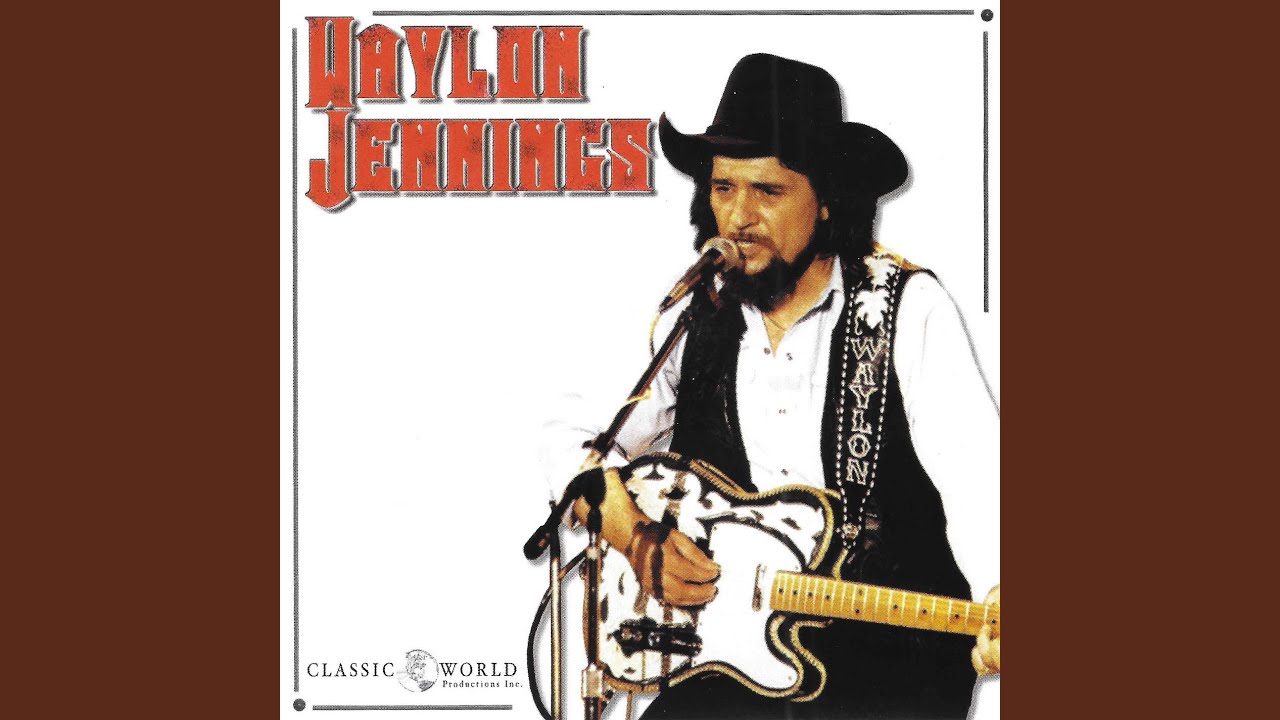
Waylon Jennings’ “Don’t Think Twice, It’s All Right”: A Deep Dive into a Timeless Classic
“Don’t Think Twice, It’s All Right” is a song that resonates deeply within the tapestry of American music. Originally penned by Bob Dylan in 1963, it has been interpreted and covered by numerous artists, but Waylon Jennings’ rendition stands out as a defining moment in his career and in country music history. The song, with its poignant lyrics and haunting melody, encapsulates themes of heartbreak, resilience, and introspection, making it a timeless classic that continues to resonate with audiences today. Jennings, a pivotal figure in the Outlaw Country movement, infused the song with his unique vocal style and emotional depth, transforming it into a piece that speaks to the human experience in profound ways. In this exploration, we will delve into the various facets of Jennings’ interpretation, the song’s historical context, musical intricacies, and its enduring legacy.
Waylon Jennings: A Cornerstone of Music History
Born on June 15, 1937, in Littlefield, Texas, Waylon Jennings emerged as a groundbreaking figure in the country music scene. His early career was marked by various musical influences, ranging from rock and roll to traditional country, which would shape his unique sound. Jennings first gained prominence in the 1960s, initially as part of the Nashville sound but soon sought to break away from its constraints. This desire led him to become one of the leading figures of the Outlaw Country movement in the 1970s, a genre characterized by a raw and authentic approach to songwriting and performance.
Jennings’ influence extended far beyond his own recordings; he redefined the genre, paving the way for artists who sought to express their individuality rather than conforming to industry standards. His collaborations with fellow Outlaw artists like Willie Nelson and Johnny Cash further solidified his status as a cornerstone of American music. Waylon Jennings was not just a performer; he was a storyteller, a rebel, and a voice for those who felt marginalized in the mainstream music industry.
The Origin and Composition of “Don’t Think Twice, It’s All Right”
“Don’t Think Twice, It’s All Right” was written by Bob Dylan and first appeared on his 1963 album “The Freewheelin’ Bob Dylan.” The song is notable for its poignant lyrics that reflect the complexities of love and parting. Dylan wrote it during a time when he was experiencing personal turmoil, particularly in his romantic life. The song’s reflective tone captures the essence of resignation and acceptance, themes that resonate with many listeners.
While Jennings’ version was released in 1970 on his album “Waylon Sings Ol’ Harlan,” it was not just a cover; it was an interpretation that brought new life to the song. Jennings’ rendition transformed the reflective nature of the lyrics into a narrative of strength and defiance, a hallmark of his musical style. His ability to convey deep emotion through his voice allowed him to connect with the audience on a profound level, giving the song a renewed sense of urgency and relevance.
In the Studio: Recording and Production
The recording of “Don’t Think Twice, It’s All Right” was a pivotal moment for Jennings, showcasing his unique blend of country and rock influences. The session took place in Nashville, where Jennings was known for his desire to bring a more authentic sound to the recordings. He often collaborated with producer and friend, Cowboy Jack Clement, who shared his vision of breaking away from the polished Nashville sound that dominated the industry.
In the studio, Jennings opted for a stripped-down approach, favoring a raw and organic sound. The instrumentation featured acoustic guitars, a subtle rhythm section, and Jennings’ distinctive baritone voice at the forefront. The production was intentionally minimalistic, allowing the emotional weight of the lyrics to shine through. This approach not only highlighted Jennings’ vocal prowess but also mirrored the sentiments of the song itself—simplicity intertwined with complexity.
Lyrical and Thematic Analysis
The lyrics of “Don’t Think Twice, It’s All Right” encapsulate a sense of resignation and acceptance in the face of heartbreak. The recurring phrase “don’t think twice” serves as both a warning and a form of self-encouragement, suggesting that dwelling on past relationships can be detrimental. Jennings’ interpretation emphasizes the bittersweet nature of these sentiments, transforming them into an anthem of resilience.
Moreover, the song’s themes reflect a broader cultural context of the 1960s and 70s, a time when many individuals were grappling with issues of love, identity, and freedom. Jennings’ delivery imbues the lyrics with a sense of authenticity, making them relatable to a generation that was increasingly questioning societal norms and expectations. The emotional weight of the song resonates with listeners, allowing them to find solace in its honesty.
Musical Structure and Emotional Resonance
Musically, “Don’t Think Twice, It’s All Right” features a simple yet effective structure that enhances its emotional resonance. The song is primarily in a moderate tempo, allowing the listener to absorb the lyrics and the feelings they evoke. The chord progression is straightforward, primarily utilizing standard country chords, which contributes to its accessibility.
The melody is hauntingly beautiful, with Jennings’ vocal delivery capturing the essence of the lyrics. His signature phrasing and emotive singing style elevate the song, allowing the listener to feel the weight of every word. The harmony between the instrumentation and vocals creates a rich sonic landscape that draws the audience in, fostering a deep connection to the song’s themes.
Chart Performance and Global Reception
Upon its release, Jennings’ version of “Don’t Think Twice, It’s All Right” received critical acclaim and found its place on the charts. The song peaked at number 30 on the Billboard Hot Country Songs chart, further solidifying Jennings’ status as a rising star in country music. While it may not have reached the heights of some of his other hits, its impact was felt both within the genre and beyond.
The global reception of Jennings’ interpretation was overwhelmingly positive. Critics praised his ability to breathe new life into Dylan’s classic, highlighting the emotional depth he brought to the performance. Fans of both Jennings and Dylan found common ground in this rendition, bridging the gap between folk and country music. The song’s universal themes of love and loss resonated with audiences across various demographics, ensuring its place in the hearts of music lovers.
Cultural Legacy and Enduring Impact
“Don’t Think Twice, It’s All Right” has left an indelible mark on the music landscape, influencing countless artists across genres. Jennings’ rendition has inspired a new generation of musicians who seek to convey raw emotions through their music. The Outlaw Country movement that Jennings helped pioneer paved the way for artists to explore authenticity in songwriting and performance.
Numerous artists have covered the song since Jennings’ version, including prominent figures in both country and rock music. Each interpretation brings a unique perspective, showcasing the song’s versatility and timelessness. The themes of heartbreak and resilience continue to resonate, making it a favorite among songwriters who seek to capture the complexities of human relationships.
Conclusion: Why “Don’t Think Twice, It’s All Right” Still Matters Today
Waylon Jennings’ rendition of “Don’t Think Twice, It’s All Right” is more than just a cover; it is a powerful reinterpretation that speaks to the heart of the human experience. The song’s themes of acceptance and resilience remain relevant today, echoing the sentiments of a world that continues to grapple with love, loss, and self-discovery. Jennings’ ability to infuse the song with emotional depth has solidified its place in music history, ensuring that it will be cherished by generations to come.
As we reflect on the legacy of Waylon Jennings and the impact of “Don’t Think Twice, It’s All Right,” we are reminded of the power of music to evoke emotion, tell stories, and connect us through shared experiences. The song serves as a testament to the enduring nature of great songwriting, transcending time and genre, and reminding us that, sometimes, it’s best not to think twice; rather, to embrace the journey of life with all its complexities.
“`
—