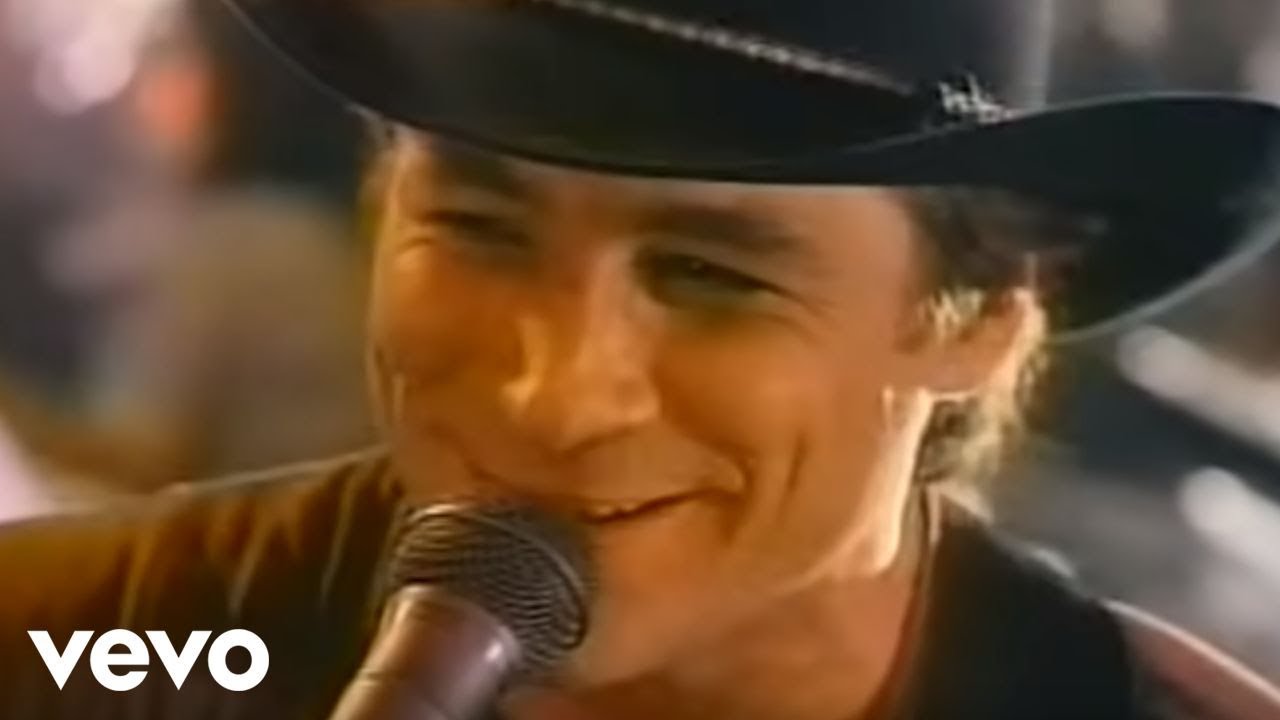
Clint Black’s “Killin’ Time”: A Deep Dive into a Timeless Classic
Released in 1989 as part of his debut album, Clint Black’s “Killin’ Time” quickly became not just a chart-topping hit but also a defining moment in the landscape of country music. The song blends traditional country sounds with a modern sensibility, capturing the essence of heartbreak and the struggles of everyday life. With its poignant lyrics and memorable melody, “Killin’ Time” encapsulated the sentiments of a generation, paving the way for a new wave of country artists in the 1990s. This article delves into the making of this iconic track, exploring its historical context, musical intricacies, and enduring legacy.
Clint Black: A Cornerstone of Music History
Clint Black was born on February 4, 1962, in Longview, Texas, and raised in Houston, where he developed a passion for music from an early age. Influenced by the sounds of traditional country artists like Johnny Cash, Merle Haggard, and George Jones, Black’s style is a fusion of classic country with a contemporary twist. He emerged in the late 1980s as part of a new generation of country artists who sought to bring back the storytelling aspect of the genre while incorporating modern production techniques.
Black’s first album, “Killin’ Time,” released on August 3, 1989, was a massive success, showcasing his songwriting prowess and distinctive voice. He became a key figure in the country music revival of the 1990s, alongside other artists like Garth Brooks and Alan Jackson. Over the years, Black has received numerous accolades, including multiple Grammy nominations, CMAs, and ACM Awards, earning him a respected place in the annals of country music history.
The Origin and Composition of “Killin’ Time”
The song’s narrative centers on themes of loneliness and longing, resonating with listeners who have experienced similar emotions. The straightforward yet profound lyrics capture the essence of feeling lost and aimless after a relationship ends, making it relatable to a wide audience. The emotional depth of the song is amplified by its melodic structure, which complements the lyrical content beautifully.
In the Studio: Recording and Production
The recording of “Killin’ Time” took place at the renowned Emerald Sound Studio in Nashville, Tennessee. Produced by James Stroud, the song features a traditional country arrangement that includes prominent elements like acoustic guitars, steel guitars, and fiddles, creating a rich tapestry of sound that has become synonymous with classic country music. The production is characterized by its clarity and warmth, allowing Black’s voice to shine through.
During the recording sessions, Black’s vocal arrangements were meticulously crafted. His smooth, baritone voice delivers the poignant lyrics with an authenticity that resonates deeply with listeners. The harmonies, layered with Black’s vocals, enhance the emotional impact of the song, creating a sense of intimacy and vulnerability. This attention to detail in the production process helped “Killin’ Time” stand out in a crowded market, contributing to its commercial success.
Lyrical and Thematic Analysis
The lyrics of “Killin’ Time” are a masterclass in storytelling, illustrating the emotional turmoil of a man who is trying to move on from a lost love. The opening lines set the tone, immediately drawing listeners into the narrator’s world of despair and reflection:
“I’m just killin’ time / I’m just killin’ time / I’m just waiting for the sun to shine.”
This refrain encapsulates the themes of inactivity and longing, suggesting that the protagonist is stuck in a moment of grief, unable to move forward. The imagery used throughout the song is vivid and relatable, evoking a sense of nostalgia and melancholy that resonates with many.
Thematically, “Killin’ Time” addresses the universal experience of heartache and the struggle to find solace in the aftermath of a breakup. The juxtaposition of the upbeat melody with the heavy subject matter creates a compelling contrast that keeps listeners engaged. Black’s ability to convey such depth of emotion through simple yet powerful lyrics is a testament to his talent as a songwriter.
Musical Structure and Emotional Resonance
Musically, “Killin’ Time” is structured as a classic country ballad, featuring a verse-chorus form that is easily digestible for listeners. The melody is both catchy and poignant, characterized by a smooth flow that supports the lyrical content. The song’s tempo is moderate, allowing for a reflective listening experience that encourages introspection.
The harmony in “Killin’ Time” is rich yet straightforward, with a blend of major and minor chords that enhance the emotional weight of the lyrics. The use of traditional country instruments, such as the steel guitar and fiddle, adds depth to the arrangement, creating a nostalgic sound that pays homage to the genre’s roots.
Black’s vocal delivery is particularly noteworthy. His smooth, resonant voice conveys a sense of sincerity and vulnerability, drawing listeners into the narrative. The subtle nuances in his vocal performance, from the breathy moments to the powerful crescendos, enhance the emotional resonance of the song. This combination of lyrical depth and musical craftsmanship makes “Killin’ Time” a standout track in Black’s discography.
Chart Performance and Global Reception
The global reception of “Killin’ Time” was overwhelmingly positive, with critics and fans alike praising Black’s songwriting and vocal abilities. The song resonated not only with country music fans but also with a broader audience, highlighting the crossover potential of country music during this era. Black’s ability to connect with listeners on an emotional level played a significant role in the song’s success and enduring popularity.
Cultural Legacy and Enduring Impact
The release of “Killin’ Time” marked the beginning of a new era in country music, as artists like Clint Black brought a fresh perspective to the genre while honoring its traditional roots. The song’s success paved the way for Black to release a series of hit singles throughout the 1990s, establishing him as one of the leading voices in country music.
Beyond its commercial success, “Killin’ Time” has had a lasting impact on subsequent generations of artists. Many contemporary country musicians cite Black as an influence, and the song itself has been covered and reinterpreted by various artists over the years. Its themes of heartbreak and resilience continue to resonate, making it a timeless piece that transcends its original context.
The song also played a role in shaping the sound of 1990s country music, contributing to the genre’s evolution as it embraced both traditional and modern elements. Black’s blend of storytelling and polished production set a precedent for future artists, reinforcing the importance of lyrical authenticity in country music.
Conclusion: Why “Killin’ Time” Still Matters Today
“Killin’ Time” remains a seminal work in Clint Black’s career and a classic in the country music genre. Its exploration of heartbreak and the human experience resonates with listeners to this day, making it a relevant and relatable piece of art. The song’s success helped shape the trajectory of country music in the 1990s, influencing a generation of artists and leaving an indelible mark on the genre.
As we reflect on the legacy of “Killin’ Time,” it is clear that its impact extends far beyond its chart performance. The song captures the essence of what it means to navigate the complexities of love and loss, making it a timeless classic that will continue to resonate with audiences for years to come. Clint Black’s ability to weave together poignant lyrics with a captivating melody ensures that “Killin’ Time” will forever hold a cherished place in the hearts of music lovers around the world.
“`
—