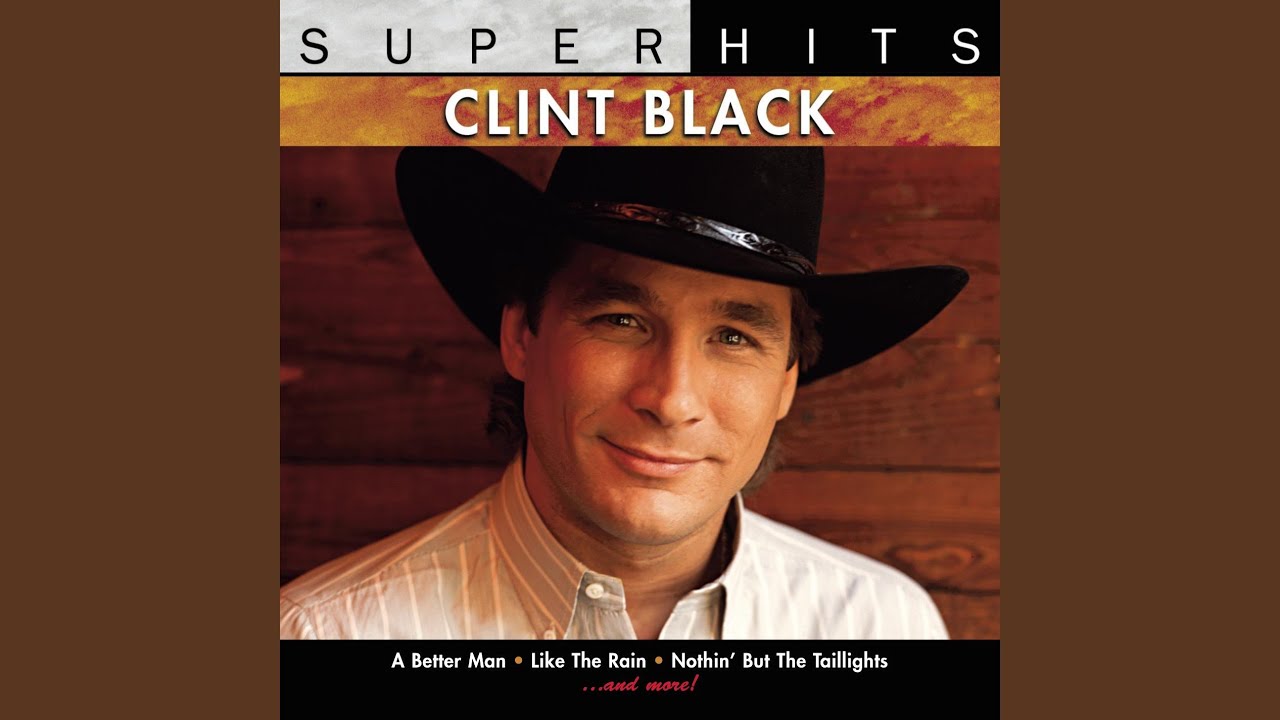
Clint Black’s “Like the Rain”: A Deep Dive into a Timeless Classic
When Clint Black released “Like the Rain” in 1996, he not only solidified his status as one of country music’s leading figures but also gifted the world with a song that would resonate for years to come. The track, filled with poignant lyrics and a haunting melody, captures the essence of love, longing, and the bittersweet nature of relationships. It became emblematic of 90s country music, a time when the genre was experiencing a renaissance, blending traditional sounds with contemporary themes. “Like the Rain” is more than just a song; it is a masterclass in storytelling, emotional depth, and musical craftsmanship, making it a timeless classic that continues to touch hearts.
Clint Black: A Cornerstone of Music History
Born on February 4, 1962, in Long Branch, New Jersey, Clint Black grew up in a musical family that nurtured his love for country music from an early age. His family relocated to Houston, Texas, where he was heavily influenced by the burgeoning country scene. Black’s career took off in the early 1990s, with his debut album, “Killin’ Time,” released in 1989, launching him into the spotlight. He quickly became known for his distinctive baritone voice and his ability to blend traditional country sounds with contemporary themes.
Clint Black’s songwriting prowess set him apart from many of his contemporaries. He is credited with writing or co-writing most of his songs, a rarity in the industry that added authenticity to his music. His influence during the 90s can’t be overstated; he played a significant role in defining the sound of modern country music, alongside other artists like Garth Brooks and Alan Jackson. Black’s ability to cross genres and appeal to a broader audience helped pave the way for future generations of country musicians.
The Origin and Composition of “Like the Rain”
The title itself, “Like the Rain,” evokes strong imagery; it suggests both the soothing and tumultuous qualities of rain, paralleling the complexity of love and relationships. The metaphor of rain serves as a powerful symbol throughout the song, representing both cleansing and sorrow, highlighting how love can be both refreshing and painful.
In the Studio: Recording and Production
Recording “Like the Rain” was a meticulous process that involved not just Black’s vocal prowess but also the talents of seasoned producers and musicians. The song was recorded at the legendary Ocean Way Studios in Nashville, Tennessee, a hub for many iconic country albums. The production team, led by James Stroud, aimed to create a sound that was both polished and reflective of Black’s roots in traditional country music.
The instrumentation in “Like the Rain” is noteworthy. It features a blend of steel guitar, piano, and subtle percussion that creates a rich, immersive sound. The steel guitar, a staple in country music, adds a layer of melancholy that complements the song’s themes. Black’s vocal delivery is particularly striking; his smooth, emotive voice carries the weight of the lyrics, drawing listeners into the story he tells. The layering of harmonies during the chorus also enhances the emotional impact, creating a sense of longing and depth.
Lyrical and Thematic Analysis
The lyrics of “Like the Rain” paint a vivid picture of love lost and the memories associated with it. The opening lines set the tone for the emotional journey that unfolds throughout the song. Black reflects on moments of intimacy and connection, using rain as a metaphor for both healing and heartache. The recurring line, “Like the rain, I’ll be there,” signifies a promise of unwavering support and love, even in the face of loss.
Thematically, the song delves into the complexities of relationships. It captures the duality of love—the joy it brings and the pain of separation. The imagery of rain serves as a reminder that love, like nature, can be unpredictable. This duality resonates with many listeners, making the song relatable across generations. In the 90s, when many songs focused on either celebration or heartbreak, “Like the Rain” offered a nuanced perspective that stood out in a crowded genre.
Musical Structure and Emotional Resonance
The harmony in “Like the Rain” is carefully crafted to create a lush soundscape. The use of minor chords adds a sense of melancholy, while major chords in the chorus provide a momentary lift, reflecting the hope that often accompanies love, even in its absence. The rhythm is steady and deliberate, allowing the listener to fully absorb the lyrics and their meaning. The emotional resonance of the song is undeniable; it evokes feelings of nostalgia and longing, making it a staple in Black’s discography.
Chart Performance and Global Reception
Cultural Legacy and Enduring Impact
Conclusion: Why “Like the Rain” Still Matters Today
In a world where music often serves as both an escape and a reflection of our realities, “Like the Rain” stands as a testament to the power of storytelling in songwriting. Clint Black’s ability to encapsulate complex emotions within a melodic structure ensures that the song continues to resonate with listeners. Its themes of love, loss, and longing are as relevant today as they were in the 90s, making it a timeless classic.
As we navigate the complexities of our own relationships, songs like “Like the Rain” provide solace, reminding us that we are not alone in our experiences. Clint Black’s artistry and the emotional depth of “Like the Rain” have secured its place in the pantheon of great country music, ensuring that it will be cherished by future generations of music lovers. In a rapidly changing musical landscape, the song continues to remind us of the enduring power of love and the beauty of vulnerability, making it a true classic worth celebrating.
—