George Strait’s “I Can Still Make Cheyenne”: A Deep Dive into a Timeless Classic
In the vast landscape of country music, few songs resonate with audiences quite like George Strait’s “I Can Still Make Cheyenne.” Released in 1996 as part of his album “Blue Clear Sky,” this poignant ballad captures the essence of love, sacrifice, and the unyielding spirit of the American cowboy. Its narrative, woven with raw emotion, speaks to the heart of fans and serves as a powerful reminder of the complexities of relationships and the choices we make. With its rich storytelling and Strait’s signature smooth vocal delivery, “I Can Still Make Cheyenne” has left an indelible mark on the genre, becoming a staple in his catalog and a classic in its own right. This article delves deep into the song’s impact, exploring its historical context, musical composition, and enduring legacy.
George Strait: A Cornerstone of Music History
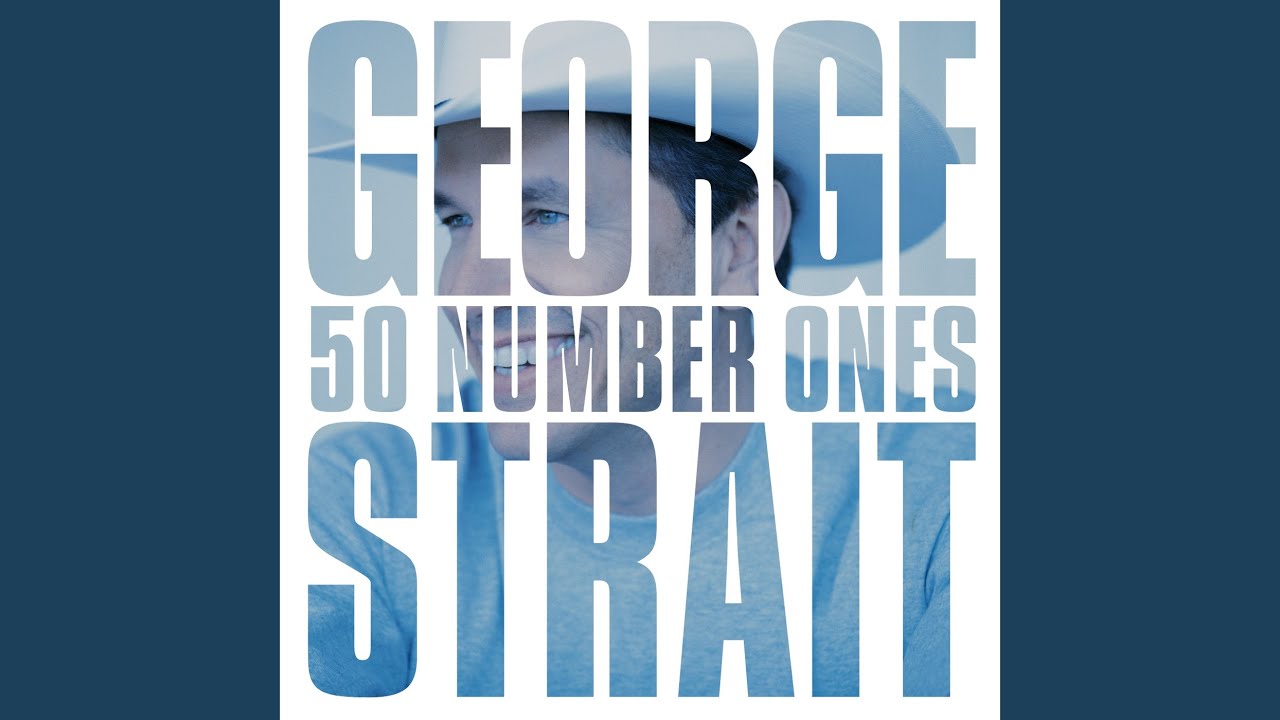
George Strait, often hailed as the “King of Country,” has been a pivotal figure in the music industry since the early 1980s. Born on May 18, 1952, in Poteet, Texas, Strait’s rise to fame is attributed to his traditional country sound, which harkens back to the genre’s roots while also incorporating contemporary elements. With a career spanning over four decades, Strait has amassed numerous awards, including multiple CMA and ACM Awards, and has sold more than 100 million records worldwide, making him one of the best-selling music artists of all time.
Strait’s influence extends beyond his commercial success; he has played a crucial role in redefining country music, bridging the gap between traditionalists and modernists. His ability to tell relatable stories through his songs has made him a beloved figure among fans. Hits like “Amarillo by Morning,” “All My Ex’s Live in Texas,” and “Check Yes or No” showcase his knack for crafting narratives that resonate deeply with listeners. “I Can Still Make Cheyenne” is no exception, encapsulating the themes of love, longing, and the sacrifices made in pursuit of one’s dreams.
The Origin and Composition of “I Can Still Make Cheyenne”
The central theme revolves around a cowboy who is torn between his love for his partner and his commitment to his job. The protagonist is a rodeo cowboy who must choose between the thrill of the rodeo circuit and the love of a woman waiting for him back home in Cheyenne, Wyoming. This dichotomy of duty versus love is a recurring motif in country music and resonates with many who have faced similar choices in their lives. The narrative is both simple and profound, capturing the essence of sacrifice that often accompanies the pursuit of one’s passions.
In the Studio: Recording and Production
The recording of “I Can Still Make Cheyenne” took place at the legendary Ocean Way Studios in Nashville, Tennessee, a hub for many iconic country recordings. Produced by Strait’s long-time collaborator, Tony Brown, the song was crafted with careful attention to detail, ensuring that every element contributed to the overall emotional impact. The production features a blend of traditional country instrumentation, including steel guitars, fiddles, and a strong rhythm section, which give the song its authentic sound.
Strait’s vocal performance is a standout element of the recording. His smooth, emotive delivery perfectly captures the character’s internal conflict. The vocal arrangements were designed to highlight Strait’s natural ability to convey emotion, with subtle harmonies that enhance the song’s poignant message. The production quality reflects the era’s advancements while maintaining a classic country feel, allowing the song to stand the test of time.
Lyrical and Thematic Analysis
The lyrics of “I Can Still Make Cheyenne” are a masterclass in storytelling. The song opens with the narrator reflecting on his life as a rodeo cowboy, setting the stage for the emotional journey that follows. Lines like “She said, ‘I don’t care if you never come back'” convey a sense of resignation and heartache, reflecting the struggles many face when balancing personal ambitions with relationships. The refrain, “But I can still make Cheyenne,” serves as both a literal and metaphorical anchor, symbolizing the protagonist’s desire to return home and reconcile his love with his passion.
As the song progresses, the tension between the cowboy’s love and his commitment to the rodeo intensifies. The lyrics explore themes of longing, sacrifice, and the bittersweet nature of love, making the song relatable to anyone who has ever had to choose between their dreams and their loved ones. This universal theme is one of the reasons why “I Can Still Make Cheyenne” has resonated with listeners across generations, solidifying its place in the country music canon.
Musical Structure and Emotional Resonance
The melody is both catchy and emotive, allowing listeners to easily connect with the narrative. The harmonic structure is simple yet effective, providing a solid foundation for Strait’s vocal delivery. As he sings the chorus, the emotional weight of the lyrics is amplified by the instrumentation, creating a powerful sonic landscape that evokes feelings of nostalgia and longing. The song’s rhythm is steady, mirroring the unwavering commitment of the cowboy to his craft, while also allowing moments of reflection and introspection within the verses.
Chart Performance and Global Reception
The global reception of “I Can Still Make Cheyenne” was overwhelmingly positive, with fans praising its storytelling and emotional depth. The song’s universal themes of love and sacrifice resonated with audiences far beyond the borders of the United States, contributing to Strait’s international appeal. It has been covered by various artists and featured in numerous playlists celebrating the best of country music, further cementing its place in the genre’s history.
Cultural Legacy and Enduring Impact
The song also holds a special place in the hearts of fans, often being played at rodeos, country music festivals, and events celebrating cowboy culture. Its themes of love and sacrifice resonate with those who lead similar lifestyles, making it an anthem for cowboys and cowgirls alike. The enduring popularity of the track is a testament to its powerful message and Strait’s ability to connect with audiences on a personal level.
Conclusion: Why “I Can Still Make Cheyenne” Still Matters Today
In conclusion, George Strait’s “I Can Still Make Cheyenne” is more than just a song; it is a poignant exploration of love, sacrifice, and the choices that define our lives. Its rich storytelling, emotional depth, and timeless melodies have ensured its place in the pantheon of country music classics. As listeners continue to connect with the song’s narrative, it serves as a reminder of the enduring power of music to evoke strong emotions and reflect the complexities of the human experience. George Strait’s ability to convey these themes has not only solidified his legacy as a country music icon but has also ensured that “I Can Still Make Cheyenne” will remain relevant for generations to come.
—