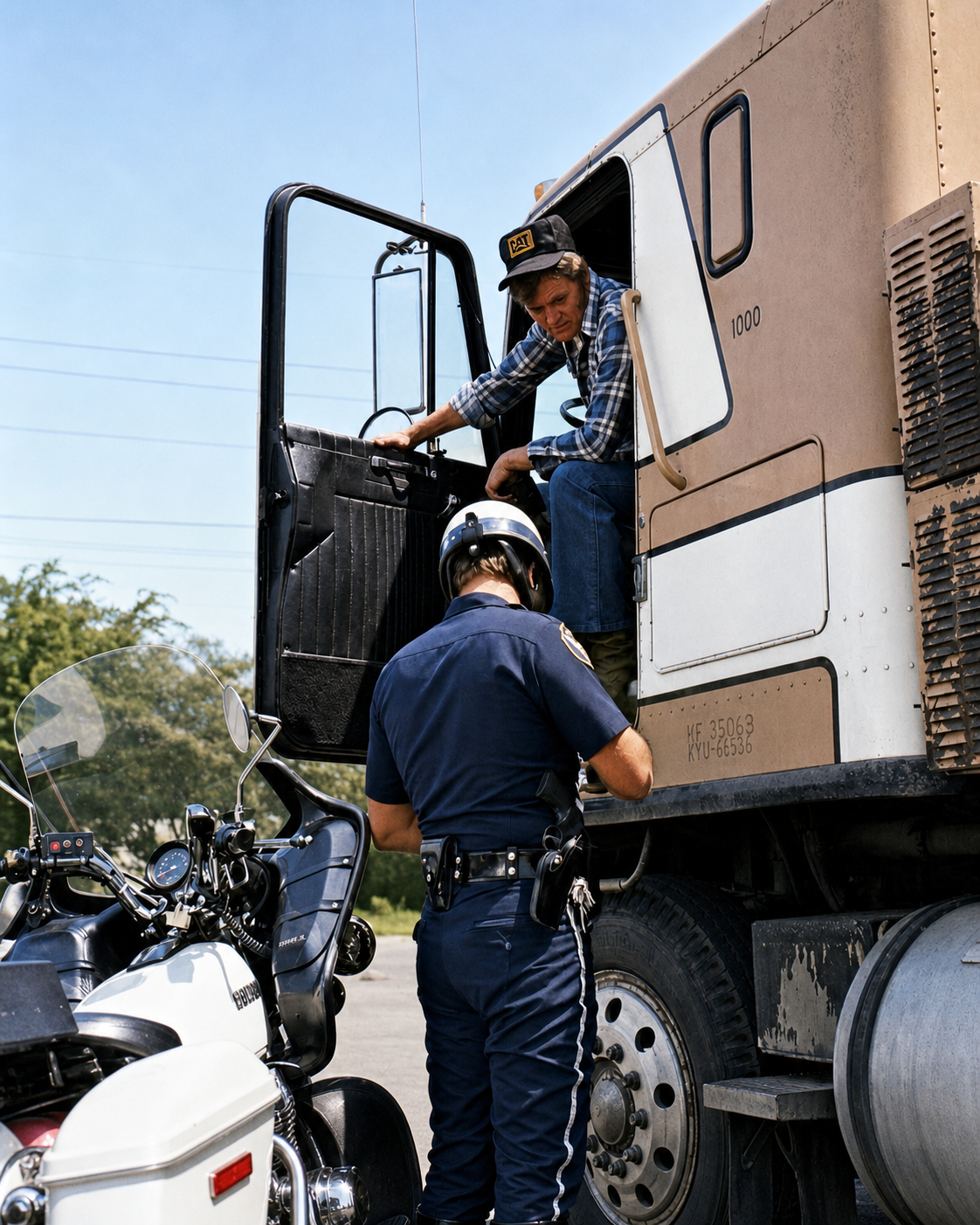
In 1977, One Song Turned a $300 Million Movie Into a Trucker Anthem
When Jerry Reed’s “East Bound and Down” burst onto the music scene, it was initially just a catchy tune designed to accompany the high-octane comedy, Smokey and the Bandit. The film, starring the charismatic Burt Reynolds, was a celebration of horsepower, highway hijinks, and camaraderie. But as soon as Reed’s guitar licks kicked in, something extraordinary happened; the song transcended its cinematic origins and transformed into an anthem that resonated with truckers and road warriors across America.
More Than Just a Movie Theme
On paper, “East Bound and Down” had a straightforward task: it needed to match the film’s fast-paced energy and exhilarating vibe. Yet, once the infectious rhythm hit the airwaves, it became clear that the song was destined for far more than just a spot on the movie soundtrack. The moment Reed’s guitar started snapping, it felt less like a piece of film music and more like a message sent over a CB radio at midnight. It embodied speed, grit, and the spirit of the open road.
The film Smokey and the Bandit offered audiences a rollicking adventure filled with laughs and chase scenes, but beneath its surface was a deeper narrative that resonated with working-class Americans. Themes of pressure, responsibility, and the thrill of outrunning trouble permeated the story. Truckers understood this on a visceral level, and to them, “East Bound and Down” was more than a catchy tune; it was a soundtrack for their lives.
The Road as a Canvas
Truckers heard “East Bound and Down” in a way that casual moviegoers did not. Where others might have heard a fun song, truckers felt the weight of their daily grind. The song evoked early morning shifts, late-night fuel stops, diner coffee, and the solitary glow of headlights piercing through the darkness of endless highways. Every line became a dare; every beat pushed the wheels to go faster.
Jerry Reed was not just a musician; he was a storyteller who captured the essence of movement. His guitar work was robust and playful, mirroring the energy of a truck barreling down the highway. The song didn’t simply describe a truck on the road; it behaved like one, embodying the very spirit of the journey.
A Cultural Moment
By the time “East Bound and Down” hit the airwaves in 1977, trucker culture was thriving and had already developed its own language, heroes, and music. CB radios had become a lifeline for drivers, allowing them to connect with one another during solitary hauls. The fascination with the trucker lifestyle was at an all-time high, characterized by independence, toughness, and an unyielding sense of humor.
“East Bound and Down” arrived at just the right moment. It captured both the fantasy and the reality of life on the road, making the open highway sound exhilarating while simultaneously honoring the hardworking individuals who lived it. The song was not polished in a delicate way; it was raw, energetic, and built for movement. Whether heard in a theater, on a jukebox, or through a dashboard speaker, it delivered the same message: there’s cargo to move, distance to cover, and no time to waste.
Legacy and Impact
Many movie songs fade into obscurity, remembered only by those who loved the film. However, “East Bound and Down” carved its own niche that far outstripped its cinematic ties. The song possesses a life of its own, capable of conjuring images of a truck rolling down the highway, a focused driver, and a road that stretches into the horizon. This quality is what makes it a true anthem—a piece of music that doesn’t need to be explained; it simply evokes feelings and memories.
Nearly half a century later, “East Bound and Down” still resonates with audiences. Its infectious spirit remains intact, bringing a smile to those who hear it. The song feels alive, like the roar of an engine ready to embark on a new journey. It has become more than just a hit; it has become part of the very fabric of American culture.
Conclusion: The Open Road Calls
In the end, Jerry Reed’s “East Bound and Down” is not merely a song; it is a celebration of the open road and the spirit of adventure. It embodies the American ethos of freedom, grit, and determination. For those who have ever felt the call of the highway, the song serves as a reminder that life is a journey, filled with both challenges and triumphs.
As we listen to “East Bound and Down” today, we’re reminded that the highway is always calling, the engine is always revving, and the night is wide open. This timeless anthem continues to inspire generations of listeners, making it an enduring symbol of the road and the truckers who traverse it.