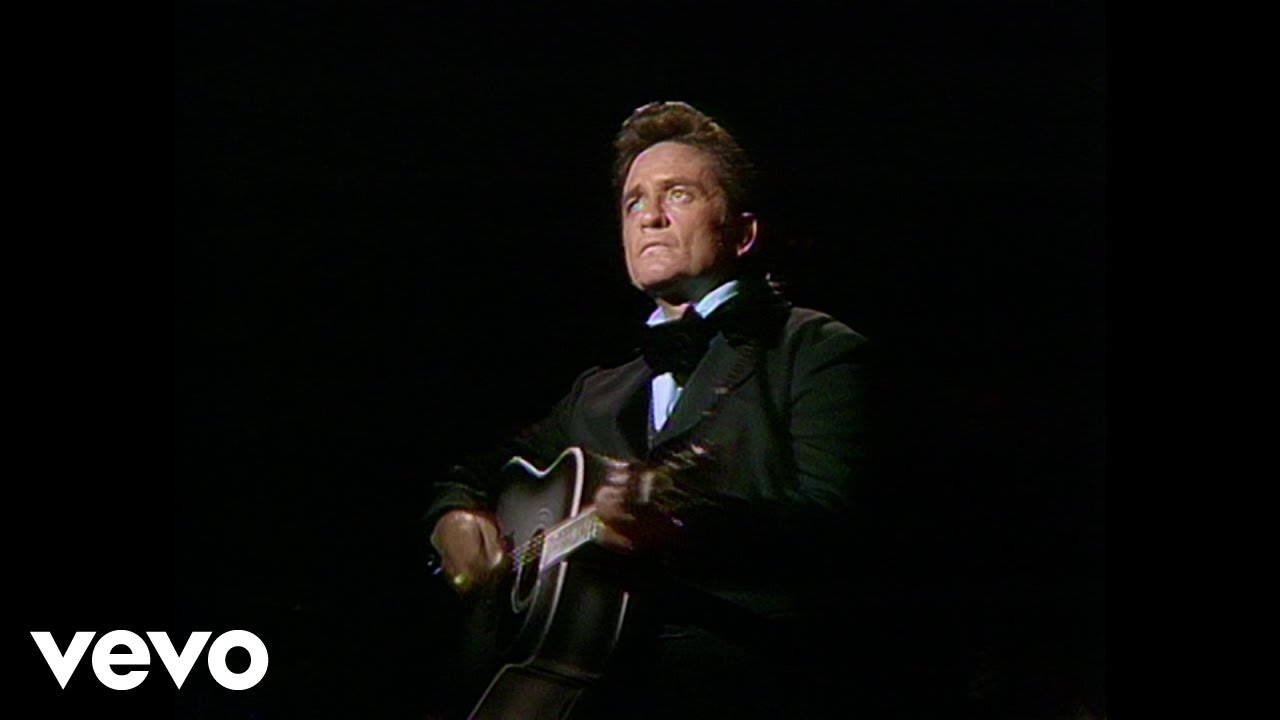
Johnny Cash’s “Sunday Morning Coming Down”: A Deep Dive into a Timeless Classic
In the pantheon of American music, few songs resonate with the raw, unvarnished emotion and storytelling prowess of Johnny Cash’s “Sunday Morning Coming Down.” Released in 1970, this poignant track captures the essence of loneliness, regret, and the bittersweet nature of life itself. With its haunting melody and deeply relatable lyrics, the song reached deep into the hearts of listeners, transcending genres and establishing itself as a timeless classic. It is a testament to Cash’s ability to weave intricate narratives that resonate with the human experience, making “Sunday Morning Coming Down” a significant piece in the tapestry of American music.
Johnny Cash: A Cornerstone of Music History
Johnny Cash, often referred to as “The Man in Black,” was born on February 26, 1932, in Kingsland, Arkansas. His life was marked by struggle and resilience, themes that would later become central to his music. Emerging from humble beginnings, Cash’s upbringing in a poor farming family heavily influenced his songwriting, which often dealt with themes of hardship, redemption, and the human condition. He first rose to fame in the 1950s with hits like “I Walk the Line” and “Folsom Prison Blues,” establishing himself as a leading figure in country music.
Cash’s unique blend of country, rockabilly, and folk made him an icon, not just in the country genre but across all musical landscapes. His deep, resonant voice and stark, honest lyrics set him apart from his contemporaries. Over the decades, Cash’s music evolved, reflecting his personal struggles with addiction and faith, ultimately leading to a renaissance in his later years, notably through his collaboration with producer Rick Rubin. Cash’s legacy is marked by his willingness to confront uncomfortable truths, making him a relatable and enduring figure in music history.
The Origin and Composition of “Sunday Morning Coming Down”
Cash’s version, released as a single in 1970, became an anthem for those who found themselves wrestling with existential questions, portraying the struggles of individuals facing the harsh realities of life. The song’s lyrics encapsulate a moment of introspection, making it relatable to anyone who has experienced the melancholy that can accompany a new day. Kristofferson’s writing shines through, offering a poetic examination of lost dreams and the search for meaning, establishing the song as not just a reflection of personal turmoil but also a broader commentary on the human experience.
In the Studio: Recording and Production
The recording of “Sunday Morning Coming Down” took place at the RCA Victor Studio in Nashville, a pivotal location in the evolution of country music. Cash’s collaboration with producer Bob Johnston played a crucial role in shaping the sound of the track. The production was marked by a stripped-down approach, allowing Cash’s voice and the poignant lyrics to take center stage. The arrangement featured gentle guitar strumming, understated piano, and subtle percussion, creating a somber yet captivating atmosphere.
One of the notable elements of the recording was Cash’s vocal delivery, characterized by its deep resonance and emotional weight. His baritone voice conveyed a sense of weariness that matched the song’s themes, drawing listeners into the narrative. The recording session was marked by a commitment to authenticity, and the simplicity of the arrangement allowed the emotional core of the song to shine through. The result was a timeless recording that would resonate with audiences for generations.
Lyrical and Thematic Analysis
The lyrics of “Sunday Morning Coming Down” are a masterclass in storytelling, filled with vivid imagery and raw emotion. The song opens with a reflection on the mundane aspects of life, capturing the essence of a Sunday morning that feels heavy with regret and sorrow. Lines such as “Well, I woke up Sunday morning / With no way to hold my head that didn’t hurt” immediately set the tone for the song, evoking a sense of physical and emotional pain. This opening line encapsulates the idea of a hangover, both literal and metaphorical, representing the aftermath of choices made and the weight of regret.
The song progresses as the narrator walks through the empty streets, observing the world around him and reflecting on his own life. The imagery is poignant, conveying a sense of isolation and longing. The mention of a church and the act of seeing others finding solace in faith underscores the contrast between the narrator’s despair and the hope that others seem to possess. This duality speaks to a broader existential theme, questioning the nature of happiness and fulfillment in the face of personal struggles.
Moreover, Kristofferson’s lyrics delve into the complexities of addiction and the search for meaning, making the song relevant to a generation grappling with similar issues. The refrain, “And I’d like to see you, but it just won’t be the same,” captures the feeling of loss and the passage of time, emphasizing the transient nature of relationships and moments of joy. The song’s themes of loneliness, introspection, and the quest for redemption resonate deeply, making it a powerful anthem for anyone who has faced life’s challenges head-on.
Musical Structure and Emotional Resonance
The musical structure of “Sunday Morning Coming Down” complements its lyrical depth, creating an emotional landscape that enhances the song’s impact. The song is primarily built on a simple chord progression, allowing for a focus on the storytelling aspect. The melody is haunting yet accessible, creating a sense of familiarity that invites listeners in. Cash’s delivery is measured, with a deliberate pacing that mirrors the reflective nature of the lyrics.
The harmony is straightforward, but it effectively supports the melancholy mood of the song. The instrumentation is minimalistic, with acoustic guitar, soft piano, and understated percussion providing a backdrop that doesn’t overshadow Cash’s voice. This simplicity allows the emotional resonance of the lyrics to shine, drawing listeners into the narrator’s world of introspection and longing.
Cash’s vocal delivery is particularly noteworthy, characterized by his ability to convey deep emotion with subtlety. His phrasing, combined with the occasional pause for effect, creates a sense of vulnerability that makes the listener feel intimately connected to his experience. The overall effect is a song that feels timeless, with a raw honesty that continues to resonate with audiences today.
Chart Performance and Global Reception
The reception of the song was overwhelmingly positive, with critics praising Cash’s heartfelt interpretation and Kristofferson’s poignant songwriting. The track became a staple in Cash’s live performances, often eliciting emotional reactions from audiences. Its universal themes of loneliness and introspection struck a chord with listeners, making it a defining moment in Cash’s illustrious career. The song also received accolades and recognition from various music awards, further solidifying its place in the annals of music history.
Cultural Legacy and Enduring Impact
The cultural legacy of “Sunday Morning Coming Down” extends far beyond its initial release. The song has been covered by numerous artists across various genres, including Willie Nelson, who brought his own interpretation to it, and the band The Highwaymen, which featured Cash alongside fellow country legends. These covers not only pay homage to the original but also highlight the song’s versatility and enduring relevance.
Moreover, “Sunday Morning Coming Down” has been embraced in popular culture, appearing in films and television shows that seek to capture the complexities of the human experience. Its themes of introspection and existential contemplation resonate with audiences across generations, making it a timeless anthem for those grappling with their own struggles. The song has also influenced a wide range of artists, from country musicians to rock and folk singers, who have drawn inspiration from its emotional depth and storytelling prowess.
In the context of American music, Cash’s contribution to the genre cannot be overstated. His willingness to tackle difficult subjects and his authenticity have paved the way for future generations of artists, making him a role model for those seeking to express their truths through music. “Sunday Morning Coming Down” stands as a testament to his artistic legacy, showcasing the power of song to evoke emotion and provoke thought.
Conclusion: Why “Sunday Morning Coming Down” Still Matters Today
In conclusion, Johnny Cash’s “Sunday Morning Coming Down” is more than just a song; it is a poignant exploration of the human experience, capturing the essence of loneliness, regret, and the search for meaning. Its lyrical depth, emotional resonance, and Cash’s heartfelt delivery have solidified its place as a timeless classic in American music. The song continues to inspire and connect with listeners today, serving as a reminder of the power of storytelling in music.
As we navigate the complexities of our own lives, “Sunday Morning Coming Down” remains a source of comfort and reflection, encouraging us to confront our own feelings of solitude and introspection. Cash’s ability to articulate these emotions with such sincerity ensures that the song will endure, resonating with future generations and securing its legacy as one of the great anthems of American music.
—