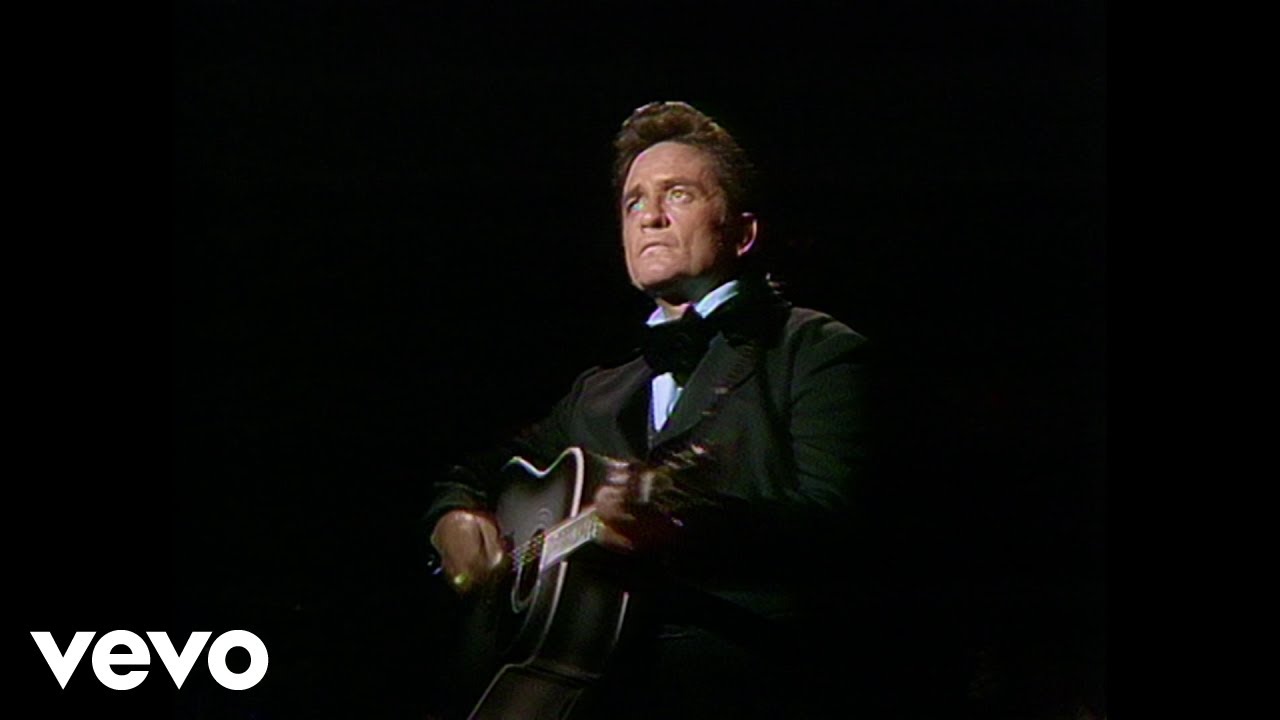
Johnny Cash – Sunday Morning Coming Down: A Deep Dive into a Timeless Classic
—
Johnny Cash’s “Sunday Morning Coming Down” is a song that has become synonymous with the Man in Black’s unique blend of country, rock, and folk music. Released in 1970, the song was a pivotal moment in Cash’s career, marking a return to his roots and a renewed focus on storytelling through music. The song’s impact was instantaneous, with its haunting lyrics and soaring melody capturing the hearts of listeners around the world. But “Sunday Morning Coming Down” is more than just a great song – it’s a cultural touchstone, a reflection of the tumultuous times in which it was written, and a testament to the enduring power of music to capture the human experience. In this article, we’ll delve into the history of the song, its composition, recording, and legacy, to explore why “Sunday Morning Coming Down” remains a timeless classic.
The song’s influence can be heard in many subsequent artists, and its themes of redemption, love, and social commentary continue to resonate with listeners today. With its themes of social commentary, personal struggle, and the search for meaning, “Sunday Morning Coming Down” is a song that continues to speak to audiences around the world. From its origins as a Kris Kristofferson composition to its iconic recording by Johnny Cash, “Sunday Morning Coming Down” is a song that has become an integral part of American musical heritage. In this article, we’ll explore the song’s history, its cultural context, and its enduring legacy, to understand why “Sunday Morning Coming Down” remains one of the greatest songs of all time.
Johnny Cash: A Cornerstone of Music History
Johnny Cash was one of the most influential musicians of the 20th century, with a career spanning over four decades. Born in Arkansas in 1932, Cash grew up in a poor farming family and was raised on a diet of gospel music, folk songs, and country tunes. He began his music career in the 1950s, performing on local radio stations and in bars and clubs, before signing with Sun Records and releasing his debut single, “Hey Porter,” in 1955. Cash’s early success was marked by a string of hit singles, including “I Walk the Line,” “Folsom Prison Blues,” and “Big River,” which established him as a major force in country music.
Cash’s music was characterized by his deep, baritone voice, his simple, direct songwriting style, and his ability to convey a sense of authenticity and emotional honesty. He was a true original, a artist who defied categorization and refused to be bound by the conventions of any one genre. Over the course of his career, Cash released over 90 albums, won numerous awards, and collaborated with a wide range of artists, from Willie Nelson and Waylon Jennings to Bob Dylan and Tom Petty. Despite struggling with addiction and personal demons, Cash remained a beloved figure in American music, and his legacy continues to inspire and influence new generations of artists and fans.
One of the key factors in Cash’s enduring success was his ability to connect with his audience, to speak to their hopes, fears, and struggles through his music. He was a master storyteller, with a gift for crafting songs that were both deeply personal and universally relatable. Whether he was singing about love, heartache, or social justice, Cash’s music was always rooted in a sense of authenticity and emotional honesty, and it was this quality that has made his songs endure long after he’s gone.
The Origin and Composition of “Sunday Morning Coming Down”
“Sunday Morning Coming Down” was written by Kris Kristofferson, a young singer-songwriter who was just beginning to make a name for himself in the music industry. Kristofferson had grown up in Texas, the son of a military family, and had been influenced by a wide range of musical styles, from country and folk to rock and blues. He began writing songs in the 1960s, while working as a janitor at a Nashville recording studio, and quickly developed a reputation as a talented and innovative songwriter.
The story behind “Sunday Morning Coming Down” is a fascinating one. Kristofferson has said that he wrote the song in a state of depression and hangover, after a night of heavy drinking and partying. He woke up on a Sunday morning, feeling miserable and sorry for himself, and began to strum a few chords on his guitar. The song flowed out of him, a stream-of-consciousness reflection on the pain and despair that he was feeling. The lyrics are a deeply personal and poetic expression of Kristofferson’s emotions, a cry of anguish and a search for meaning in a seemingly meaningless world.
When Kristofferson finished the song, he knew that he had created something special. He recorded a demo of the song, and began to shop it around to various artists and record labels. Johnny Cash was one of the first people to hear the song, and he was immediately struck by its power and beauty. Cash had been looking for a new direction, a way to reconnect with his roots and to speak to a new generation of listeners, and “Sunday Morning Coming Down” seemed to fit the bill perfectly.
In the Studio: Recording and Production
The recording of “Sunday Morning Coming Down” was a landmark moment in the history of American music. Cash had assembled a team of top musicians, including guitarist Luther Perkins, bassist Marshall Grant, and drummer W.S. Holland, and had chosen to record the song at the legendary Ryman Auditorium in Nashville. The Ryman was a historic venue, known for its excellent acoustics and its rich musical heritage, and Cash felt that it was the perfect place to capture the song’s emotional intensity.
The recording session was a relatively simple affair, with Cash and his band running through the song a few times to get a feel for the arrangement. Cash’s producer, Bob Johnston, had suggested that they use a minimalist approach, with a focus on Cash’s voice and the song’s emotional core. The result was a stark, stripped-down sound, with Cash’s voice and guitar taking center stage. The song’s iconic opening lines, “Well, I woke up Sunday morning, with no way to hold my head that didn’t hurt,” were delivered with a sense of quiet desperation, and the rest of the song followed suit, building to a soaring climax that showcased Cash’s incredible vocal range.
The recording of “Sunday Morning Coming Down” was also notable for its use of a number of innovative production techniques. Johnston had experimented with the use of tape loops and echo chambers, to create a sense of space and atmosphere around Cash’s voice. The result was a sound that was both intimate and expansive, with Cash’s voice seeming to come from everywhere and nowhere at the same time. The song’s production was a key factor in its success, and it helped to establish Cash as a major force in American music.
Lyrical and Thematic Analysis
The lyrics of “Sunday Morning Coming Down” are a deeply personal and poetic expression of Kris Kristofferson’s emotions. The song is a cry of anguish and a search for meaning, a reflection on the pain and despair that can follow a night of heavy drinking and partying. The lyrics are full of vivid imagery and clever wordplay, with Kristofferson using his mastery of language to paint a picture of a world that is both bleak and beautiful.
One of the key themes of the song is the search for redemption and forgiveness. The lyrics are full of references to sin and guilt, and the need to make amends for past mistakes. This is a classic theme in American music, and it’s one that Cash was particularly well-suited to explore. His voice was like a warm hug, enveloping the listener in a sense of comfort and understanding, and his delivery of the song’s lyrics was both heartfelt and authentic.
The song’s lyrics are also notable for their sense of social commentary. Kristofferson was a keen observer of the world around him, and he was deeply concerned about the social and political issues of the time. The song’s references to poverty, racism, and social injustice are a powerful indictment of the status quo, and they add a sense of depth and complexity to the song’s emotional core. The song’s message of hope and redemption is a powerful one, and it continues to resonate with listeners today.
Musical Structure and Emotional Resonance
The musical structure of “Sunday Morning Coming Down” is deceptively simple. The song is built around a simple melody, with a repetitive chord progression that creates a sense of tension and release. The song’s rhythm is slow and deliberate, with a sense of mournful introspection that adds to the song’s emotional impact. The melody is haunting and memorable, with a sense of soaring beauty that showcases Cash’s incredible vocal range.
The song’s emotional resonance is a key factor in its success. Cash’s delivery of the song’s lyrics is both heartfelt and authentic, and his voice is like a warm hug, enveloping the listener in a sense of comfort and understanding. The song’s use of dynamics is also noteworthy, with Cash’s voice rising and falling in a way that creates a sense of drama and tension. The song’s emotional resonance is a powerful thing, and it continues to move listeners to this day.
The song’s musical structure is also notable for its use of space and atmosphere. The song’s arrangement is minimalist, with a focus on Cash’s voice and the song’s emotional core. The result is a sense of intimacy and immediacy, with the listener feeling like they’re experiencing the song in real-time. The song’s use of instrumentation is also noteworthy, with the guitar and bass providing a sense of texture and depth to the song’s sound.
Chart Performance and Global Reception
“Sunday Morning Coming Down” was a major commercial success, reaching the top of the Billboard country charts and staying there for several weeks. The song also crossed over into the pop charts, reaching the top 10 on the Billboard Hot 100. The song’s success was a major factor in Cash’s resurgence as a major force in American music, and it helped to establish him as a credible artist in the eyes of a new generation of listeners.
The song’s global reception was also highly positive. The song was released in numerous countries around the world, and it became a hit in many of them. The song’s themes of redemption and forgiveness resonated with listeners everywhere, and its message of hope and comfort continues to inspire people to this day. The song’s impact was not limited to the music world, as it also had a significant impact on popular culture. The song has been referenced and covered countless times, and it continues to be a beloved classic among music fans of all ages.
Cultural Legacy and Enduring Impact
“Sunday Morning Coming Down” has had a profound impact on American music and culture. The song’s influence can be heard in many subsequent artists, from Willie Nelson and Waylon Jennings to Bob Dylan and Tom Petty. The song’s themes of redemption and forgiveness have become a staple of American music, and its message of hope and comfort continues to inspire people to this day.
The song’s cultural legacy is a testament to the enduring power of music to capture the human experience. The song’s influence can be seen in many areas of popular culture, from film and literature to art and politics. The song’s message of hope and redemption continues to resonate with people everywhere, and its impact will be felt for generations to come. The song’s influence can also be seen in the many covers and references that have been made to it over the years.
The song’s influence on subsequent artists is a key factor in its enduring legacy. Many artists have covered the song, including Willie Nelson, Waylon Jennings, and Bob Dylan. The song’s themes of redemption and forgiveness have become a staple of American music, and its message of hope and comfort continues to inspire people to this day. The song’s influence can also be seen in the many artists who have been inspired by Cash’s music, from country and rock to folk and blues.
Conclusion: Why “Sunday Morning Coming Down” Still Matters Today
“Sunday Morning Coming Down” is a song that continues to matter today, a testament to the enduring power of music to capture the human experience. The song’s themes of redemption and forgiveness are timeless, and its message of hope and comfort continues to inspire people everywhere. The song’s influence can be heard in many subsequent artists, and its cultural legacy is a profound one.
The song’s impact on American music and culture is a significant one, and its influence will be felt for generations to come. The song’s message of hope and redemption is a powerful one, and it continues to resonate with people everywhere. The song’s enduring legacy is a testament to the power of music to capture the human experience, and its influence will continue to be felt for years to come. The song’s themes of social commentary, personal struggle, and the search for meaning continue to resonate with listeners today, making it a timeless classic that will continue to be loved and appreciated for generations to come.
In conclusion, “Sunday Morning Coming Down” is a song that has become an integral part of American musical heritage. Its influence can be heard in many subsequent artists, and its cultural legacy is a profound one. The song’s themes of redemption and forgiveness are timeless, and its message of hope and comfort continues to inspire people everywhere. The song’s enduring legacy is a testament to the power of music to capture the human experience, and its influence will continue to be felt for years to come.
—