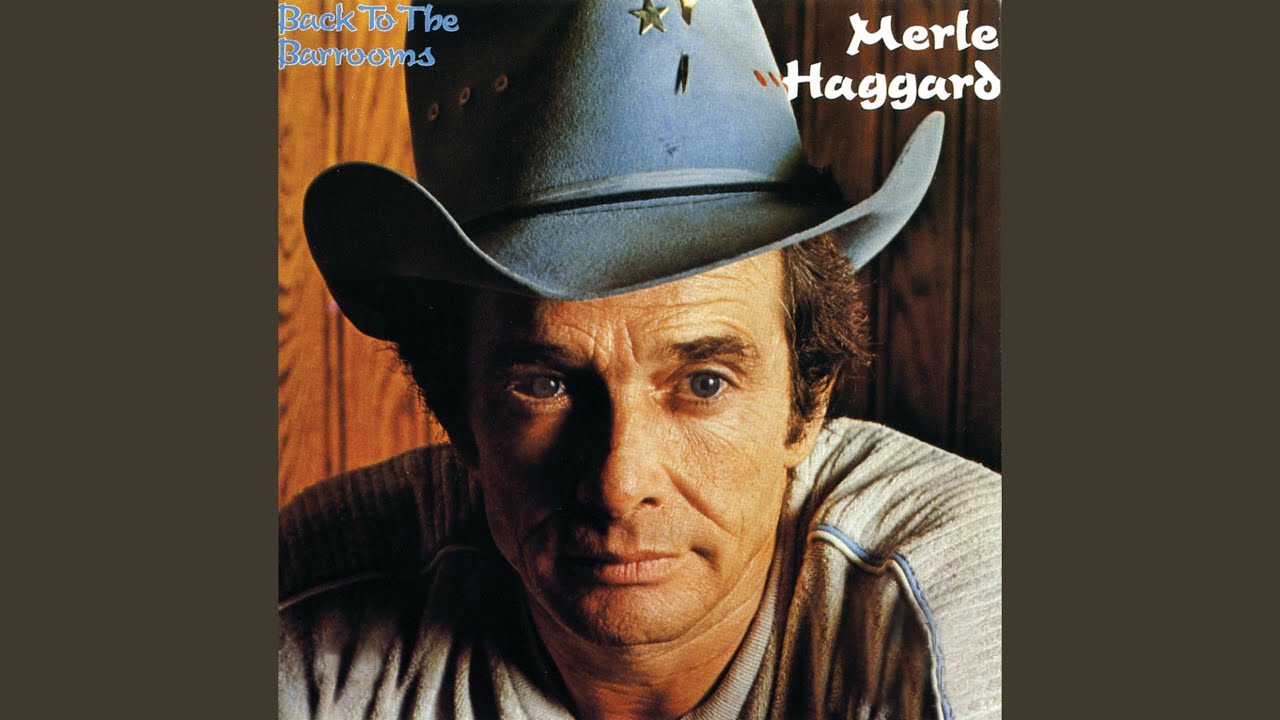
Merle Haggard’s “Back to the Barrooms Again”: A Deep Dive into a Timeless Classic
When it comes to the landscape of American country music, few artists have left as indelible a mark as Merle Haggard. His song “Back to the Barrooms Again,” released in 1980, encapsulates the essence of Haggard’s storytelling prowess, his deep-rooted understanding of the human experience, and the bittersweet complexities of life. This track not only highlights Haggard’s profound lyrical ability but also serves as a reflection of the cultural milieu of its time, resonating with audiences who find solace in its themes of heartache, nostalgia, and the pursuit of solace in the familiar comforts of a barroom. In this exploration, we will dissect the song’s creation, its musical intricacies, and its lasting influence on the genre and beyond.
Merle Haggard: A Cornerstone of Music History
Born on April 6, 1937, in Oildale, California, Merle Haggard emerged from a tumultuous upbringing that would greatly influence his music. The son of a poor family, Haggard experienced the hardships of the Great Depression, leading to a life filled with challenges. After a series of run-ins with the law and a stint in San Quentin prison, Haggard found his calling in music, channeling his experiences into a body of work that would redefine country music. He was a pivotal figure in the Bakersfield sound, a subgenre characterized by its raw, honky-tonk vibe, which contrasted sharply with the slick production of Nashville during the same era. Haggard’s music often reflected the struggles of the working class, earning him the title of the “poet of the common man.” His influence extended beyond his era, inspiring countless artists across genres and solidifying his legacy as a cornerstone of American music history.
The Origin and Composition of “Back to the Barrooms Again”
“Back to the Barrooms Again” was co-written by Merle Haggard and his longtime collaborator, Freddy Powers. Released as a part of the album “Back to the Barrooms,” the song emerged during a period in Haggard’s life when he was grappling with the complexities of relationships and the loneliness that often accompanies them. The song captures the feeling of returning to a familiar place, not just physically but emotionally, as a means to escape heartache and reflect on lost love. The narrative of the song is both personal and universal, illustrating a sense of vulnerability that resonates deeply with listeners. The song’s creation was influenced by Haggard’s own experiences, making it a genuine reflection of the struggles faced by many.
In the Studio: Recording and Production
The recording of “Back to the Barrooms Again” took place in a time when country music was evolving, yet Haggard remained true to his roots. The sessions were marked by a sense of authenticity, with Haggard opting for a straightforward production style that emphasized his voice and storytelling. The instrumentation featured traditional country elements, including steel guitars and fiddles, which complemented Haggard’s rich baritone. The synergy between Haggard’s vocal delivery and the musicianship created an atmosphere that felt both inviting and melancholic. The production team, which included the likes of producer Ken Nelson, worked to capture the essence of Haggard’s live performances, ensuring that the raw emotion present in the song translated well onto the recording.
Lyrical and Thematic Analysis
The lyrics of “Back to the Barrooms Again” delve into themes of heartache, nostalgia, and the human condition. The opening lines set the stage for a journey back into the familiar yet painful territory of barrooms, where memories linger like the scent of whiskey. Haggard’s lyrics often reflect a candid honesty, and in this song, he articulates the struggle of confronting one’s past while seeking refuge in the comfort of alcohol and companionship. The chorus poignantly captures the duality of escape and entrapment, showcasing Haggard’s ability to convey complex emotions with simplicity. The line, “I guess I’ll go back to the barrooms again,” encapsulates a resignation to fate, a theme that resonates with anyone who has found solace in the familiar yet destructive patterns of life.
Musical Structure and Emotional Resonance
Musically, “Back to the Barrooms Again” is structured in a traditional verse-chorus format, allowing the narrative to unfold organically. The melody is catchy yet melancholic, perfectly mirroring the lyrical themes. The song begins with a simplistic yet engaging instrumental intro that sets the mood, gradually building as Haggard’s voice enters. His vocal delivery is characterized by a sense of weariness and sincerity, drawing the listener into the emotional landscape of the song. The harmony typically follows a classic country progression, with a blend of major and minor chords that evoke feelings of nostalgia and longing. The rhythm is steady and unhurried, inviting listeners to reflect on their own experiences while allowing the story to unfold at a poignant pace. Haggard’s ability to convey deep emotion through his music is evident in every note, making it not just a song, but an experience.
Chart Performance and Global Reception
Cultural Legacy and Enduring Impact
The cultural impact of “Back to the Barrooms Again” extends far beyond its chart performance. The song has been covered by various artists, each bringing their interpretation to Haggard’s poignant lyrics. Its themes of heartache and the rituals of barroom life have resonated with generations of listeners, making it a staple in country music. The song’s exploration of the human condition continues to inspire contemporary artists, influencing various genres, including Americana and roots music. Haggard’s ability to weave personal narratives into universal themes has set a template for future songwriters, encouraging them to draw from their own experiences to create relatable and timeless music. The song remains a testament to Haggard’s legacy, reminding us that no matter the passage of time, the struggles of the human heart remain the same.
Conclusion: Why “Back to the Barrooms Again” Still Matters Today
In a world that often feels increasingly disconnected, Merle Haggard’s “Back to the Barrooms Again” stands as a poignant reminder of the power of music to articulate the complexities of human emotion. The song’s exploration of heartache, nostalgia, and the search for solace resonates just as strongly today as it did upon its release. Haggard’s ability to capture the essence of the human experience through his storytelling, combined with his distinctive musical style, ensures that his work remains relevant across generations. As listeners continue to seek connection through music, “Back to the Barrooms Again” serves as a timeless classic—a reflection of life’s struggles and the enduring search for comfort in familiar places. Merle Haggard’s legacy is not just in the songs he wrote but also in the hearts he touched, making this track a crucial part of the rich tapestry of American music history.
—