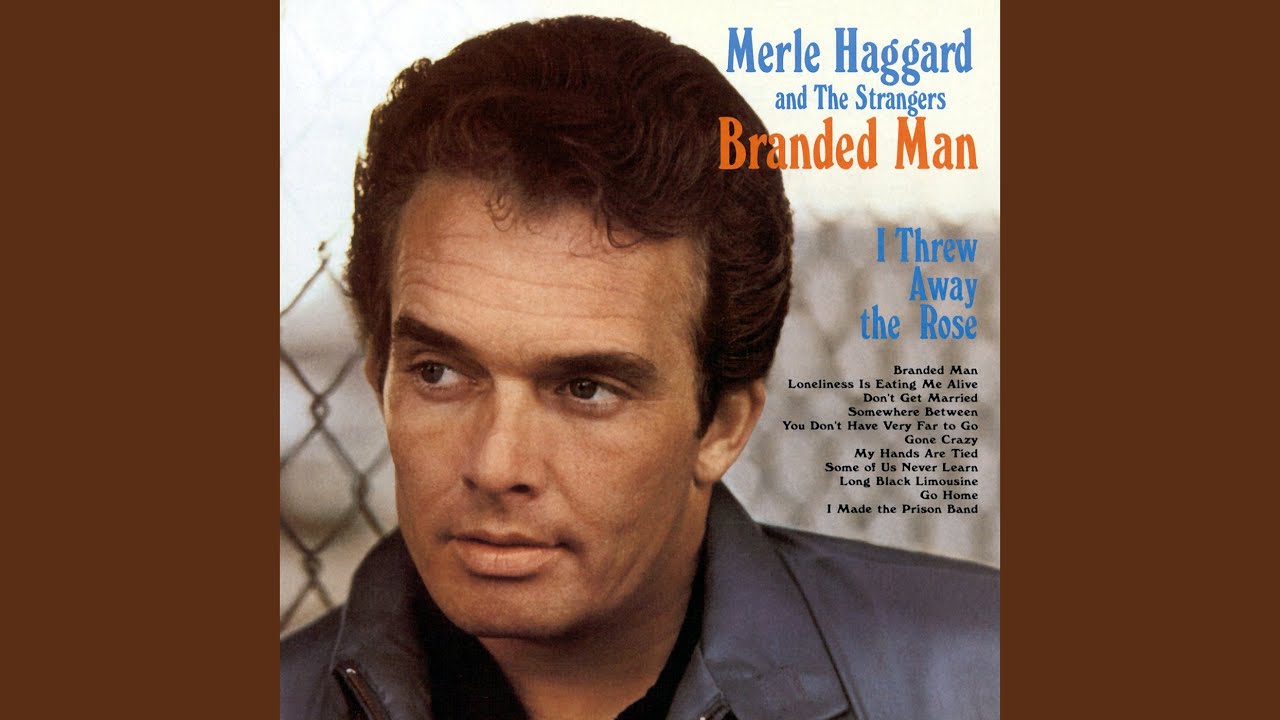
Merle Haggard’s “Branded Man”: A Deep Dive into a Timeless Classic
Merle Haggard’s “Branded Man” is a song that has left an indelible mark on the music world. Released in 1967, this classic tune has been a staple of country music for decades, and its impact can still be felt today. The song’s themes of regret, redemption, and the struggles of the common man continue to resonate with listeners from all walks of life. In this article, we’ll delve into the history of “Branded Man,” exploring its origins, composition, recording, and legacy. We’ll also examine the song’s musical structure, lyrical themes, and cultural significance, shedding light on what makes this song a timeless classic.
The significance of “Branded Man” cannot be overstated. It’s a song that has been covered by countless artists, and its influence can be heard in a wide range of genres, from country to rock to folk. The song’s themes of hardship, struggle, and the human condition continue to inspire new generations of musicians and fans alike. As we explore the story behind “Branded Man,” we’ll gain a deeper understanding of the song’s enduring appeal and its place in the pantheon of American music.
Merle Haggard: A Cornerstone of Music History
Merle Haggard was a country music icon, known for his unique voice, masterful songwriting, and genre-bending style. Born on April 6, 1937, in Oildale, California, Haggard grew up in a family of modest means, and his early life was marked by hardship and struggle. He dropped out of school in the eighth grade and began working odd jobs to support his family. However, it was music that would ultimately become his ticket out of poverty. Haggard’s early influences included Hank Williams, Lefty Frizzell, and Bob Wills, and he began performing in local bars and clubs as a teenager.
Haggard’s big break came in 1962, when he was signed to Capitol Records. His early hits, such as “Sing a Sad Song” and “Sam Hill,” established him as a rising star in the country music scene. However, it was his 1967 album “Branded Man” that would cement his status as a country music legend. The album’s title track, “Branded Man,” would go on to become one of Haggard’s signature songs, and its themes of regret and redemption would resonate with listeners across the country.
Throughout his career, Haggard was known for his unique blend of traditional country, blues, and folk music. He was a master songwriter, and his songs often dealt with themes of love, heartache, and the struggles of the common man. Haggard’s music was also marked by his distinctive voice, which was both rugged and tender at the same time. His vocal style, which blended elements of country, blues, and folk, helped to establish him as one of the most distinctive and influential voices in country music.
The Origin and Composition of “Branded Man”
“Branded Man” was written by Merle Haggard, and the song’s origins are deeply personal. According to Haggard, the song was inspired by his own experiences in prison, where he was serving time for burglary. The song’s lyrics, which deal with themes of regret, redemption, and the struggles of the common man, were drawn from Haggard’s own life experiences. The song’s chorus, which features the iconic line “I’d trade all my tomorrows for a single yesterday,” is a powerful expression of regret and longing.
The song’s composition is also noteworthy. The melody, which features a simple but powerful guitar riff, is both haunting and beautiful. The song’s harmony, which features a soaring vocal arrangement, adds depth and complexity to the melody. The rhythm, which features a steady beat and a driving rhythm section, helps to propel the song forward and create a sense of tension and release.
According to Haggard, the song was written in a matter of minutes. He has said that the song’s lyrics and melody came to him in a flash of inspiration, and that he wrote the song in a single sitting. The song’s rapid composition is a testament to Haggard’s skill as a songwriter, and it’s a reminder that sometimes the best songs are the ones that come from a place of raw emotion and inspiration.
In the Studio: Recording and Production
The recording of “Branded Man” took place in 1967, at Capitol Records’ studios in Los Angeles. The song was produced by Ken Nelson, who was a veteran producer and a key figure in Haggard’s early career. Nelson’s production style, which emphasized simplicity and clarity, helped to bring out the best in Haggard’s music. The song’s recording features a stripped-down arrangement, with Haggard on vocals and guitar, and a small backing band that includes pedal steel, bass, and drums.
The song’s vocal arrangement is also noteworthy. Haggard’s vocal delivery, which is both heartfelt and nuanced, brings the song’s lyrics to life. The song’s harmonies, which feature a soaring vocal arrangement, add depth and complexity to the melody. The song’s backing vocals, which were provided by Haggard’s longtime collaborators, the Strangers, help to create a sense of tension and release.
The song’s instrumental arrangement is also significant. The pedal steel guitar, which was played by Ralph Mooney, adds a sense of melancholy and longing to the song. The bass, which was played by Billy Mize, provides a solid foundation for the song’s rhythm section. The drums, which were played by Eddie Burris, help to propel the song forward and create a sense of tension and release.
Lyrical and Thematic Analysis
The lyrics of “Branded Man” are a powerful expression of regret and longing. The song’s themes, which deal with the struggles of the common man, are both deeply personal and universally relatable. The song’s chorus, which features the iconic line “I’d trade all my tomorrows for a single yesterday,” is a powerful expression of regret and longing. The song’s verses, which deal with themes of hardship and struggle, are a testament to Haggard’s skill as a storyteller.
The song’s lyrics are also notable for their literary quality. The song’s use of metaphor and imagery, which is evident in lines such as “I’m a branded man, with a number and a name,” helps to create a sense of vividness and realism. The song’s use of symbolism, which is evident in the image of the “branding iron,” helps to add depth and complexity to the lyrics.
The song’s themes are also deeply rooted in Haggard’s own life experiences. The song’s lyrics, which deal with themes of regret and redemption, are a testament to Haggard’s own struggles with addiction and personal demons. The song’s message, which is one of hope and redemption, is a powerful expression of the human spirit.
Musical Structure and Emotional Resonance
The musical structure of “Branded Man” is both simple and powerful. The song’s melody, which features a haunting and beautiful guitar riff, is both memorable and hummable. The song’s harmony, which features a soaring vocal arrangement, adds depth and complexity to the melody. The song’s rhythm, which features a steady beat and a driving rhythm section, helps to propel the song forward and create a sense of tension and release.
The song’s emotional resonance is also significant. The song’s themes, which deal with the struggles of the common man, are both deeply personal and universally relatable. The song’s message, which is one of hope and redemption, is a powerful expression of the human spirit. The song’s emotional resonance is also evident in its use of dynamics, which helps to create a sense of contrast and drama. The song’s quiet moments, which feature Haggard’s heartfelt vocals and simple guitar work, are a powerful expression of intimacy and vulnerability.
The song’s use of space and silence is also notable. The song’s arrangement, which features a stripped-down instrumental backing, helps to create a sense of intimacy and vulnerability. The song’s use of silence, which is evident in the spaces between the notes, helps to add depth and complexity to the melody. The song’s overall sound, which is both simple and powerful, is a testament to the skill of Haggard and his collaborators.
Chart Performance and Global Reception
“Branded Man” was a major commercial success, reaching number one on the Billboard country charts in 1967. The song’s success helped to establish Haggard as a major star in the country music scene, and it paved the way for his future hits, such as “Mama Tried” and “Okie from Muskogee.” The song’s global reception was also significant, with the song becoming a hit in countries such as Canada, Australia, and the United Kingdom.
The song’s chart performance was also notable for its longevity. The song stayed on the charts for several months, and it helped to establish Haggard as a consistent hit-maker. The song’s success also helped to launch the career of Haggard’s backing band, the Strangers, who would go on to become one of the most influential and respected bands in country music.
The song’s global reception was also significant for its cultural impact. The song’s themes, which dealt with the struggles of the common man, resonated with listeners from all walks of life. The song’s message, which was one of hope and redemption, helped to inspire a generation of musicians and fans. The song’s influence can be heard in a wide range of genres, from country to rock to folk, and its impact continues to be felt today.
Cultural Legacy and Enduring Impact
“Branded Man” has had a lasting impact on country music and beyond. The song’s influence can be heard in a wide range of genres, from country to rock to folk. The song’s themes, which deal with the struggles of the common man, continue to resonate with listeners from all walks of life. The song’s message, which is one of hope and redemption, has helped to inspire a generation of musicians and fans.
The song’s cultural legacy is also significant. The song has been covered by countless artists, including Johnny Cash, Willie Nelson, and Emmylou Harris. The song’s influence can be heard in the music of artists such as Bruce Springsteen, Bob Dylan, and Kris Kristofferson, who have all cited Haggard as a major influence. The song’s impact can also be heard in the music of contemporary artists, such as Chris Stapleton and Jason Isbell, who continue to draw on Haggard’s legacy for inspiration.
The song’s enduring impact is also evident in its continued popularity. The song remains a staple of country music radio, and it continues to be performed by artists around the world. The song’s influence can also be heard in the music of other genres, such as rock and folk, where its themes and messages continue to resonate with listeners. The song’s legacy is a testament to the power of music to transcend time and genre, and its impact continues to be felt today.
Conclusion: Why “Branded Man” Still Matters Today
“Branded Man” is a song that continues to matter today. The song’s themes, which deal with the struggles of the common man, are both deeply personal and universally relatable. The song’s message, which is one of hope and redemption, is a powerful expression of the human spirit. The song’s influence can be heard in a wide range of genres, from country to rock to folk, and its impact continues to be felt today.
The song’s enduring impact is a testament to the power of music to transcend time and genre. The song’s legacy is a reminder that music has the ability to inspire, to comfort, and to challenge us. The song’s continued popularity is a testament to the enduring power of Haggard’s music, and it’s a reminder that his legacy continues to inspire new generations of musicians and fans.
In conclusion, “Branded Man” is a song that continues to matter today. The song’s themes, its message, and its influence all contribute to its enduring impact. The song’s legacy is a testament to the power of music to transcend time and genre, and its continued popularity is a reminder that Haggard’s music continues to inspire and influence new generations of musicians and fans. As we look back on the history of “Branded Man,” we are reminded of the enduring power of music to touch our hearts, to challenge our minds, and to inspire us to be our best selves.