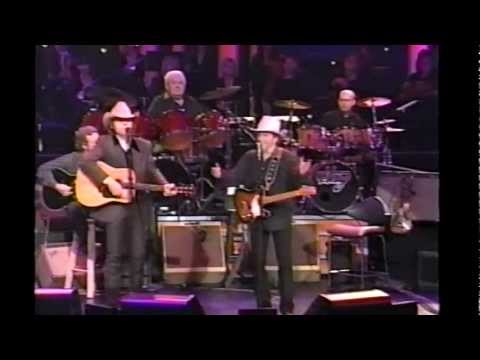
Merle Haggard’s “Swinging Doors”: A Timeless Classic in Music History
In the pantheon of country music, few songs resonate as deeply and authentically as Merle Haggard’s “Swinging Doors.” A vivid portrayal of heartache and the struggle of everyday life, this track stands as a testament to Haggard’s genius as a songwriter and a performer. Originally released in 1966, “Swinging Doors” has not only solidified Haggard’s status as a country music legend but also influenced countless artists, including the modern country icon Dwight Yoakam, who has paid homage to Haggard’s work. This article delves into the intricacies of “Swinging Doors,” exploring its significance, themes, and lasting legacy within the music world.
Merle Haggard: A Cornerstone of Music
Merle Haggard, born on April 6, 1937, in Oildale, California, is often regarded as one of the most influential figures in country music history. Emerging from a background of hardship, including a troubled youth that led to time in prison, Haggard’s life experiences infused his songwriting with authenticity and raw emotion. He became a voice for the working-class American, often blending elements of honky-tonk, bluegrass, and folk music to create a distinctive sound that resonated with audiences across the nation. Haggard’s career lasted more than five decades, during which he produced a plethora of hits, earning numerous awards and accolades, including a place in the Country Music Hall of Fame.
The Era of “Swinging Doors”
“Swinging Doors” was released during a pivotal time in country music, marking the transition from the traditional sounds of the genre to a more polished, commercial style that would come to dominate the charts. The mid-1960s saw the rise of the Nashville Sound, characterized by smooth production and orchestral arrangements. However, Haggard’s music retained a rough authenticity that appealed to the heart of country music fans. “Swinging Doors,” with its honky-tonk roots and poignant storytelling, emerged as a beacon of real-life experiences amidst the changing landscape, capturing the struggles and emotions of everyday people.
Songwriting Credits and Significance
The Storyline of “Swinging Doors”
At its core, “Swinging Doors” tells the story of a man grappling with heartbreak and loneliness. The protagonist finds solace in the bar scene, where the swinging doors of the establishment symbolize both escape and entrapment. The song reflects the pain of lost love and the sense of disillusionment that often accompanies it. Through vivid imagery, Haggard paints a picture of a man seeking refuge in a bar, only to be confronted by the memories of his lost relationship. The narrative is relatable and timeless, capturing the universal experience of heartache and the longing for connection.
Lyrical and Thematic Analysis
The lyrics of “Swinging Doors” are a masterclass in succinct storytelling. Haggard’s choice of words is deliberate, creating a powerful emotional impact. Themes of loneliness, regret, and the search for solace are prevalent throughout the song. Lines that describe the ambiance of the bar, the sounds of laughter and music, juxtapose the protagonist’s internal struggle, highlighting the contrast between external joy and internal sorrow. Haggard’s ability to convey complex emotions through simple yet poignant lyrics is a hallmark of his songwriting, making “Swinging Doors” a profound exploration of the human experience.
Vocal Delivery and Emotional Interpretation
Merle Haggard’s vocal delivery in “Swinging Doors” is nothing short of extraordinary. His rich, baritone voice imbues the song with a sense of authenticity and vulnerability. Haggard’s phrasing and timing accentuate the emotional weight of the lyrics, allowing listeners to feel the protagonist’s pain and longing. The way he conveys the nuances of heartbreak through subtle changes in tone and dynamics adds depth to the interpretation. Haggard’s ability to connect with the audience on an emotional level is a testament to his artistry and enduring appeal.
Instrumentation and Production Style
The instrumentation in “Swinging Doors” reflects the traditional honky-tonk style that Haggard is known for. The song features a classic arrangement, with prominent steel guitar, fiddle, and a steady rhythm section that drives the narrative forward. The production style is straightforward, allowing the lyrics and Haggard’s vocals to take center stage. This simplicity is one of the song’s strengths, as it emphasizes the raw emotion and storytelling that are hallmarks of country music. The instrumental choices complement the lyrical themes, creating a cohesive listening experience that resonates with audiences.
Chart Performance and Cultural Impact
“Swinging Doors” was a commercial success, reaching No. 5 on the Billboard Hot Country Songs chart. Its impact extended beyond the charts, as it became a staple in honky-tonk bars and dance halls across the country. The song helped solidify Haggard’s reputation as a leading figure in country music and contributed to the genre’s evolution during the 1960s. Moreover, the track’s influence can be seen in the work of subsequent artists, including Dwight Yoakam, who has cited Haggard as a significant inspiration. Yoakam’s own version of “Swinging Doors” pays homage to Haggard’s legacy, further demonstrating the song’s lasting impact on the country music landscape.
Legacy within Classic Music
The legacy of “Swinging Doors” endures as a quintessential example of Merle Haggard’s artistry and the rich tradition of country music storytelling. The song has been covered by numerous artists over the years, signifying its timeless appeal and relevance. Haggard’s ability to capture the essence of the human experience through his music continues to resonate with new generations of listeners. As country music evolves, “Swinging Doors” remains a touchstone, reminding audiences of the genre’s roots in authenticity and emotional depth.
In conclusion, “Swinging Doors” stands as an enduring classic in the annals of music history. Through its poignant lyrics, heartfelt vocal delivery, and rich instrumentation, Merle Haggard crafted a song that transcends time, encapsulating the struggles and emotions of life. As both a testament to Haggard’s legacy and a source of inspiration for artists like Dwight Yoakam, “Swinging Doors” will forever hold a cherished place in the hearts of country music fans around the world.
“`
—