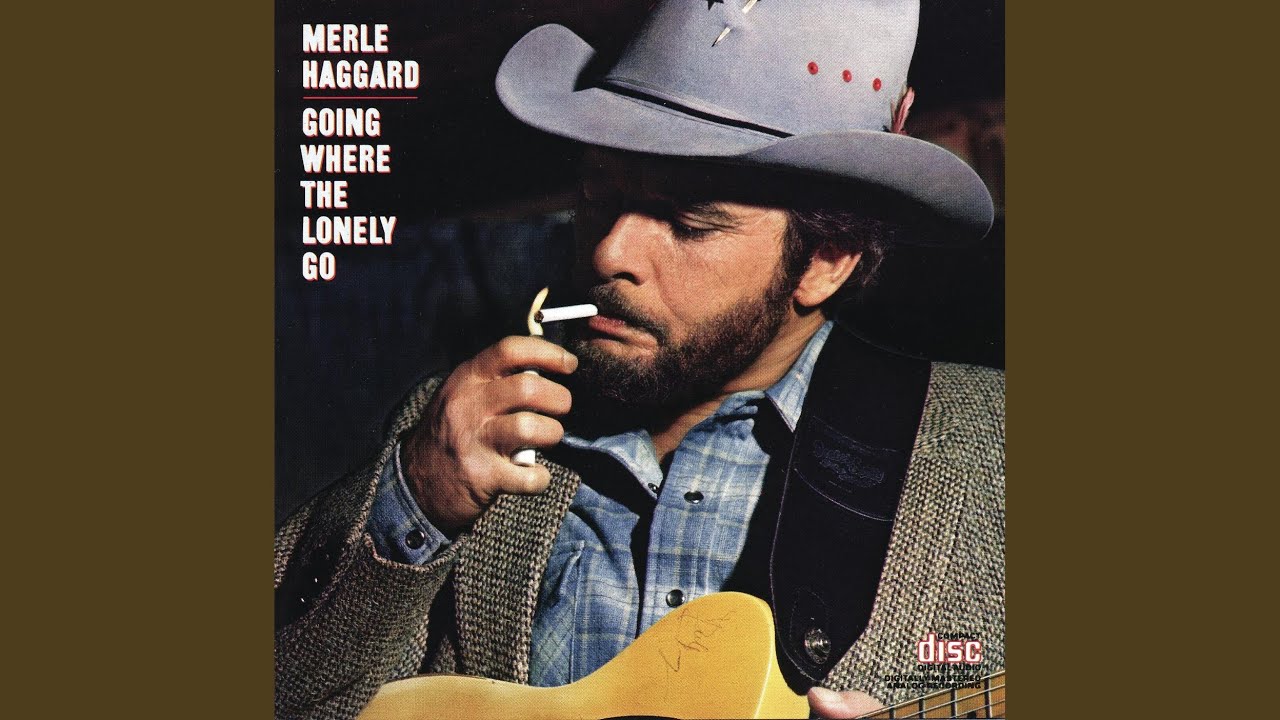
Merle Haggard’s “Going Where the Lonely Go”: A Deep Dive into a Timeless Classic
Merle Haggard’s “Going Where the Lonely Go” is a song that embodies the spirit of classic country music, with its poignant lyrics, soaring melody, and heartfelt delivery. Released in 1982, this song has become an iconic representation of Haggard’s unique style, which blends elements of traditional country, honky-tonk, and outlaw country to create a sound that is both deeply personal and universally relatable. With its themes of love, loss, and longing, “Going Where the Lonely Go” has resonated with listeners for decades, cementing its place as one of the greatest country songs of all time. In this article, we’ll delve into the history and significance of this beloved song, exploring its origins, composition, recording, and lasting impact on the music world.
From its initial release, “Going Where the Lonely Go” has been praised for its emotional honesty and vulnerability, with Haggard’s distinctive vocals conveying the pain and sadness of a love that’s lost. The song’s soaring chorus, coupled with its simple yet effective melody, has made it a fan favorite, with many covering the song in their own performances. But beyond its catchy melody and memorable lyrics, “Going Where the Lonely Go” represents a deeper connection to the human experience, one that transcends genres and speaks to our shared emotions and experiences. As we explore the story behind this song, we’ll see how it reflects not only Haggard’s own life and struggles but also the broader cultural and social context of its time.
Merle Haggard: A Cornerstone of Music History
Merle Haggard was a true legend of country music, with a career spanning over five decades and a legacy that continues to inspire new generations of artists and fans. Born on April 6, 1937, in Oildale, California, Haggard grew up in a poor household, with his father passing away when he was just nine years old. This early hardship would later influence his music, as he drew upon his experiences of poverty, prison, and struggle to create songs that were both deeply personal and universally relatable.
Haggard’s entry into music was far from conventional. As a teenager, he was incarcerated in San Quentin State Prison for burglary, where he was introduced to the music of Johnny Cash, who performed at the prison in 1958. This encounter had a profound impact on Haggard, who began to see music as a way to express himself and tell his story. After his release from prison, Haggard started performing in local bars and clubs, eventually landing a recording contract with Tally Records in 1962. His early success was marked by hits like “Sing a Sad Song” and “Sam Hill,” but it was his 1966 single “Okie from Muskogee” that catapulted him to national fame, earning him a Grammy nomination and establishing him as a major force in country music.
Throughout his career, Haggard was known for his unique blend of traditional country, honky-tonk, and outlaw country, which reflected his own rebellious spirit and nonconformist attitude. He was a key figure in the outlaw country movement of the 1970s, alongside artists like Willie Nelson and Waylon Jennings, and his music often addressed themes of social justice, personal freedom, and the struggles of the working class. With his distinctive baritone voice, masterful songwriting, and unwavering commitment to his art, Haggard left an indelible mark on the music world, earning him numerous awards, including multiple Grammy, CMA, and ACM Awards.
The Origin and Composition of “Going Where the Lonely Go”
“Going Where the Lonely Go” was written by Merle Haggard, in collaboration with his longtime friend and songwriting partner, Dean Holloway. The song’s origins date back to the early 1980s, when Haggard was going through a period of personal turmoil, including a divorce and a struggle with addiction. It was during this time that he began to reflect on his life, his relationships, and the choices he had made, and it was out of this introspection that “Going Where the Lonely Go” was born.
The song’s lyrics are characterized by their poignant simplicity, with Haggard’s vocals conveying the pain and sadness of a love that’s lost. The song’s narrative is deeply personal, with Haggard drawing upon his own experiences of heartbreak and loneliness to craft a story that is both universally relatable and deeply individual. The song’s chorus, with its soaring melody and heartfelt delivery, has become one of Haggard’s most iconic, and its themes of love, loss, and longing continue to resonate with listeners to this day.
One of the most interesting aspects of “Going Where the Lonely Go” is its use of imagery and metaphor to convey the emotions and themes of the song. The lyrics are filled with vivid descriptions of the natural world, from the “dark and lonely night” to the “wind that whispers low,” and it’s through these images that Haggard is able to convey the depth of his emotions and the complexity of his experiences. This use of imagery is a hallmark of Haggard’s songwriting style, and it’s a key element of what makes “Going Where the Lonely Go” such a powerful and enduring song.
In the Studio: Recording and Production
The recording of “Going Where the Lonely Go” took place in 1982, at Haggard’s own studio in Tennessee. The song was produced by Haggard himself, in collaboration with his longtime producer, Ron Reynolds. The recording session was marked by a sense of intimacy and spontaneity, with Haggard and his band working together to create a sound that was both deeply personal and universally relatable.
The song’s arrangement is characterized by its simplicity and elegance, with a focus on Haggard’s vocals and the sparse, acoustic instrumentation of his band. The song’s melody is built around a simple, haunting guitar riff, which provides a sense of tension and release that underscores the emotional intensity of the lyrics. The vocal delivery is equally impressive, with Haggard’s distinctive baritone conveying the pain and sadness of the song’s narrative.
One of the most interesting aspects of the recording session was the use of a live string section, which added a sense of depth and texture to the song’s arrangement. The strings were arranged by Haggard himself, and they provide a sense of drama and tension that underscores the emotional intensity of the lyrics. The use of strings was a departure from Haggard’s usual style, which tended to focus on more stripped-down, honky-tonk arrangements, but it was a choice that paid off in the end, adding a sense of sophistication and elegance to the song’s sound.
Lyrical and Thematic Analysis
The lyrics of “Going Where the Lonely Go” are a deeply personal and poetic exploration of the human experience, with Haggard drawing upon his own experiences of love, loss, and longing to craft a story that is both universally relatable and deeply individual. The song’s narrative is characterized by its poignant simplicity, with Haggard’s vocals conveying the pain and sadness of a love that’s lost.
One of the most interesting aspects of the song’s lyrics is their use of imagery and metaphor to convey the emotions and themes of the song. The lyrics are filled with vivid descriptions of the natural world, from the “dark and lonely night” to the “wind that whispers low,” and it’s through these images that Haggard is able to convey the depth of his emotions and the complexity of his experiences. This use of imagery is a hallmark of Haggard’s songwriting style, and it’s a key element of what makes “Going Where the Lonely Go” such a powerful and enduring song.
The song’s themes of love, loss, and longing are equally impressive, with Haggard drawing upon his own experiences of heartbreak and loneliness to craft a story that is both deeply personal and universally relatable. The song’s narrative is characterized by its sense of introspection and self-awareness, with Haggard reflecting on his own choices and experiences in a way that is both deeply honest and deeply vulnerable. This sense of vulnerability is a key element of the song’s appeal, and it’s what makes “Going Where the Lonely Go” such a powerful and enduring song.
Musical Structure and Emotional Resonance
The musical structure of “Going Where the Lonely Go” is characterized by its simplicity and elegance, with a focus on Haggard’s vocals and the sparse, acoustic instrumentation of his band. The song’s melody is built around a simple, haunting guitar riff, which provides a sense of tension and release that underscores the emotional intensity of the lyrics. The vocal delivery is equally impressive, with Haggard’s distinctive baritone conveying the pain and sadness of the song’s narrative.
One of the most interesting aspects of the song’s musical structure is its use of dynamics and contrast to create a sense of drama and tension. The song’s arrangement is marked by a sense of restraint and simplicity, with the instrumentation and vocals working together to create a sense of intimacy and vulnerability. This sense of intimacy is a key element of the song’s appeal, and it’s what makes “Going Where the Lonely Go” such a powerful and enduring song.
The song’s emotional resonance is equally impressive, with Haggard’s vocals conveying the pain and sadness of the song’s narrative in a way that is both deeply honest and deeply vulnerable. The song’s themes of love, loss, and longing are universally relatable, and it’s through Haggard’s masterful songwriting and heartfelt delivery that the song is able to connect with listeners on such a deep and emotional level. This sense of emotional resonance is a key element of the song’s appeal, and it’s what makes “Going Where the Lonely Go” such a beloved and enduring classic.
Chart Performance and Global Reception
“Going Where the Lonely Go” was a major commercial success, reaching the top of the Billboard Hot Country Songs chart in 1982. The song’s success was not limited to the United States, with the song also charting in several other countries, including Canada and Australia. The song’s global reception was equally impressive, with critics and fans praising the song’s poignant lyrics, soaring melody, and heartfelt delivery.
The song’s chart performance was a testament to Haggard’s enduring popularity and influence, with the song marking a major milestone in his career. The song’s success also helped to establish Haggard as one of the leading figures in country music, with the song’s themes of love, loss, and longing resonating with listeners around the world. The song’s impact was not limited to the country music scene, with the song also influencing a wide range of other genres, from rock and pop to blues and folk.
One of the most interesting aspects of the song’s chart performance was its ability to transcend genres and appeal to a wide range of listeners. The song’s themes of love, loss, and longing are universally relatable, and it’s through Haggard’s masterful songwriting and heartfelt delivery that the song is able to connect with listeners on such a deep and emotional level. This sense of universality is a key element of the song’s appeal, and it’s what makes “Going Where the Lonely Go” such a beloved and enduring classic.
Cultural Legacy and Enduring Impact
“Going Where the Lonely Go” has had a profound and lasting impact on the music world, with the song influencing a wide range of artists and genres. The song’s themes of love, loss, and longing are universally relatable, and it’s through Haggard’s masterful songwriting and heartfelt delivery that the song is able to connect with listeners on such a deep and emotional level. The song’s influence can be heard in a wide range of other artists, from country and rock to blues and folk, and its impact continues to be felt to this day.
One of the most interesting aspects of the song’s cultural legacy is its ability to transcend genres and appeal to a wide range of listeners. The song’s themes of love, loss, and longing are universally relatable, and it’s through Haggard’s masterful songwriting and heartfelt delivery that the song is able to connect with listeners on such a deep and emotional level. This sense of universality is a key element of the song’s appeal, and it’s what makes “Going Where the Lonely Go” such a beloved and enduring classic.
The song’s enduring impact is equally impressive, with the song continuing to inspire new generations of artists and fans. The song’s influence can be heard in a wide range of other artists, from country and rock to blues and folk, and its impact continues to be felt to this day. The song’s themes of love, loss, and longing are timeless and universal, and it’s through Haggard’s masterful songwriting and heartfelt delivery that the song is able to connect with listeners on such a deep and emotional level. This sense of timelessness is a key element of the song’s appeal, and it’s what makes “Going Where the Lonely Go” such a beloved and enduring classic.
Conclusion: Why “Going Where the Lonely Go” Still Matters Today
“Going Where the Lonely Go” is a song that continues to matter today, with its themes of love, loss, and longing remaining universally relatable and deeply impactful. The song’s influence can be heard in a wide range of other artists, from country and rock to blues and folk, and its impact continues to be felt to this day. The song’s ability to transcend genres and appeal to a wide range of listeners is a testament to its enduring power and significance, and it’s what makes “Going Where the Lonely Go” such a beloved and enduring classic.
The song’s cultural legacy is equally impressive, with the song influencing a wide range of artists and genres. The song’s themes of love, loss, and longing are timeless and universal, and it’s through Haggard’s masterful songwriting and heartfelt delivery that the song is able to connect with listeners on such a deep and emotional level. This sense of timelessness is a key element of the song’s appeal, and it’s what makes “Going Where the Lonely Go” such a beloved and enduring classic.
In conclusion, “Going Where the Lonely Go” is a song that continues to matter today, with its themes of love, loss, and longing remaining universally relatable and deeply impactful. The song’s influence can be heard in a wide range of other artists, from country and rock to blues and folk, and its impact continues to be felt to this day. The song’s ability to transcend genres and appeal to a wide range of listeners is a testament to its enduring power and significance, and it’s what makes “Going Where the Lonely Go” such a beloved and enduring classic. As we look back on the song’s history and significance, it’s clear that “Going Where the Lonely Go” will continue to be a timeless and universal classic, one that will continue to inspire and connect with listeners for generations to come.