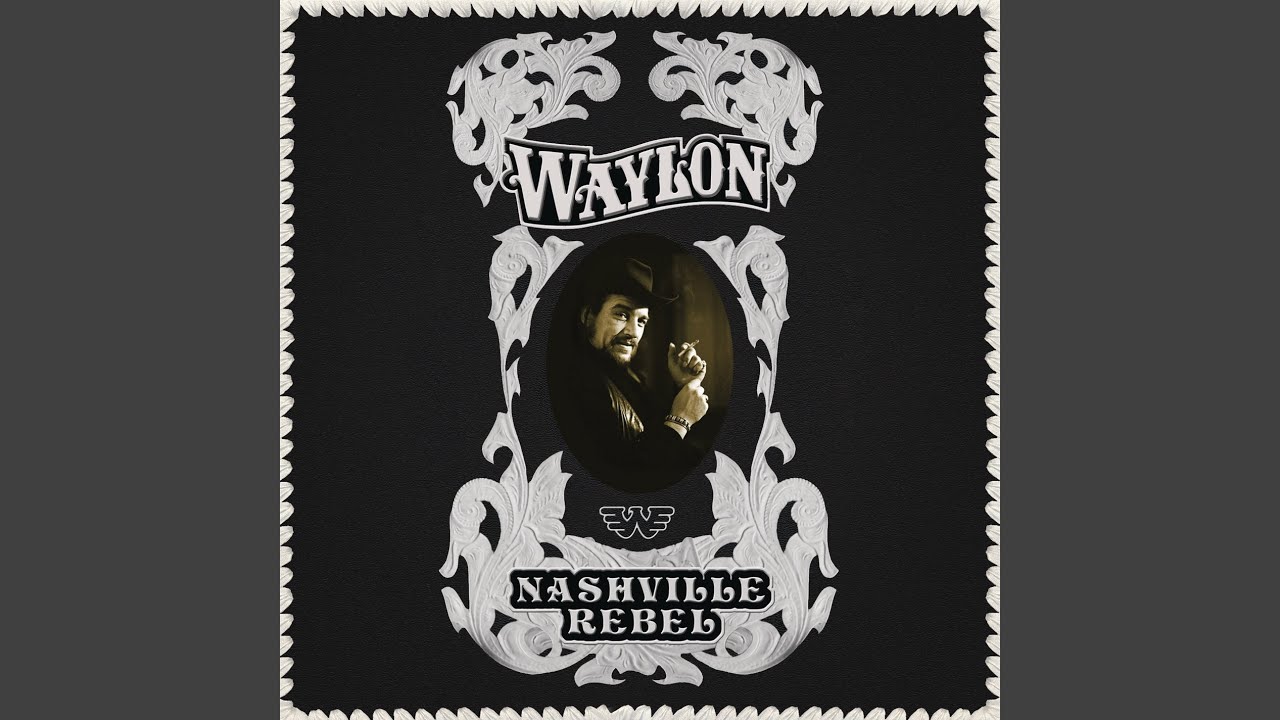
Waylon Jennings’ “Bob Wills Is Still the King”: A Deep Dive into a Timeless Classic
Waylon Jennings’ “Bob Wills Is Still the King” is a song that has stood the test of time, a testament to the enduring legacy of traditional country music and the innovative spirit of its creator. Released in 1975, this song not only pays homage to the legendary Bob Wills, often regarded as the father of Western swing, but also encapsulates the essence of a bygone era, weaving a narrative that blends nostalgia, admiration, and a deep-rooted love for authentic American music. The impact of “Bob Wills Is Still the King” extends far beyond its release, influencing generations of musicians and fans alike, and cementing Waylon Jennings’ position as a cornerstone of music history. This article delves into the intricacies of the song, its historical context, musical composition, and the profound legacy it has left on the music world.
The song’s relevance and appeal can be attributed to its ability to transcend time, speaking to audiences with its genuine, heartfelt tribute to a musical legend. It’s a song that embodies the spirit of rebellion and nonconformity that defined Waylon Jennings’ career, while also showcasing his deep respect for the musical traditions that paved the way for his own success. As we explore the depths of “Bob Wills Is Still the King,” it becomes clear that this song is more than just a nostalgic ode to a bygone era; it’s a celebration of the enduring power of music to inspire, to heal, and to bring people together across generations and genres.
Waylon Jennings: A Cornerstone of Music History
Waylon Jennings was a pivotal figure in the development of country music, known for his distinctive baritone voice, fierce independence, and unwavering commitment to his artistic vision. Born on June 15, 1937, in Littlefield, Texas, Jennings grew up in a musical family, with his mother encouraging his early interest in music. His professional career began in the late 1950s, playing bass for Buddy Holly, a period that would have a profound influence on his musical style and philosophy. The tragic death of Buddy Holly in 1959 marked a turning point in Jennings’ life, leading him to pursue a solo career that would span over three decades and include numerous chart-topping hits.
Jennings’ impact on country music cannot be overstated. He was a key figure in the Outlaw Country movement of the 1970s, a rebellion against the slick, polished production that had become synonymous with the Nashville sound. Alongside artists like Willie Nelson, Johnny Cash, and Kris Kristofferson, Jennings sought to reclaim the raw, emotional authenticity of country music, pushing against the boundaries of what was considered acceptable by the music industry. This movement not only revitalized country music but also paved the way for future generations of musicians who sought to express themselves honestly and without compromise.
Throughout his career, Jennings was recognized with numerous awards and accolades, including multiple Grammy nominations and inductions into the Country Music Hall of Fame and the Rock and Roll Hall of Fame. His legacy extends far beyond his own music, influencing a wide range of artists from various genres who have been inspired by his courage, creativity, and unwavering dedication to his art.
The Origin and Composition of “Bob Wills Is Still the King”
“Bob Wills Is Still the King” was written by Waylon Jennings, a tribute to the legendary Bob Wills, who was not only a personal hero but also a pivotal figure in the development of Western swing and country music. Bob Wills, known as the “King of Western Swing,” was a fiddler, singer, and bandleader who, with his band The Texas Playboys, helped to create a unique sound that blended elements of country, swing, jazz, and blues. Wills’ music and legacy had a profound impact on Jennings, who saw him as a symbol of the authentic, roots-driven music that he himself sought to create.
The song was composed during a period of great creativity and change for Jennings, who was in the midst of the Outlaw Country movement. It reflects his desire to reconnect with the musical traditions that had inspired him, while also making a statement about the state of country music at the time. By declaring “Bob Wills Is Still the King,” Jennings was not only paying tribute to a musical legend but also asserting his belief in the enduring relevance and importance of traditional country music.
The story behind the song is as fascinating as the song itself, reflecting Jennings’ personal experiences and musical influences. It’s a testament to the power of music to transcend time and generations, speaking to universal themes of admiration, respect, and the pursuit of artistic integrity. Through “Bob Wills Is Still the King,” Jennings managed to capture the essence of a bygone era, while also contributing to the evolution of country music, ensuring its relevance and vitality for years to come.
In the Studio: Recording and Production
The recording of “Bob Wills Is Still the King” took place in 1975, a time when Jennings was at the height of his creative powers and commercial success. The session was characterized by Jennings’ typical approach to recording, which emphasized live performances, minimal overdubs, and a focus on capturing the raw, emotional essence of the music. This approach not only reflected Jennings’ artistic philosophy but also contributed to the distinctive sound and feel of the song, which is marked by its spontaneity, warmth, and sense of immediacy.
The iconic sounds on the track, including the fiddle and pedal steel guitar, were carefully chosen to evoke the spirit of Bob Wills and Western swing. The vocal arrangements, featuring Jennings’ distinctive baritone, were designed to convey the emotional depth and sincerity of the lyrics, drawing the listener into the narrative and creating a sense of intimacy and connection. The production, overseen by Jennings himself, was minimalist and unobtrusive, allowing the music and the message to take center stage.
The result was a song that sounded both contemporary and timeless, a blend of traditional and modern elements that appealed to a wide range of audiences. The success of “Bob Wills Is Still the King” can be attributed, in part, to its innovative production and the creative risks taken by Jennings and his team. By pushing the boundaries of what was possible in country music, Jennings helped to pave the way for future innovations and experiments, ensuring the genre’s continued relevance and vitality.
Lyrical and Thematic Analysis
The lyrics of “Bob Wills Is Still the King” are a heartfelt tribute to Bob Wills and the musical legacy he left behind. They paint a vivid picture of Wills’ impact on country music, from his early days as a fiddler and singer to his later years as a bandleader and innovator. The song is not just a biography, however; it’s also a deeply personal and philosophical reflection on the nature of music, tradition, and artistic integrity. Through the lyrics, Jennings expresses his admiration for Wills’ commitment to his art, his refusal to compromise, and his unwavering dedication to the music he loved.
The themes explored in “Bob Wills Is Still the King” are universal and timeless, speaking to audiences across generations and genres. The song is about the power of music to inspire, to heal, and to bring people together, as well as the importance of preserving and honoring the musical traditions that have shaped our culture. It’s a celebration of the human spirit, with all its complexities and contradictions, and a testament to the enduring legacy of Bob Wills and the music he created.
The lyrics also contain a sense of nostalgia and longing, a yearning for a bygone era when music was more authentic, more raw, and more emotionally honest. This nostalgia is not sentimental or romanticized, however; it’s a deeply felt and deeply personal reflection on the state of music and the world. Through “Bob Wills Is Still the King,” Jennings is not only paying tribute to the past but also commenting on the present and future of country music, urging his listeners to remember their roots and to stay true to their artistic vision.
Musical Structure and Emotional Resonance
The musical structure of “Bob Wills Is Still the King” is characterized by its simplicity, elegance, and emotional resonance. The melody, which features a soaring chorus and a haunting verse, is both memorable and melancholic, capturing the sense of longing and nostalgia that pervades the lyrics. The harmony, which blends traditional country chords with hints of swing and jazz, adds depth and complexity to the song, while the rhythm, driven by a combination of acoustic guitar, fiddle, and pedal steel, creates a sense of forward momentum and energy.
The vocal delivery, which is both heartfelt and understated, brings the lyrics to life, conveying the emotional intensity and sincerity of the song. Jennings’ baritone voice, with its distinctive warmth and character, is perfectly suited to the material, adding a sense of authenticity and gravitas to the performance. The vocal arrangements, which feature Jennings on lead vocals, are minimalist and unobtrusive, allowing the listener to focus on the lyrics and the message of the song.
The emotional resonance of “Bob Wills Is Still the King” is profound and lasting, speaking to listeners on a deep and personal level. The song has a way of connecting with people, of evoking emotions and memories that are both universal and intensely personal. This resonance can be attributed to the song’s honesty, its vulnerability, and its willingness to confront the complexities and challenges of life. Through “Bob Wills Is Still the King,” Jennings creates a sense of community and shared experience, bringing his listeners together in a celebration of music, tradition, and the human spirit.
Chart Performance and Global Reception
“Bob Wills Is Still the King” was a major commercial success, reaching the top of the Billboard country charts in 1975. The song’s success can be attributed to its timeless appeal, its memorable melody, and its heartfelt tribute to a musical legend. The song resonated with audiences across the United States, from the traditional country fans who appreciated its roots-driven sound to the newer, younger listeners who were drawn to its energy, simplicity, and emotional honesty.
The global reception of “Bob Wills Is Still the King” was equally impressive, with the song becoming a hit in countries such as Canada, Australia, and the United Kingdom. The song’s international appeal can be attributed to its universal themes, its memorable melody, and its ability to transcend cultural and geographical boundaries. “Bob Wills Is Still the King” is a song that speaks to people everywhere, a testament to the power of music to unite and inspire us, regardless of our background or nationality.
The song’s chart performance and global reception are a reflection of its enduring popularity and influence. “Bob Wills Is Still the King” has been covered by numerous artists, from traditional country singers to rock and pop musicians, and has been featured in various films, television shows, and documentaries. The song’s impact extends far beyond its commercial success, however; it has also played a significant role in shaping the sound and direction of country music, influencing a wide range of artists and genres.
Cultural Legacy and Enduring Impact
The cultural legacy of “Bob Wills Is Still the King” is profound and far-reaching, extending beyond the world of country music to influence a wide range of artistic and cultural expressions. The song’s impact can be seen in the work of numerous artists, from Willie Nelson and Johnny Cash to Bob Dylan and Bruce Springsteen, all of whom have been inspired by Jennings’ commitment to his art and his refusal to compromise.
The song’s enduring impact can also be attributed to its ability to evoke a sense of nostalgia and longing, a yearning for a bygone era when music was more authentic, more raw, and more emotionally honest. This nostalgia is not sentimental or romanticized, however; it’s a deeply felt and deeply personal reflection on the state of music and the world. Through “Bob Wills Is Still the King,” Jennings is not only paying tribute to the past but also commenting on the present and future of country music, urging his listeners to remember their roots and to stay true to their artistic vision.
The song’s influence extends beyond the music world, as well, with its themes of tradition, community, and artistic integrity resonating with audiences from all walks of life. “Bob Wills Is Still the King” is a song that speaks to universal human experiences, from the importance of preserving our cultural heritage to the need to stay true to ourselves and our values. The song’s legacy is a testament to the power of music to inspire, to heal, and to bring people together, a reminder of the enduring importance of art and culture in our lives.
Conclusion: Why “Bob Wills Is Still the King” Still Matters Today
“Bob Wills Is Still the King” is a song that continues to resonate with audiences today, a testament to the enduring power of music to inspire, to heal, and to bring people together. The song’s impact extends far beyond its release in 1975, influencing generations of musicians and fans alike, and cementing Waylon Jennings’ position as a cornerstone of music history. Through its heartfelt tribute to Bob Wills and the musical legacy he left behind, “Bob Wills Is Still the King” speaks to universal themes of tradition, community, and artistic integrity, reminding us of the importance of preserving our cultural heritage and staying true to ourselves and our values.
The song’s relevance and appeal can be attributed to its ability to transcend time, speaking to audiences with its genuine, heartfelt tribute to a musical legend. It’s a song that embodies the spirit of rebellion and nonconformity that defined Waylon Jennings’ career, while also showcasing his deep respect for the musical traditions that paved the way for his own success. As we reflect on the legacy of “Bob Wills Is Still the King,” it becomes clear that this song is more than just a nostalgic ode to a bygone era; it’s a celebration of the enduring power of music to inspire, to heal, and to bring people together across generations and genres.
In conclusion, “Bob Wills Is Still the King” is a song that will continue to matter for years to come, a testament to the timeless appeal of traditional country music and the innovative spirit of its creator. The song’s impact on the music world is immeasurable, influencing a wide range of artists and genres, and its cultural legacy extends far beyond the world of country music, speaking to universal human experiences and themes. As we look to the future of music, “Bob Wills Is Still the King” reminds us of the importance of preserving our cultural heritage, staying true to ourselves and our values, and celebrating the power of music to inspire, to heal, and to bring people together.