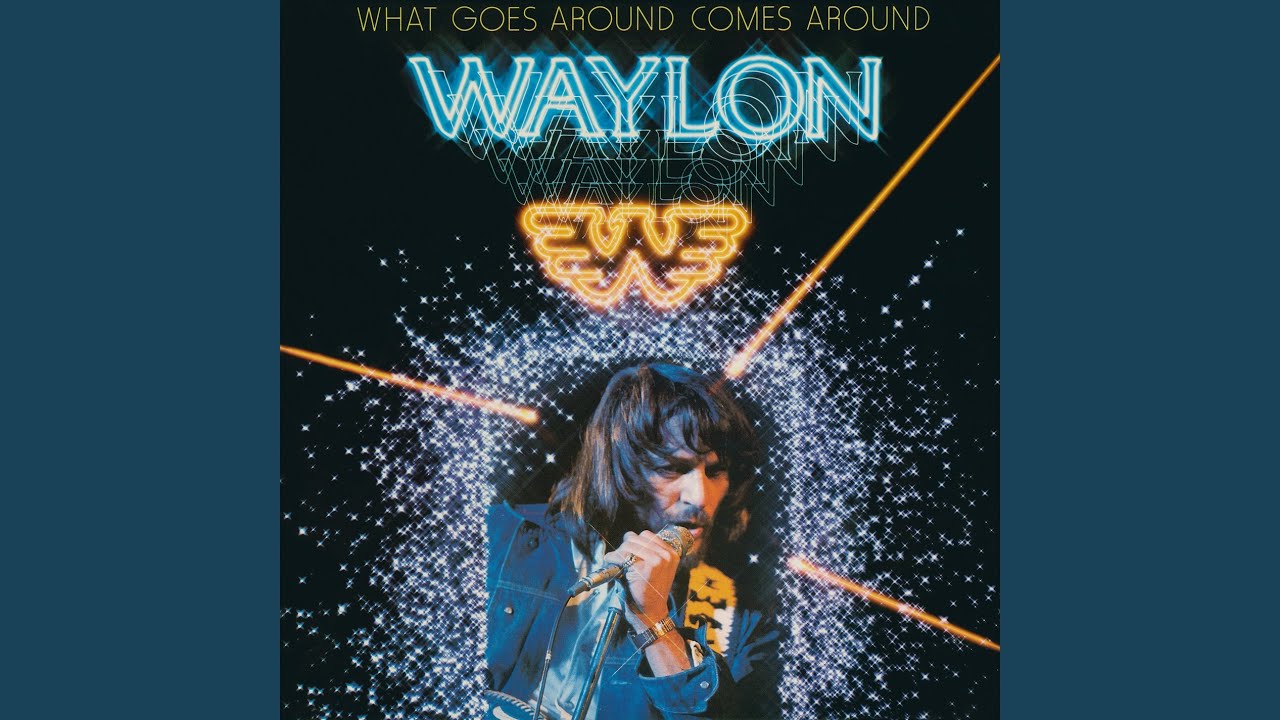
Waylon Jennings’ “I Ain’t Living Long Like This”: A Deep Dive into a Timeless Classic
Released in 1979, “I Ain’t Living Long Like This” by Waylon Jennings is a song that not only encapsulates the spirit of outlaw country but also transcends genres, speaking to a universal human experience of rebellion, freedom, and the quest for authenticity. This iconic track, penned by Rodney Crowell, has become an anthem for those who refuse to be bound by conventional norms, its impact resonating deeply across decades. The song’s enduring appeal can be attributed to its masterful blend of poignant lyrics, memorable melody, and Jennings’ distinctive, rugged vocals, all set against the backdrop of a pivotal moment in music history. As we delve into the world of “I Ain’t Living Long Like This,” we’ll explore the song’s impact, its creator’s legacy, and the historical context that made this song a timeless classic.
The legacy of “I Ain’t Living Long Like This” is a testament to the power of music to capture the essence of an era and to inspire future generations. With its themes of nonconformity and the pursuit of one’s own path, the song has become a beacon for those seeking to challenge the status quo and forge their own way. Whether in the realm of country music or beyond, “I Ain’t Living Long Like This” stands as a landmark, its influence evident in the work of countless artists who have followed in Jennings’ footsteps. As we examine the song’s history, composition, and lasting impact, it becomes clear that “I Ain’t Living Long Like This” is more than just a song – it’s a cultural touchstone, a symbol of the unyielding spirit of rebellion that defines the best of American music.
Waylon Jennings: A Cornerstone of Music History
Waylon Jennings was a pivotal figure in the development of outlaw country, a movement that sought to break free from the polished, commercial sound of mainstream Nashville. Born on June 15, 1937, in Littlefield, Texas, Jennings’ early life was marked by a deep love for music, influenced by his mother’s guitar playing and the sounds of Hank Williams, among others. His professional career began in the 1950s, playing bass for Buddy Holly, a stint that ended abruptly with the tragic death of Holly in 1959. This event, known as “The Day the Music Died,” had a profound impact on Jennings, shaping his perspective on life and music.
Jennings’ own music career spanned over four decades, during which he released numerous albums and singles, many of which have become classics of the country genre. His collaboration with other outlaw country musicians, such as Willie Nelson, Johnny Cash, and Kris Kristofferson, led to the formation of The Highwaymen, a supergroup that embodied the spirit of rebellion and artistic freedom. Jennings’ influence extends beyond country music, with his unique style and sound affecting artists across various genres. His commitment to creating music on his own terms, free from the constraints of traditional Nashville, paved the way for future generations of musicians seeking to express themselves authentically.
Throughout his life, Jennings was known for his unapologetic attitude towards the music industry, often challenging the norms and conventions that governed country music. This rebellious stance, coupled with his undeniable talent, made him a hero to many, both within and outside the country music community. His legacy continues to inspire, a reminder of the power of staying true to one’s artistic vision, even in the face of adversity.
The Origin and Composition of “I Ain’t Living Long Like This”
“I Ain’t Living Long Like This” was written by Rodney Crowell, an American singer-songwriter known for his work in both country and rock genres. Crowell’s career has been marked by collaborations with a wide range of artists, from Emmylou Harris to Keith Urban, and his songs have been covered by many, a testament to his skill as a songwriter. The story behind “I Ain’t Living Long Like This” is one of observation and empathy, with Crowell drawing from his experiences and observations of the world around him to craft a song that would resonate with anyone feeling trapped or suffocated by the constraints of modern life.
The composition of the song is noteworthy for its simplicity and effectiveness. The lyrics are direct and unflinching, painting a picture of a life lived on the edge, with the protagonist acknowledging the risks and consequences of his actions but refusing to back down. The melody is catchy and memorable, with a soaring chorus that captures the essence of the song’s themes of rebellion and defiance. Musically, “I Ain’t Living Long Like This” is characterized by its straightforward, no-nonsense approach, with a focus on the basics: strong vocals, crisp guitar work, and a rhythm section that drives the song forward with unrelenting energy.
Crowell’s decision to offer the song to Waylon Jennings was a pivotal moment in the song’s history. Jennings, with his distinctive voice and outlaw country credentials, was the perfect artist to bring “I Ain’t Living Long Like This” to life. The song’s message of nonconformity and its unapologetic stance on living life on one’s own terms resonated deeply with Jennings, who saw in the song a reflection of his own values and experiences.
In the Studio: Recording and Production
The recording of “I Ain’t Living Long Like This” took place in 1979, a time of great creative freedom for Jennings. Having recently renegotiated his contract with RCA Records, Jennings found himself with the liberty to produce his own music, a factor that would significantly influence the sound and direction of the song. The recording sessions were marked by a sense of camaraderie and shared purpose, with Jennings surrounded by a team of talented musicians who shared his vision for the song.
The production of “I Ain’t Living Long Like This” is characterized by its emphasis on live performance. Jennings and his band recorded the song in a series of live takes, capturing the energy and spontaneity of a real performance. This approach added a layer of authenticity to the song, making it feel more like a living, breathing entity than a polished, overproduced studio creation. The use of minimal overdubs and a focus on the basic elements of the song – vocals, guitar, bass, and drums – contributed to the song’s raw, unbridled sound, which has become one of its defining features.
Jennings’ vocal delivery on “I Ain’t Living Long Like This” is particularly noteworthy. His voice, with its unique blend of grit, warmth, and authority, brings the song’s lyrics to life in a way that is both deeply personal and universally relatable. The way he navigates the song’s melody, stretching out phrases and emphasizing key lines, demonstrates a mastery of vocal technique and a deep understanding of the song’s emotional core.
Lyrical and Thematic Analysis
The lyrics of “I Ain’t Living Long Like This” are a powerful exploration of the human condition, touching on themes of rebellion, freedom, and the search for meaning in a chaotic world. The song’s narrative is presented from the perspective of an individual who has chosen to live outside the boundaries of conventional society, embracing a lifestyle that is fraught with risk but also offers a sense of liberation and authenticity.
At its core, “I Ain’t Living Long Like This” is a song about the importance of living life on one’s own terms. The protagonist’s declaration that he “ain’t living long like this” is a statement of defiance, a refusal to be bound by the rules and expectations of others. This message resonated deeply with listeners in the late 1970s, a time of social and cultural upheaval, and continues to speak to people today, offering a powerful reminder of the importance of individuality and self-expression.
The song’s themes are also reflective of the broader cultural context in which it was written. The late 1970s were a time of great change and disillusionment in America, with the Vietnam War, the Watergate scandal, and economic stagnation all contributing to a sense of discontent and rebellion. “I Ain’t Living Long Like This” tapped into this mood, offering a soundtrack for those who felt disillusioned with mainstream culture and were seeking a more authentic, uncompromising way of life.
Musical Structure and Emotional Resonance
The musical structure of “I Ain’t Living Long Like This” is deceptively simple, with a straightforward verse-chorus format that belies the song’s emotional complexity. The melody, with its soaring chorus and more subdued verses, creates a sense of dynamic tension, drawing the listener into the song’s narrative and refusing to let go. The rhythm section, propelled by a driving beat and underscored by a prominent bass line, adds a sense of urgency and momentum, pushing the song forward with an unstoppable energy.
The vocal delivery, as mentioned, is a key element in the song’s emotional resonance. Jennings’ voice, with its unique blend of toughness and vulnerability, brings a sense of depth and nuance to the lyrics, making the song feel more like a personal confession than a fictional narrative. The way he phrases the lyrics, stretching out certain words and emphasizing key lines, adds a layer of expressiveness to the song, drawing the listener into the emotional world of the protagonist.
The song’s use of harmony and arrangement also contributes to its emotional impact. The addition of backing vocals and instrumental textures, such as the pedal steel guitar, adds a sense of depth and complexity to the song, creating a rich, layered sound that is both rootsy and expansive. The production, with its emphasis on live performance and minimal overdubs, captures the immediacy and spontaneity of a real performance, making the song feel more alive and dynamic.
Chart Performance and Global Reception
“I Ain’t Living Long Like This” was a major commercial success upon its release, reaching the top of the Billboard Country charts and staying there for several weeks. The song’s success was not limited to the country genre, however, as it also crossed over into the mainstream, appealing to listeners who might not have otherwise been familiar with Jennings’ music. This crossover appeal was a significant factor in the song’s enduring popularity, introducing Jennings to a new audience and cementing his status as a major figure in American music.
Internationally, “I Ain’t Living Long Like This” was well-received, particularly in countries with a strong appreciation for country and roots music. The song’s themes of rebellion and nonconformity resonated with listeners around the world, who saw in the song a reflection of their own desires for freedom and autonomy. The song has been covered by numerous artists over the years, a testament to its timeless appeal and the universality of its message.
The critical reception of “I Ain’t Living Long Like This” was also highly positive, with many reviewers praising the song’s raw energy, memorable melody, and Jennings’ powerful vocal performance. The song has been included on various lists of the greatest country songs of all time, a recognition of its enduring influence and appeal. Today, “I Ain’t Living Long Like This” remains a beloved classic, a song that continues to inspire and influence new generations of musicians and fans.
Cultural Legacy and Enduring Impact
The cultural legacy of “I Ain’t Living Long Like This” is profound, with the song influencing a wide range of artists and genres. The outlaw country movement, which Jennings was a part of, paved the way for future generations of country and roots musicians, who sought to challenge the conventions of mainstream Nashville and create music that was more authentic and uncompromising. The song’s themes of rebellion and nonconformity have also resonated with artists in other genres, from rock to punk to hip-hop, who have seen in the song a powerful expression of individuality and resistance.
The enduring impact of “I Ain’t Living Long Like This” can be seen in the many artists who have covered the song over the years. From Johnny Cash to Emmylou Harris, a wide range of musicians have been drawn to the song’s timeless appeal and universal message. The song has also been featured in various films, television shows, and documentaries, introducing it to new audiences and cementing its status as a cultural touchstone.
Today, “I Ain’t Living Long Like This” remains a powerful symbol of the unyielding spirit of rebellion that defines the best of American music. The song’s message of living life on one’s own terms, refusing to be bound by the conventions of others, continues to resonate with listeners around the world, offering a beacon of hope and inspiration to those seeking to challenge the status quo and forge their own path. As a testament to the enduring power of music to capture the human experience and inspire future generations, “I Ain’t Living Long Like This” stands as a landmark, a song that will continue to be celebrated and cherished for years to come.
Conclusion: Why “I Ain’t Living Long Like This” Still Matters Today
In conclusion, “I Ain’t Living Long Like This” by Waylon Jennings is a song that continues to matter today, its themes of rebellion, nonconformity, and individuality remaining as relevant now as they were upon the song’s release. The song’s enduring appeal can be attributed to its masterful blend of poignant lyrics, memorable melody, and Jennings’ distinctive, rugged vocals, all set against the backdrop of a pivotal moment in music history. As a cultural touchstone, “I Ain’t Living Long Like This” offers a powerful reminder of the importance of staying true to one’s artistic vision, even in the face of adversity, and the unyielding spirit of rebellion that defines the best of American music.
As we look to the future, it’s clear that “I Ain’t Living Long Like This” will continue to inspire and influence new generations of musicians and fans. The song’s message of living life on one’s own terms, refusing to be bound by the conventions of others, is a timeless one, speaking to a fundamental human desire for freedom and autonomy. Whether in the realm of country music or beyond, “I Ain’t Living Long Like This” stands as a landmark, a testament to the enduring power of music to capture the human experience and inspire us to be our best selves.
In the end, the legacy of “I Ain’t Living Long Like This” is a reminder that music has the power to transcend time and genre, speaking to us in a language that is both universal and deeply personal. As we celebrate the song’s enduring impact and influence, we are also reminded of the importance of preserving our cultural heritage, ensuring that the music of the past continues to inspire and educate future generations. “I Ain’t Living Long Like This” is more than just a song – it’s a piece of history, a work of art that continues to touch our lives and inspire us to live life on our own terms.