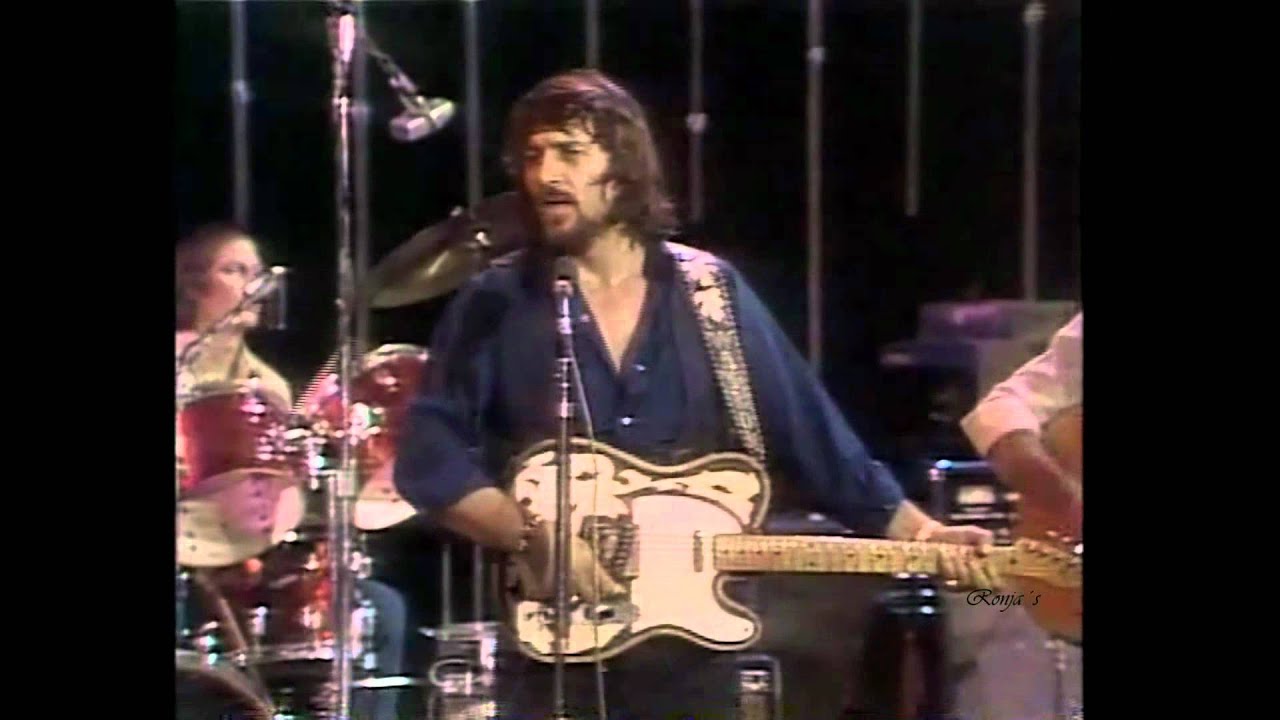
Waylon Jennings – This Time: A Deep Dive into a Timeless Classic
Waylon Jennings’ “This Time” is a song that has left an indelible mark on the music world. Released in 1974, this iconic track has been a staple of country music for decades, and its influence can still be felt today. With its unique blend of country, rock, and outlaw spirit, “This Time” has become a timeless classic that continues to inspire and captivate audiences around the world. In this article, we’ll delve into the history and significance of “This Time,” exploring its origins, composition, recording, and lasting impact on the music world.
The song’s impact on the music world cannot be overstated. “This Time” was a game-changer for Waylon Jennings, marking a turning point in his career and cementing his status as a country music legend. The song’s success can be attributed to its raw, unbridled energy, which captured the spirit of a generation and helped to define the outlaw country movement. With its rebellious attitude and unapologetic honesty, “This Time” resonated with fans who were looking for something real and authentic in their music.
As we explore the history and significance of “This Time,” it’s essential to consider the cultural and musical context in which it was created. The early 1970s were a time of great change and upheaval in the music world, with the rise of new genres and sub-genres, and the emergence of new artists and sounds. Waylon Jennings was at the forefront of this movement, and “This Time” was one of the key songs that helped to define the outlaw country sound.
Waylon Jennings: A Cornerstone of Music History
Waylon Jennings was a true original, a singer-songwriter and musician who defied categorization and pushed the boundaries of country music. Born in 1937 in Littlefield, Texas, Jennings grew up in a musical family and was exposed to a wide range of genres and styles from an early age. He began his career in the 1950s, playing bass for Buddy Holly and later forming his own band, The Waylors.
Jennings’ early success was marked by a string of hit singles, including “Only Daddy That’ll Walk the Line” and “The Chokin’ Kind.” However, it wasn’t until the early 1970s, with the release of albums like “Lonesome, On’ry and Mean” and “Honky Tonk Heroes,” that Jennings truly found his voice and style. These albums, which featured a mix of country, rock, and outlaw spirit, helped to establish Jennings as a major force in country music and paved the way for the success of “This Time.”
Throughout his career, Jennings was known for his rebellious attitude and his willingness to challenge the status quo. He was a key figure in the outlaw country movement, which sought to break away from the slick, polished sound of mainstream country and create a more raw, honest, and authentic style of music. Jennings’ music was characterized by its raw energy, its unapologetic honesty, and its unwavering commitment to the truth.
The Origin and Composition of “This Time”
“This Time” was written by Jennings and Billy Joe Shaver, a singer-songwriter and musician who was a key figure in the outlaw country movement. The song was recorded in 1974, at a time when Jennings was at the height of his creative powers and was looking to push the boundaries of country music even further.
The story behind “This Time” is one of creative experimentation and innovation. Jennings and Shaver were looking to create a song that would capture the spirit of the times, a song that would reflect the mood and attitude of a generation. They drew on their own experiences and observations, crafting a lyrics that were both deeply personal and universally relatable.
The composition of “This Time” is notable for its use of simple, yet effective, melodies and chord progressions. The song features a distinctive guitar riff, which was played by Jennings himself, and a driving rhythm section that propels the song forward. The lyrics are characterized by their raw honesty and emotional intensity, with Jennings delivering a vocal performance that is both heartfelt and haunting.
In the Studio: Recording and Production
The recording of “This Time” took place at the legendary RCA Studio B in Nashville, Tennessee. The studio, which was known for its warm and intimate sound, was the perfect setting for Jennings and his band to lay down the tracks for the song.
The recording session for “This Time” was marked by a sense of spontaneity and creativity. Jennings and his band, which included guitarist Billy Sanford, bassist Henry Strzelecki, and drummer Jerry Carrigan, worked quickly and efficiently, laying down the basic tracks for the song in just a few takes.
The production of “This Time” was handled by Ronny Light, a veteran producer who had worked with Jennings on several previous occasions. Light’s approach to production was characterized by its simplicity and restraint, with a focus on capturing the raw energy and emotion of the performance.
The vocal arrangements on “This Time” are notable for their simplicity and effectiveness. Jennings’ vocal performance is front and center, with a minimal amount of backing vocals and overdubs. The result is a sense of intimacy and immediacy, with Jennings’ voice sounding raw and unbridled.
Lyrical and Thematic Analysis
The lyrics of “This Time” are a key element of the song’s enduring appeal. The song’s themes of love, loss, and redemption are timeless and universal, and the lyrics are characterized by their raw honesty and emotional intensity.
The song’s opening lines, “I’ve been a wild and reckless man, with a reputation for being cold,” set the tone for the rest of the lyrics, which explore the highs and lows of a life lived on the edge. The song’s chorus, “This time, I’ll be loving you, this time, I’ll be true,” is a statement of intention and commitment, with Jennings pledging to change his ways and become a better man.
Throughout the song, Jennings’ lyrics are marked by their sense of vulnerability and introspection. He sings about the pain and regret of past mistakes, and the struggle to find redemption and forgiveness. The result is a sense of emotional depth and complexity, with Jennings’ lyrics offering a nuanced and multifaceted portrait of the human experience.
Musical Structure and Emotional Resonance
The musical structure of “This Time” is characterized by its simplicity and effectiveness. The song features a straightforward verse-chorus structure, with a memorable melody and a driving rhythm section.
The song’s melody is notable for its use of simple, yet effective, melodic motifs. The chorus, with its soaring vocal line and catchy guitar riff, is a particular highlight, and the song’s bridge, with its haunting vocal harmonies and atmospheric instrumentation, adds a sense of depth and texture to the song.
The emotional resonance of “This Time” is a key element of its enduring appeal. The song’s themes of love, loss, and redemption are timeless and universal, and the song’s lyrics and music work together to create a sense of emotional intensity and authenticity.
Jennings’ vocal performance is a major factor in the song’s emotional resonance. His voice is raw and unbridled, with a sense of vulnerability and introspection that adds depth and complexity to the lyrics. The result is a sense of emotional connection and intimacy, with Jennings’ voice sounding like it’s speaking directly to the listener.
Chart Performance and Global Reception
“This Time” was a major commercial success, reaching the top of the country charts and becoming one of Jennings’ signature songs. The song’s success was not limited to the United States, with the song also charting in several other countries, including Canada and Australia.
The song’s global reception was overwhelmingly positive, with critics and fans praising the song’s raw energy, emotional intensity, and timeless themes. The song has since become a classic of country music, with its influence extending far beyond the genre.
In the years since its release, “This Time” has been covered by numerous artists, including Johnny Cash, Willie Nelson, and Kris Kristofferson. The song has also been featured in several films and television shows, including the 1975 film “Nashville” and the 2013 television series “Nashville.”
Cultural Legacy and Enduring Impact
“This Time” has had a lasting impact on country music and beyond. The song’s influence can be heard in the work of numerous artists, including Steve Earle, Ryan Adams, and Chris Stapleton, and its themes of love, loss, and redemption continue to resonate with listeners around the world.
The song’s cultural legacy extends far beyond the music world, with “This Time” becoming a cultural touchstone and a symbol of the outlaw country movement. The song’s raw energy, emotional intensity, and timeless themes have made it a favorite among fans of all ages, and its influence can be seen in everything from fashion to film and literature.
In recent years, “This Time” has experienced a resurgence in popularity, with the song being featured in several films and television shows and being covered by numerous artists. The song’s enduring appeal is a testament to its timeless themes and its ability to connect with listeners on a deep and emotional level.
Conclusion: Why “This Time” Still Matters Today
“This Time” is a song that continues to matter today, a timeless classic that remains relevant and relatable in an ever-changing world. The song’s themes of love, loss, and redemption are universal and enduring, and its music and lyrics continue to inspire and captivate audiences around the world.
The song’s influence can be heard in the work of numerous artists, and its cultural legacy extends far beyond the music world. “This Time” is a song that has become a part of our shared cultural heritage, a symbol of the outlaw country movement and a reminder of the power of music to inspire and transform us.
In conclusion, “This Time” is a song that deserves to be celebrated and cherished. Its raw energy, emotional intensity, and timeless themes have made it a classic of country music, and its influence can be heard in everything from rock to pop to hip-hop. As we look to the future, it’s clear that “This Time” will continue to matter, a reminder of the power of music to connect us, to inspire us, and to transform us.
—